



Air Cooling vs. Water Cooling: Which is Right for Your Furnace Camera?
 Feb 28, 2026|
 View:35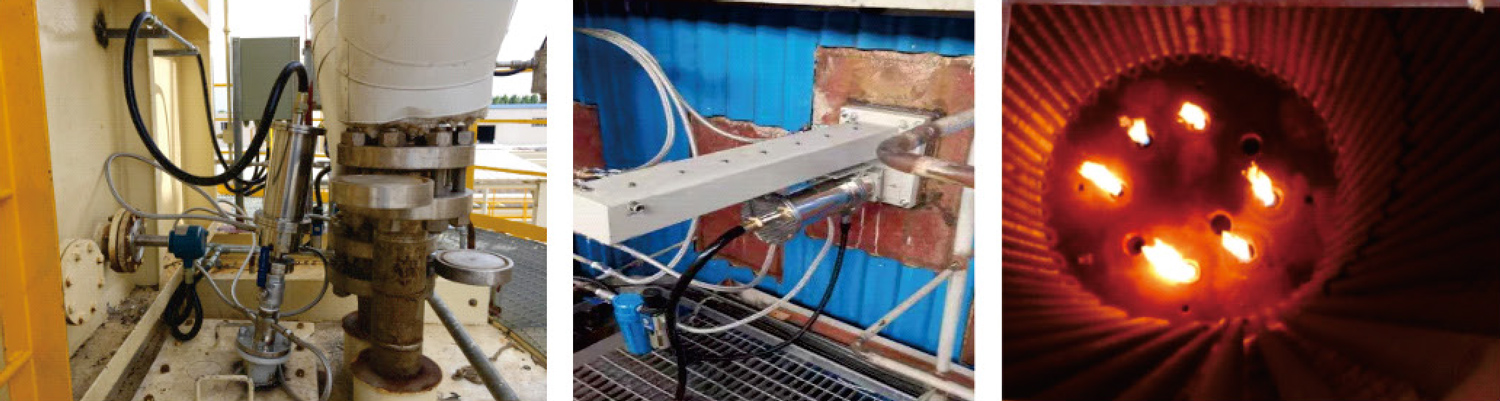
In high-temperature industrial environments, visibility is everything. Whether you’re operating a steel reheating furnace, cement kiln, boiler, or power plant incinerator, your Furnace Camera plays a critical role in safety, efficiency, and process optimization. But here’s the question many engineers and plant managers face:
Should you choose air cooling or water cooling for your Furnace Monitoring System?
Selecting the wrong cooling method can shorten equipment lifespan, increase maintenance costs, and even compromise operational safety. In this guide, we’ll break down the technical differences, practical advantages, and real-world applications of air-cooled and water-cooled furnace camera systems—so you can make the right decision for your operation.
Key Takeaways
Cooling is essential for protecting a Furnace Camera in high-temperature environments.
Air cooling is simpler, cost-effective, and ideal for moderate-temperature furnaces.
Water cooling provides superior heat resistance for ultra-high-temperature conditions.
System reliability, maintenance access, and operating environment should guide your decision.
A properly designed Furnace Monitoring System improves safety, efficiency, and process control.
Why Cooling Matters for a Furnace Camera
Industrial furnaces often operate between 800°C and 1800°C. No standard imaging device can survive these conditions without protection. A professionalFurnace Monitoring System uses specialized cooling jackets, insulation layers, and protective housings to ensure:
Stable internal operating temperature
Clear image transmission
Long equipment lifespan
Continuous process visibility
Without effective cooling, internal electronics overheat, lenses distort, and downtime increases. The choice between air cooling and water cooling directly affects system performance and reliability.
Understanding Air Cooling Systems
How Air Cooling Works
Air cooling systems use compressed air to circulate around the protective housing of the Furnace Camera. The airflow removes heat through convection, maintaining safe internal temperatures.
Advantages of Air Cooling
| Advantage | Explanation |
|---|---|
| Simple Installation | Requires only compressed air supply |
| Lower Initial Cost | No water piping or circulation systems |
| Easy Maintenance | Fewer components and no leakage risk |
| Cleaner Operation | No scale buildup or corrosion |
Best Applications for Air Cooling
Air-cooled Furnace Monitoring Systems are typically suitable when:
Furnace temperature is moderate (below 1200°C in camera zone)
Compressed air is already available
Water supply is limited or undesirable
Maintenance access is frequent
Limitations of Air Cooling
Cooling capacity depends on air pressure and volume
Less effective in extreme high-temperature zones
Requires continuous air supply to avoid overheating
Air cooling is often chosen for applications where simplicity and cost control are priorities.
Understanding Water Cooling Systems
How Water Cooling Works
Water cooling systems circulate cooling water around the camera housing through a sealed jacket. Water absorbs heat more efficiently than air due to higher thermal conductivity and heat capacity.
Advantages of Water Cooling
| Advantage | Explanation |
|---|---|
| Superior Heat Removal | Handles extreme furnace temperatures |
| Stable Performance | Less affected by ambient temperature |
| Longer Service Life | Reduced thermal stress on components |
| Ideal for Harsh Environments | Suitable for steel and cement kilns |
Best Applications for Water Cooling
Water-cooled Furnace Camera systems are recommended when:
Furnace temperatures exceed 1200°C
Continuous high-temperature exposure occurs
Critical monitoring is required for safety
Industrial scale operations demand maximum durability
Limitations of Water Cooling
Requires water supply and drainage system
Potential risk of leakage
More complex installation
Higher initial investment
Air Cooling vs. Water Cooling: Direct Comparison
| Feature | Air Cooling | Water Cooling |
|---|---|---|
| Heat Removal Efficiency | Moderate | High |
| Installation Complexity | Low | Medium to High |
| Operating Cost | Low | Moderate |
| Maintenance Requirement | Minimal | Regular inspection required |
| Suitable Temperature Range | Up to ~1200°C | Up to 1800°C+ |
| Risk of Leakage | None | Possible if not maintained |
How to Choose the Right Cooling Method
1. Evaluate Furnace Temperature
Start with actual temperature measurement at the camera installation point—not the furnace core temperature.
Under 1200°C → Air cooling may be sufficient.
Above 1200°C → Water cooling is recommended.
2. Consider Infrastructure Availability
Does your facility already have reliable compressed air, industrial cooling water supply, or drainage system? If water systems are complex or unavailable, air cooling simplifies deployment.
3. Assess Risk Level and Criticality
In applications such as steel smelting or hazardous waste incineration, monitoring is safety-critical. In such cases, water cooling provides extra reliability.
4. Maintenance Capabilities
Plants with limited maintenance staff may prefer air-cooled Furnace Monitoring Systems due to lower servicing requirements.
Performance Impact on Furnace Monitoring System
A properly cooled Furnace Camera improves flame observation accuracy, material movement tracking, burner alignment monitoring, clinker or slag detection, and overheating prevention. The cooling method ensures stable imaging sensors operate within safe temperature thresholds.
Energy Efficiency Considerations
Air cooling consumes compressed air continuously, which can increase energy costs. Water cooling consumes pump energy but may provide better thermal efficiency in extreme environments. Operational cost analysis should consider compressor power usage, pump energy, downtime risk, and maintenance labor.
Safety and Reliability Factors
Safety is paramount. A failed Furnace Monitoring System can result in process inefficiencies, equipment damage, safety hazards, and production downtime. Water cooling offers higher safety margins for extreme heat. However, air cooling eliminates leakage risks that could affect furnace integrity.
Industry Applications
Steel Plants: High radiant heat and continuous operation favor water cooling.
Cement Kilns: Rotary kilns often require water-cooled Furnace Camera systems for durability.
Power Plants: Both air and water cooling are used depending on boiler configuration.
Waste Incineration: Monitoring combustion efficiency may require water cooling for stability.
Why System Design Matters More Than Cooling Alone
Cooling method is just one component. A complete Furnace Monitoring System should also include high-temperature resistant housing, protective sapphire or quartz window, automatic lens cleaning device, shock-resistant mounting structure, and reliable signal transmission system. Integration quality determines long-term reliability.
Cost Considerations: Initial vs. Lifetime Investment
| Cost Type | Air Cooling | Water Cooling |
|---|---|---|
| Initial Cost | Lower | Higher |
| Maintenance Cost | Lower | Moderate |
| Durability | Moderate | High |
How Changzhou Lu Ming Supports Your Decision
At Changzhou Lu Ming, we specialize in high-temperature Furnace Camera and Furnace Monitoring System solutions. Our furnace wall high-temperature industrial TV systems are engineered with optimized cooling jackets, high-temperature optical protection, durable structural design, and custom configuration based on furnace conditions. This ensures your cooling choice—air or water—is aligned with operational reality.
Common Mistakes to Avoid
Choosing based only on initial cost
Ignoring actual temperature measurement
Underestimating maintenance requirements
Overlooking installation complexity
Failing to consider long-term energy cost
Final Recommendation Framework
If your furnace operates in moderate temperatures and simplicity is your priority → Air Cooling.
If your furnace faces extreme heat and continuous exposure → Water Cooling.
If unsure → Conduct a professional assessment before deployment.
FAQ: Air Cooling vs. Water Cooling for Furnace Camera
1. Which cooling method lasts longer?
Water cooling generally offers longer service life in extreme high-temperature environments.
2. Is air cooling enough for steel furnaces?
For high-temperature steel furnaces, water cooling is usually recommended for stable performance.
3. Does water cooling increase maintenance?
Yes, periodic inspection of water flow and seals is required.
4. Can a system switch between air and water?
Some systems allow configuration changes, but this depends on housing design.
5. Which option is more energy efficient?
Evaluation should consider your facility’s specific energy costs for compressors vs. pumps.
6. What happens if cooling fails?
The camera may overheat, causing image distortion and equipment damage.
Conclusion
Choosing between air cooling and water cooling is not just a technical decision—it’s a strategic operational choice. By understanding furnace temperature, infrastructure conditions, and performance requirements,you can select the right cooling method for your Furnace Monitoring System. With professional guidance from experienced manufacturers like Changzhou Lu Ming, your Furnace Camera can deliver consistent, high-quality monitoring—even in the most demanding industrial environments.
Recommended Products
Great Cooler Blanking Camera System for High Temperature Furnaces
Kiln Head High Temperature Flame Monitoring System
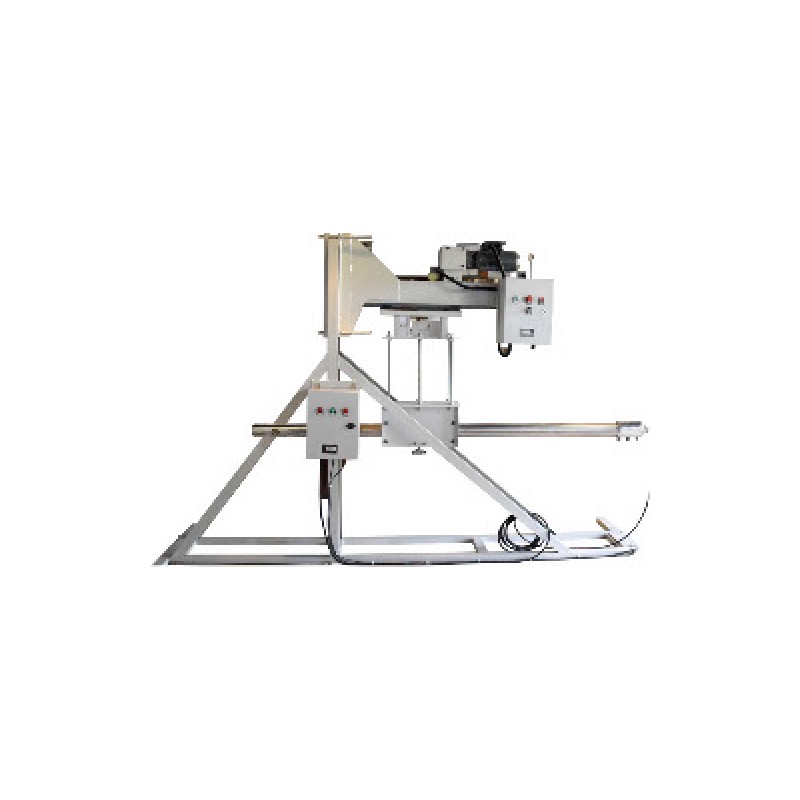
Tin Slot Endoscope High Temperature Industrial Television
Card Neck Water Bag Water Level Monitoring System
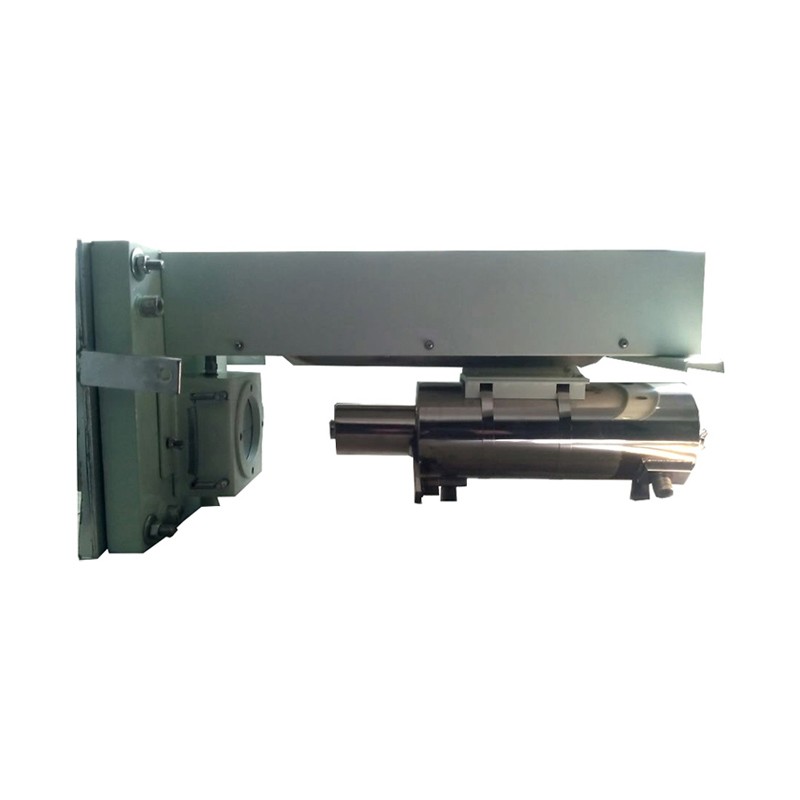
High-Temp Furnace Monitoring Camera | Auto-Retraction Industrial TV System
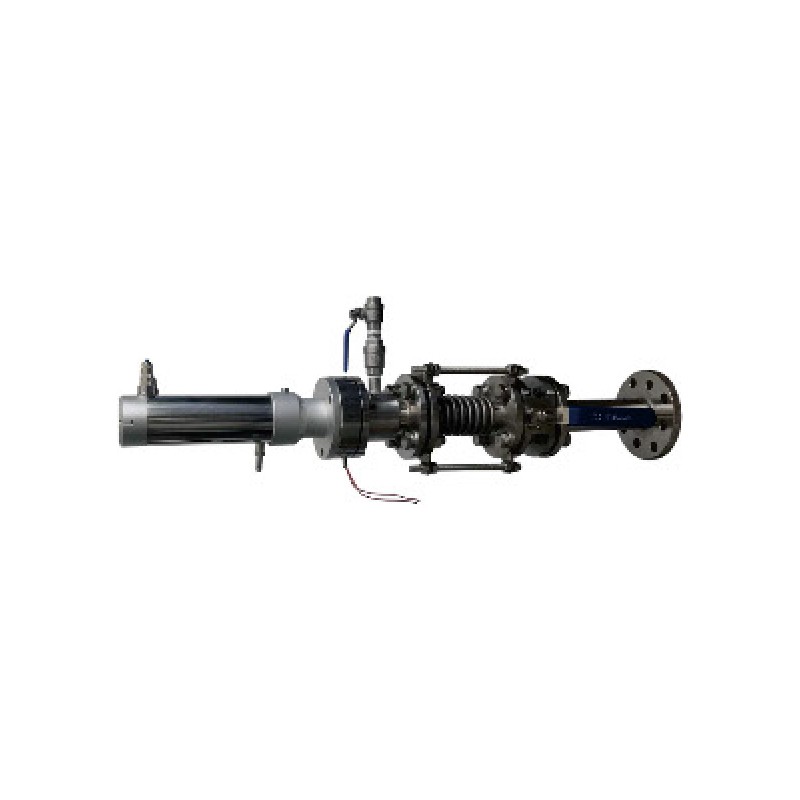
CCTV Camera Infrared Temperature Measurement System for Hot Blast Furnace Vault
Vacuum Electric Furnace High Temperature Camera
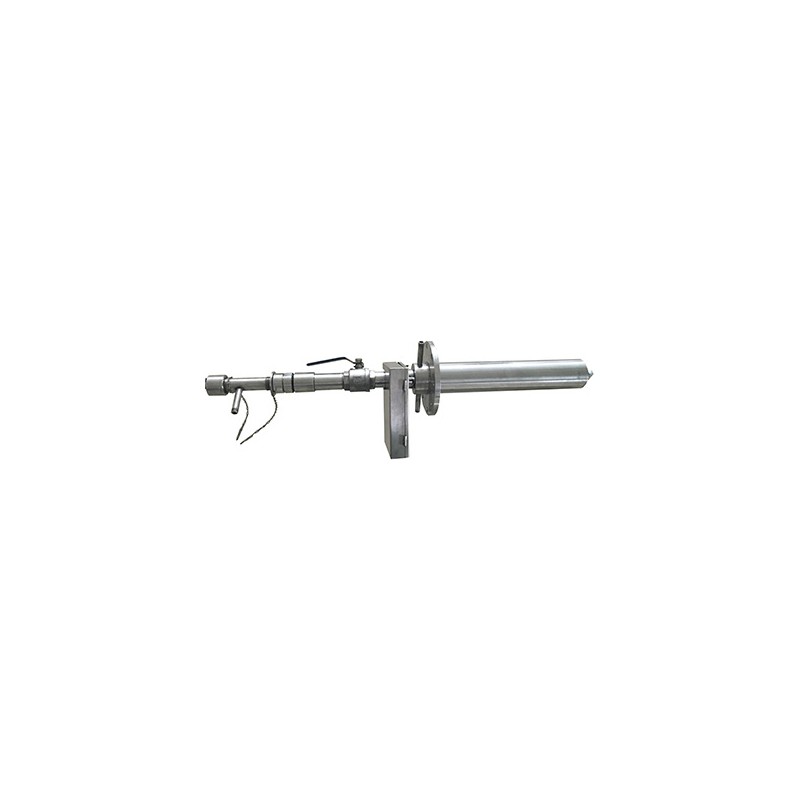
Blast Furnace Top Thermal Imaging System for steel industry
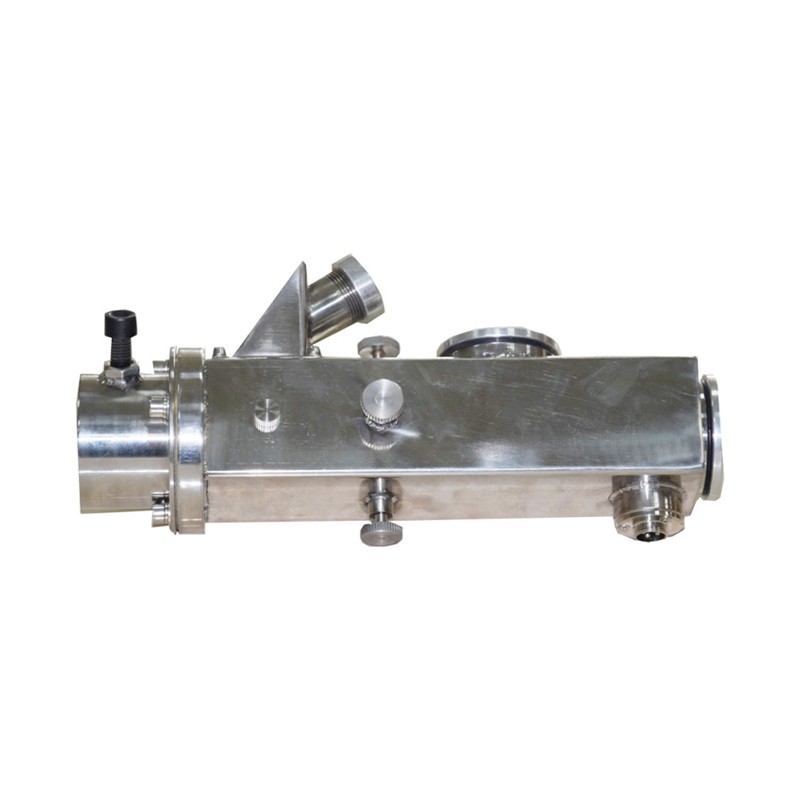
Blast Furnace Tuyere Imaging System for Video Monitoring
Recent News
1.What Are Furnace Cameras and How Do They Work
2025-12-102.how furnace cameras monitor high-temperature industrial processes
2025-12-053.What Is an Explosion-Proof Camera?Complete Guide for 2025
2025-11-214.Can You Put a Camera in a Kiln? The Complete Guide to Cement Rotary Kiln Monitoring
2025-08-195.Advanced Solutions for Kiln Refractory Monitoring System
2025-08-196.Industrial video cameras for the most hazardous environments
2025-08-19