



Top 10 Best Industrial Uses for Explosion Proof Cameras
 Dec 17, 2025|
 View:480
In high-risk industrial environments, visibility is not just about efficiency—it is about safety, compliance, and risk prevention. This is where explosion-proof security cameras and specialized monitoring systems become indispensable. Designed to operate safely in hazardous locations where flammable gases, vapors, dust, or fibers are present, these units are engineered to prevent ignition while delivering reliable, high-quality surveillance.
From oil refineries to pharmaceutical plants, such devices act as silent guardians, providing real-time monitoring, incident documentation, and operational transparency. In this in-depth guide, we explore the top 10 best industrial applications for these critical systems, explaining why each sector relies on them and how they contribute to safer, smarter operations.
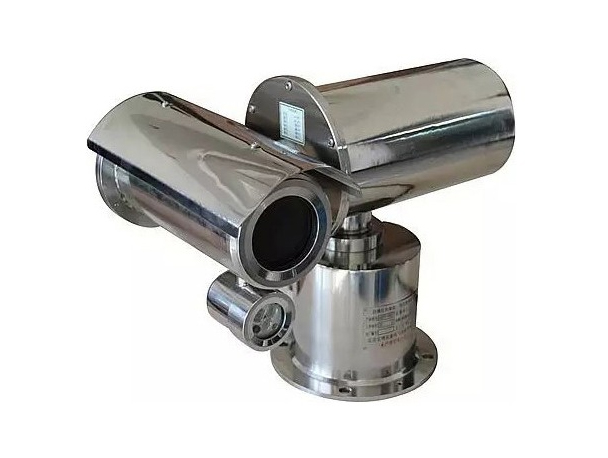
Understanding Hazardous Area Cameras in Industrial Environments
These specialized surveillance devices are purpose-built with reinforced enclosures capable of withstanding internal explosions without igniting the surrounding atmosphere. Unlike standard CCTV systems, an explosion-proof security camera is certified under stringent international standards such as ATEX, IECEx, UL, and CSA.
Commonly deployed in Zone 1, Zone 2, Class I Division 1, and Class II hazardous locations, they support HD and 4K imaging, thermal vision, and intelligent analytics, making them suitable for both safety oversight and process monitoring.
Why Industrial Facilities Depend on Explosion-Proof Surveillance
Industries dealing with volatile substances face constant operational risks. EX-certified monitoring systems help mitigate these threats by:
Providing continuous visual oversight in classified hazardous zones
Reducing the need for human presence in dangerous areas
Supporting regulatory compliance and safety audits
Detecting leaks, overheating, or abnormal behavior early
Recording incidents for investigation and liability protection
With this foundation in mind, let’s examine the most impactful industrial applications.
1. Oil and Gas Refineries
Oil and gas facilities are the most prominent users of explosion-proof single barrel cameras and related monitoring gear. Refineries, drilling platforms, and processing plants handle highly flammable hydrocarbons, making conventional electronics strictly prohibited.
These units are typically installed near crude distillation units, storage tank farms, pipeline corridors, and offshore platforms. They enable operators to remotely monitor pressure gauges, valve positions, flare stacks, and personnel movement without entering the blast zone. By delivering real-time visuals, they help prevent catastrophic incidents and improve overall operational control.
2. Chemical Manufacturing Plants
Chemical plants process volatile substances, corrosive compounds, and reactive materials. Even a minor static spark can trigger a major accident, making continuous visual monitoring essential.
Such cameras are commonly positioned in reactor areas, mixing zones, solvent storage rooms, and loading docks. They help identify leaks, spills, and abnormal reactions before they escalate. Additionally, they support quality assurance by visually tracking production processes, ensuring consistency and adherence to strict safety protocols.
3. Mining Operations
Mining environments are filled with combustible dust, methane gas, and confined spaces. Underground mines, in particular, are classified as high-risk zones requiring certified equipment with advanced low-light capabilities.
To address these challenges, facilities often deploy an explosion-proof infrared camera with IR in tunnels, conveyor systems, and extraction points. This allows operators to monitor machinery performance, detect early signs of fire or gas buildup, and ensure worker safety in pitch-black conditions without constant physical inspections.
4. Power Generation Facilities
Power plants—especially coal-fired, gas-fired, and nuclear facilities—rely heavily on ruggedized surveillance. These environments involve extreme temperatures, pressurized steam systems, and combustible fuels.
Monitoring systems are installed near turbines, boilers, fuel handling areas, and electrical switchyards to detect overheating, equipment malfunctions, and unauthorized access. In renewable energy sectors such as hydrogen power plants, these devices are becoming even more critical due to the highly flammable nature of hydrogen gas.
5. Pharmaceutical Manufacturing
Pharmaceutical facilities may not appear dangerous at first glance, but many processes involve alcohol-based solvents, fine combustible powders, and pressurized systems that create hidden explosion risks.
Specialized cameras are used in cleanrooms, solvent storage areas, granulation rooms, and coating processes. They provide visual documentation for regulatory compliance while ensuring that the monitoring equipment itself does not compromise the sterile or safe environment. This allows companies to maintain strict GMP standards without exposing workers to unnecessary risks.
6. Food and Beverage Processing Plants
In food processing environments, dust explosions are a serious concern—especially in facilities handling flour, sugar, starch, or powdered milk. These organic particles can ignite rapidly under the right conditions.
EX-rated cameras are installed in silos, milling areas, spray dryers, and packaging lines. They help monitor material flow, detect blockages, and ensure hygiene standards are maintained. By utilizing these systems, food manufacturers can prevent dust-related explosions while improving operational efficiency and product quality.
7. Paint, Coating, and Solvent Production Facilities
Paint and coating plants work with volatile organic compounds (VOCs), solvents, and flammable vapors. In such environments, even static electricity from standard equipment can pose a significant threat.
Hazardous area cameras are used in mixing rooms, spray booths, storage tanks, and filling stations to enable real-time observation of production processes. They also play a critical role in incident investigation, helping companies analyze root causes and prevent future accidents in highly volatile zones.
8. Wastewater Treatment and Biogas Plants
Wastewater treatment facilities generate methane, hydrogen sulfide, and other combustible gases during the treatment process. Biogas plants, in particular, are strictly classified as hazardous areas.
To manage these risks, plants integrate an explosion-proof infrared network integrated camera in digester tanks, gas storage units, and pump rooms. This networked solution provides continuous, centralized monitoring without risking ignition, allowing operators to ensure safe gas handling and detect leaks early.
9. Aerospace and Defense Manufacturing
Aerospace and defense facilities handle specialized fuels, explosives, propellants, and sensitive materials. Safety and physical security are non-negotiable in these environments.
Robust surveillance units are installed in fuel testing areas, missile assembly zones, and ammunition storage facilities. They provide secure, tamper-resistant monitoring while complying with strict military and industrial standards, also supporting access control and perimeter security in high-value zones.
10. Grain Storage and Agricultural Processing Facilities
Grain elevators and agricultural processing plants are highly susceptible to devastating dust explosions. Fine organic dust particles suspended in the air can ignite from a tiny spark.
Monitoring devices are strategically placed in silos, conveyors, drying systems, and loading areas. They allow operators to monitor dust accumulation, equipment wear, and material flow. With these systems in place, agricultural facilities can significantly reduce fire hazards while improving productivity and safety compliance.
Key Features That Make Explosion-Proof Cameras Ideal for Industrial Use
Modern hazardous area cameras are not just rugged—they are highly intelligent. For instance, advanced facilities are now adopting blast-proof infrared intelligent cameras to leverage AI-driven analytics. Key features across these product lines include:
Flameproof and corrosion-resistant stainless steel housings
Comprehensive ATEX, IECEx, and UL certifications
High-definition optical and thermal imaging options
Wide operating temperature ranges for extreme climates
IP66/IP68 weatherproof and washdown ratings
Seamless integration with SCADA and industrial control systems
These capabilities ensure that such devices perform reliably in both indoor and outdoor industrial applications.
Explosion-Proof Cameras vs. Standard Industrial Cameras
Unlike standard commercial cameras, explosion-proof units are specifically designed to contain sparks, heat, or internal explosions within their housing. Using non-certified equipment in classified areas can lead to severe regulatory violations, voided insurance policies, and catastrophic accidents.
Ultimately, investing in certified hazardous area surveillance is an investment in long-term safety, legal compliance, and operational resilience.
How These Systems Improve Compliance and Audits
Many heavy industries are governed by strict safety regulations (such as OSHA, ATEX directives, and NEC). Deploying certified cameras helps companies:
Demonstrate proactive compliance during safety inspections
Maintain accurate, tamper-evident visual records
Support thorough incident investigations
Qualify for reduced insurance premiums
Regulators increasingly expect robust visual monitoring solutions in hazardous environments, making these systems a strategic necessity rather than just an operational expense.
Future Trends in Hazardous Area Camera Technology
The future of industrial surveillance is driven by rapid innovation. Emerging trends include AI-powered video analytics, predictive maintenance alerts, edge computing, and deep integration with Industrial IoT (IIoT) platforms.
Smart monitoring systems will not only detect hazards but also predict equipment failures, optimize workflows, and enhance decision-making across complex industrial operations.
Choosing the Right Camera for Your Industry
Selecting the optimal surveillance solution depends on several critical factors:
Specific hazardous area classification (Zone/Division)
Ambient environmental conditions and temperature extremes
Required resolution, lens type, and field of view
Compatibility and integration with existing control systems
Required international compliance standards
Working with experienced manufacturers ensures that your chosen equipment meets both technical specifications and rigorous regulatory requirements.
Final Thoughts on Industrial Applications
Across all heavy industries, safety and visibility go hand in hand. The top 10 applications outlined above demonstrate how critical these devices are in protecting people, assets, and continuous operations.
From oil refineries to food processing plants, explosion-proof security cameras provide peace of mind in the most dangerous environments. As industrial risks continue to evolve, the role of advanced monitoring systems will only grow stronger, making them an essential component of modern industrial infrastructure.
By investing in the right hazardous area camera solutions, industries can operate smarter, safer, and more confidently in even the most challenging conditions.
Ready to Upgrade Your Facility's Safety?
Don't compromise on safety and compliance in hazardous environments. Whether you need a basic monitoring unit or a comprehensive networked system, our team of experts is ready to help you find the perfect explosion-proof camera solution tailored to your specific industry needs. Contact us today for professional advice, technical support, or a customized quote!
Recommended Products
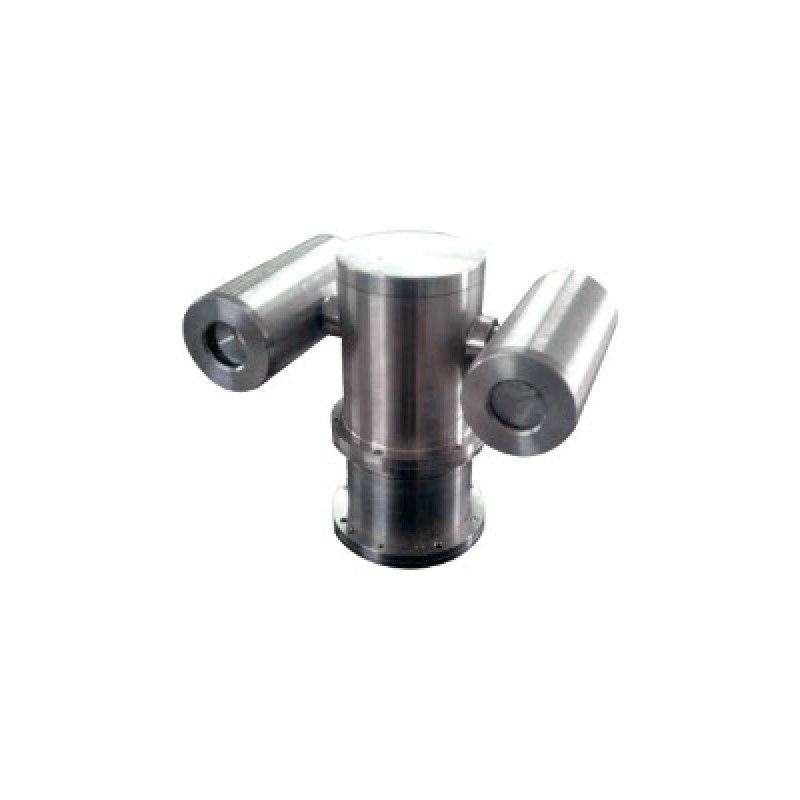
Integrated Explosion Proof Security Camera Systems for Hazardous Areas
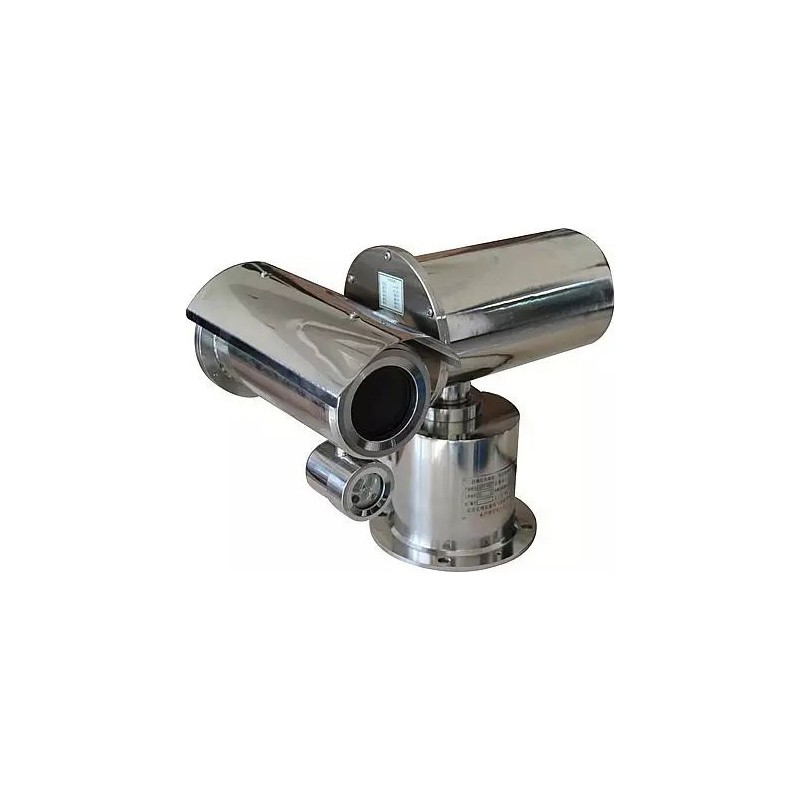
Explosion proof CCTV Camera丨Integrated Infrared Network Series
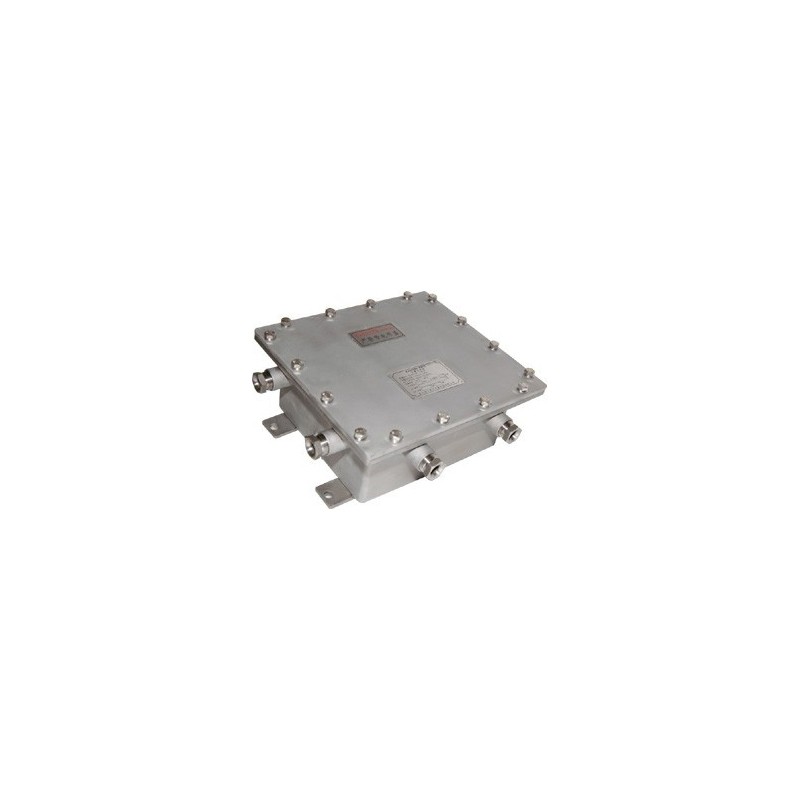
Stainless Steel Blast-Proof Control Cabinet
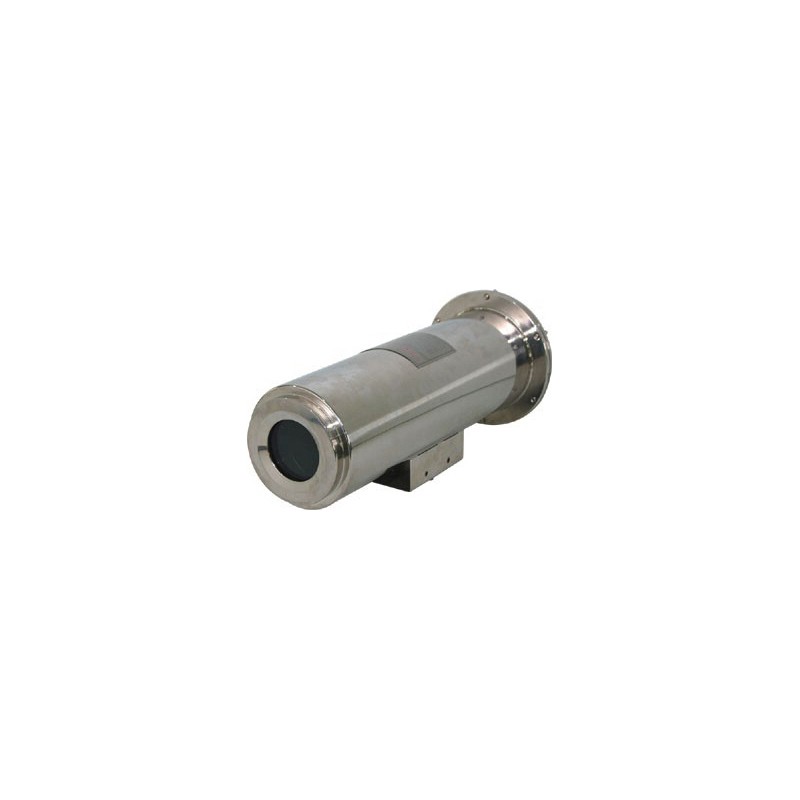
Explosion proof camera housing
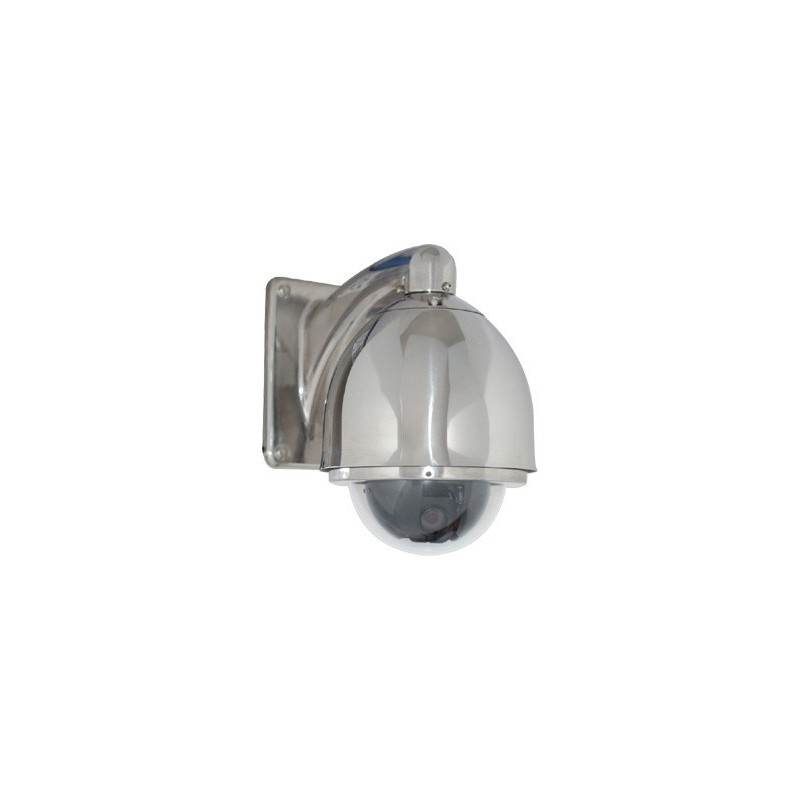
High-Speed Explosion Proof Dome Camera (PTZ Series)
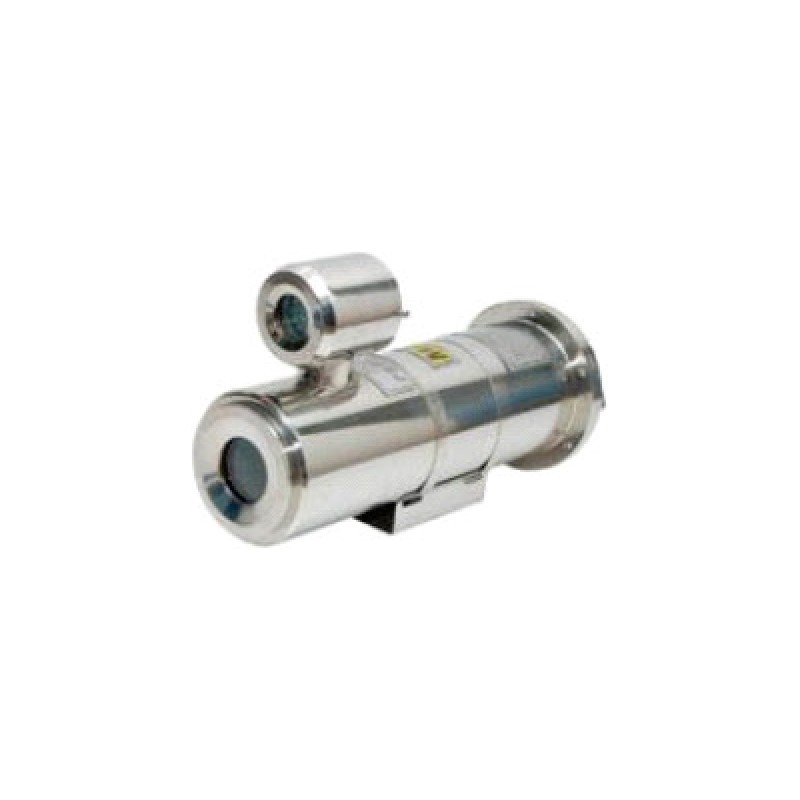
Explosion-proof Infrared Camera | Hazardous area security camera
Single Barrel Explosion-Proof Surveillance Camera
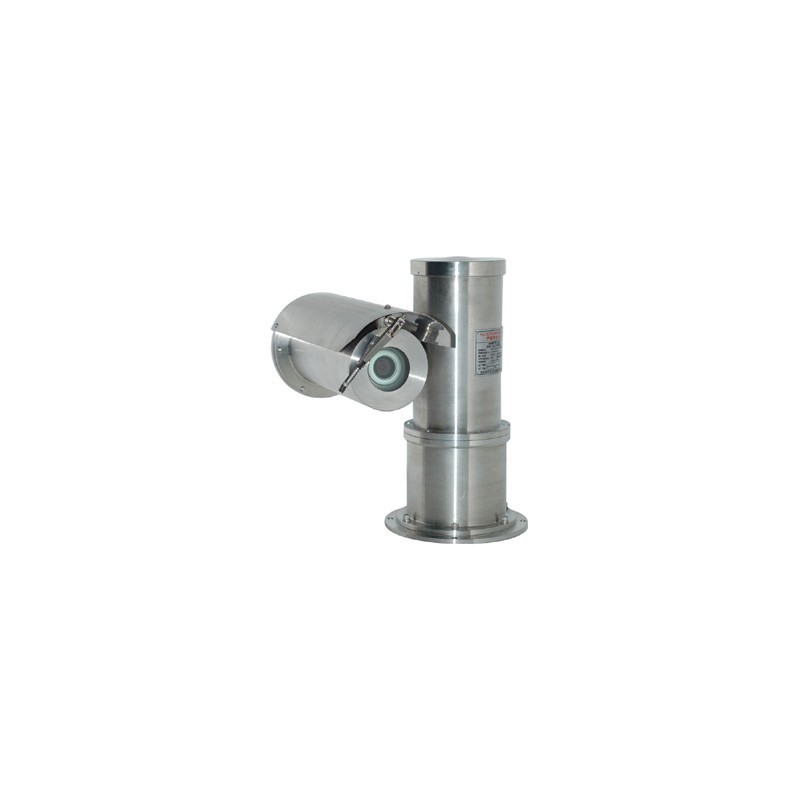
EX IR Series丨Industrial Explosion Proof IP Camera
Recent News
1.Industrial video cameras for the most hazardous environments
2025-08-192.Can You Put a Camera in a Kiln? The Complete Guide to Cement Rotary Kiln Monitoring
2025-08-193.Advanced Solutions for Kiln Refractory Monitoring System
2025-08-194.High Temperature Cameras for Furnaces and Industrial Applications
2025-11-105.how furnace cameras monitor high-temperature industrial processes
2025-12-056.What Are Furnace Cameras and How Do They Work
2025-12-10