



how furnace cameras monitor high-temperature industrial processes
 Dec 05, 2025|
 View:45
You use a furnace camera to watch what happens inside hot furnaces. This technology shows you thermal images right away. You can see and control things during manufacturing. In cement plants, a high temperature furnace camera makes work safer and faster. Workers have fewer accidents. Managers make better choices because they watch things all the time. The table below explains how these cameras help your plant:
Benefit | How It Helps |
|---|---|
Real-time alerts help lower accident rates in factories. | |
Enhanced Safety Culture | Watching all the time helps workers think more about safety. |
Data-Driven Decision Making | Managers use camera data to make better safety rules and use resources well. |
Increased Operational Efficiency | Automation lets staff focus more on training and planning. |
Key Takeaways
Furnace cameras show live heat pictures. They help people watch hot processes safely and quickly. Using these cameras helps stop accidents. People can watch all the time and spot problems early. Furnace cameras help managers make good choices. The data helps them make better safety rules and use resources well. The technology lets people check things from far away. This saves time and means fewer people need to check by hand. It also lowers work costs. Special features like dual-wave infrared technology help people see through dust and fire. This makes sure monitoring works well in tough places.
furnace camera basics
definition and main purpose
A furnace camera helps you look inside furnaces without opening them. It takes thermal images even when it is very hot. The main reason to use a furnace camera is to watch the temperature and the furnace’s condition right away. This keeps the process safe and helps things run well.
You can use a furnace camera for these jobs:
Watch the temperature and make sure it is safe.
Check burners to see if they need cleaning or fixing.
Make production better by learning how heat moves and where you can save energy.
A furnace camera is special because it works in very hot places. Some cameras can work at 1600°C at the front of the water-cooled jacket. You also get clear thermal images and smart software to help you see details.
Specification Type | Details |
|---|---|
Max. Temperature | 1600°C at front, 80°C outer wall |
Imaging Modes | Visual and Near Infrared (NIR) |
NIR Resolution | Up to 5 Mpixel |
Cooling System | Water-cooled jacket |
Data Transfer | Industry 4.0 ready |
role in industrial monitoring
A furnace camera lets you watch your process all the time. It gives you a live thermal image, so you can find problems early. In steel, glass, and cement plants, you need to look for material build-up and changes in temperature. A furnace camera helps you do this from far away.
A furnace camera does more than a regular camera. It shows heat patterns and lets you check temperature right away. You can connect it to your plant’s control system for better automation. This helps you act fast if something goes wrong.
Feature | Furnace Camera | Visual Camera |
|---|---|---|
Thermal Imaging | Yes | No |
Real-Time Monitoring | Yes | Limited |
Durability | High (for harsh areas) | Lower |
Temperature Reading | Yes | No |
Tip: A furnace camera helps you stop shutdowns and keeps your team safe. You can watch the process without getting close to the heat.
high temperature furnace camera technology
thermal imaging and infrared systems
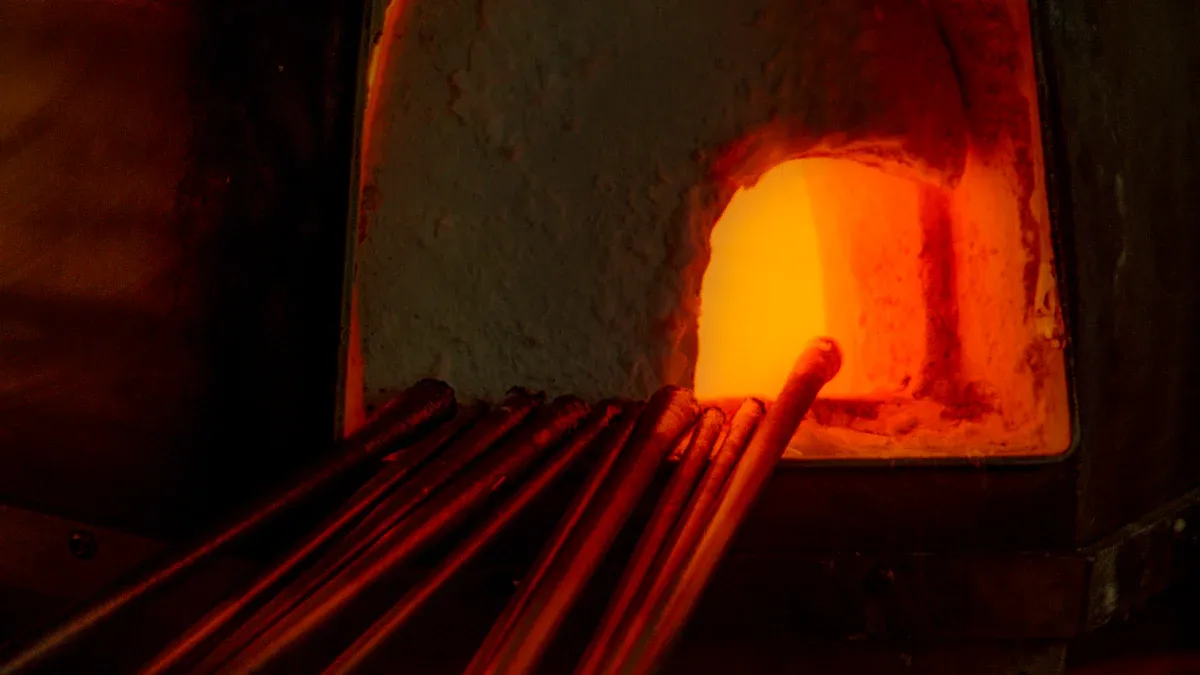
You need to look inside a furnace without opening it. A high temperature furnace camera helps you do this job. It uses special thermal imaging and infrared systems. These systems let you watch heat and flames as they happen. You can find problems before they get worse.
A high temperature furnace camera uses dual-wave infrared technology. This lets you see through dust and smoke. You get a clear picture even when there are lots of particles. The camera works at very high temperatures, from 600 to 1800 °C. You can pick the temperature range that fits your process.
Here is a table that shows the main features of thermal imaging and infrared systems:
Feature | Details |
|---|---|
High-Temperature Range | 600 to 1800 °C / 1112 to 3272 °F |
Temperature Range Options | 600 - 1000 °C / 1112 - 1832 °F |
800 - 1400 °C / 1472 - 2552 °F | |
1000 - 1800 °C / 1832 - 3272 °F | |
Spectral Response | 1 μm |
Pixel Resolution | 656 x 492 pixels / 1968 x 1476 pixels |
Frame Rate | 30 Hz / 15 Hz |
Optics (FOV) | 44° x 32°, 95° x 71° |
Monitoring Capability | 24/7 continuous monitoring |
Accuracy | Better than +/- 1% temperature reading |
Advanced Image Processing | IMAGEViewer and IMAGEPro utilities |
Reliability | Designed for harsh conditions |
Background Compensation | Corrects background reflection |
These systems give you better control. You can measure temperature at many spots. You see the whole furnace, not just one area. This helps you find problems early and keep things running well.
Note: Advanced imaging systems let you see through flames and gases. You get a clear view inside, which is hard with older ways.
Changzhou Luming Optoelectronics Technology Co., Ltd. makes high temperature furnace cameras with these features. Their cameras help you watch cement kilns and other hot places. You get real-time data and early warnings.
cooling and protective features
A high temperature furnace camera faces lots of heat, dust, and shaking. You need strong cooling and protection to keep it working. Water-cooled housings protect the camera from melting or breaking. The cooling system uses water to keep the camera safe. Pressurized air keeps dust and dirt off the lens.
Here are some ways cooling and protection help your camera:
Water-cooled housing lets the camera work in places like blast furnaces and cement kilns.
Stainless steel housing keeps the camera safe from heat and mechanical stress.
Purge air stops dust from sticking to the lens.
Detachable heat shields reflect heat away from the camera and operator.
Built-in flame filters let you see through flames and measure temperature behind them.
You can see the latest advancements in cooling and protection in this table:
Feature | Description |
|---|---|
Integrated Cooling Systems | Extend operational lifespan and reliability of furnace cameras. |
Built-in Flame Filter | Enables visibility through flames and accurate temperature measurement behind them. |
Detachable Heat Shield | Reflects heat away from the camera and operator, enhancing protection in high-temperature settings. |
A high temperature furnace camera from Changzhou Luming Optoelectronics Technology Co., Ltd. uses these features. You get a camera that works all day, every day, even in tough places. The camera can handle quick temperature changes, rough dust, and chemical vapors. You do not need to worry about damage or downtime.
Tip: If you use a thermal imaging device with strong cooling and protection, you keep your process safe and your camera working longer.
monitoring functions and process control
visual inspection and flame analysis
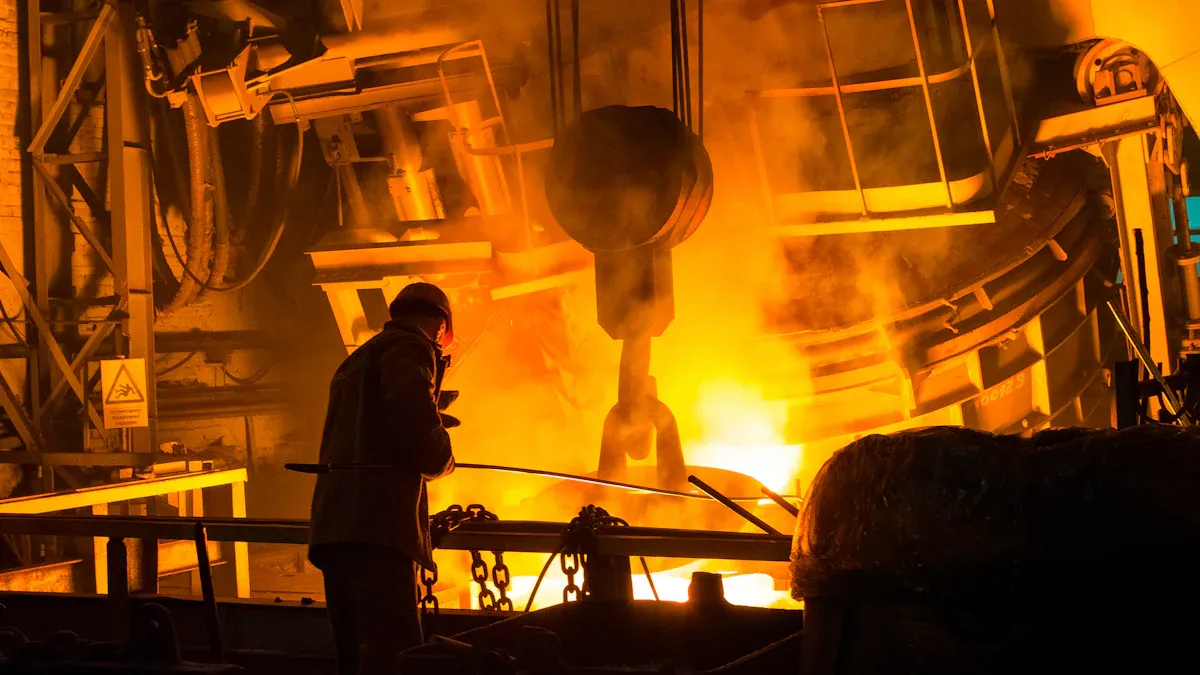
Furnace cameras let you look inside furnaces without opening them. You can see flames, hot spots, and changes right away. These cameras help you find cracks and blockages early. This keeps your team safe and helps you fix problems before they get worse. You save money because you do not need as many manual checks.
Here are some ways visual inspection and flame analysis help:
You find cracks and blockages early.
Workers stay safer because they do not touch dangerous parts.
You save money by fixing things before they break.
Furnace maintenance gets easier and faster.
Tubes last longer when you find problems early.
You use less fuel and make less CO2.
Fewer manual checks mean lower labor costs and better safety.
You can spot hot spots and see if tubes move.
You watch the furnace from far away and plan repairs better.
Watching flames helps you start up the furnace safely.
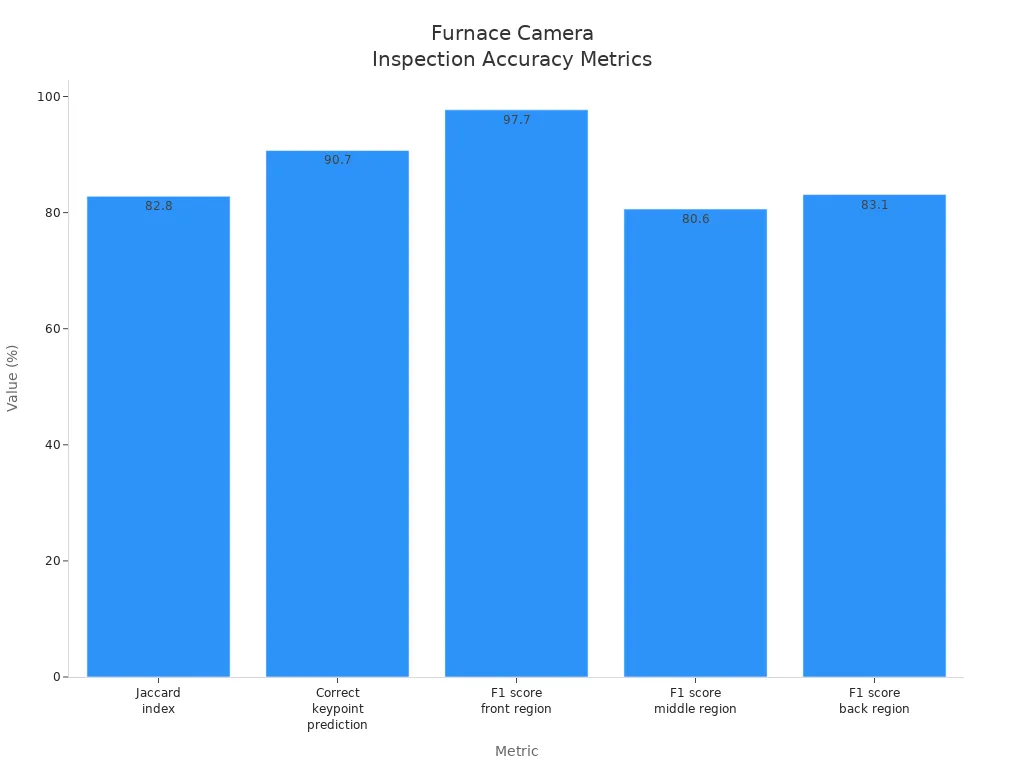
The table below shows how well furnace cameras work:
Metric | Value |
|---|---|
Jaccard index | 82.8% |
Correct keypoint prediction | 90.7% |
F1 score (front region) | 97.7% |
F1 score (middle region) | 80.6% |
F1 score (back region) | 83.1% |
You use monitoring to watch flame patterns and find problems. This helps you stop temperature spikes and keeps your process safe.
temperature measurement and automation
Furnace cameras show you the temperature in real time. You can see changes and control the process better. Monitoring helps you find problems before they cause trouble. Automated systems help you fix things fast and keep everything working well.
This table shows how furnace cameras help with temperature and automation:
Feature | Description |
|---|---|
Real-time Monitoring | You can watch inside hot furnaces right away. |
Temperature Uniformity | Cameras help keep the temperature even. |
Process Abnormalities | You find problems before they get worse. |
Cycle Time Reduction | You finish jobs faster and make better products. |
Data Recording | Cameras save data to help you improve. |
Flexibility | |
Web Browser Enabled | You can check the camera from a web browser. |
Integration | Cameras work with other video systems. |
Real-time Video | You get color video to help control the process. |
Application | You can use cameras in boilers, furnaces, and kilns. |
User Accessibility | Anyone can use the camera with a web browser. |
You use monitoring to check how heat spreads across materials. You control burning and look for hot spots on the walls. You measure how hot the melted material is and connect cameras to automatic systems. The data helps you make products the same every time and stop problems.
Tip: Automated systems help you find and fix problems fast. This keeps your process safe and running well.
benefits and industry applications
safety and efficiency gains
Furnace cameras make your plant safer and more efficient. These cameras let you watch hot areas without putting workers in danger. You can find problems early and fix them before they get worse. This keeps your team safe and helps everything run well.
Real-time monitoring lowers the chance of accidents in risky places.
Early warning systems show temperature changes and flames right away. You can act fast to stop fires or explosions.
Finding faults early saves money. Predictive maintenance helps you avoid expensive shutdowns and repairs.
Cameras help you follow safety rules and keep the plant clean. You can control emissions and meet environmental standards.
Keeping the temperature steady uses less fuel and makes things more efficient.
If you find problems like burner misalignment or coking early, you can save a lot of money. Companies avoid emergency outages by planning repairs during regular downtime.
Cameras also help the environment. You can watch gas and temperature changes to lower emissions and make your process better.
cement industry and other examples
Furnace cameras help a lot in cement plants. These cameras watch rotary kilns that get very hot, up to 1,500°C. Real-time alerts stop overheating and damage. You can cut kiln downtime by up to 60% and save 3-5% on fuel. The IRT KilnMonitor® system uses thermal imaging for instant temperature checks and early warnings.
High-definition thermal imaging finds small temperature changes. You can spot problems before they stop your work. This technology makes inspections faster and more exact.
Furnace cameras are used in many industries, not just cement. Here is a table with other examples:
Industry Application | Description |
|---|---|
Metal Mining | You use thermal cameras to monitor furnace conditions and improve safety. |
Power and Energy | You watch energy production processes for better efficiency. |
Process Industries | You use cameras to keep operations safe and running well. |
Using furnace cameras gives you better safety, lower costs, and more reliable production in your plant.
challenges and solutions
operational challenges in harsh environments
It is hard to use furnace cameras in tough places. Extreme heat, cold, dust, and shaking can hurt cameras. Dust in cement plants and mines covers the lenses. Motors can get stuck. Cameras can move out of place because of shaking. These things make it hard to watch your process.
Here is a table that lists common problems:
Challenge Type | Description |
|---|---|
Dust and dirt in the air can block cameras, cover lenses, and jam motors. You lose your view. | |
Extreme Heat | High heat can make circuits too hot and bend the camera case. This stops the camera from working right. |
Extreme Cold | Very cold weather can freeze seals and frost the lens. The camera may not work well. |
Shaking all the time can move the camera. This makes it less accurate. | |
Motion Blur | Lots of shaking can blur pictures. This makes it hard to check things. |
You need ways to keep cameras working well. New furnace cameras use water cooling and steel shields to fight heat. Air systems blow dust off the lens. Better designs and easy controls help you use cameras in tough places. Early problem detection helps you fix things before they stop your process.
Feature | Description |
|---|---|
Measures heat on small furnace tubes deep inside. | |
Improved Design | Built for hot places with stronger heat shields. |
Integration with Software | Lets you plan checks and keep results the same. |
Intuitive Controls | Touchscreens make cameras simple to use. |
Early Issue Detection | Finds problems like burner misalignment before shutdowns happen. |
Tip: Clean your cameras often and do smart maintenance. This helps you avoid downtime and keeps your cameras clear.
innovations and future trends
New technology is making furnace cameras smarter and stronger. Artificial intelligence and machine learning help you find problems faster. These systems look at images right away and guess when things might break. High-resolution imaging gives you clearer pictures. You can make better choices.
Here are some new trends:
AI and machine learning help you check images and fix things before they break.
Wireless monitoring lets you watch cameras from anywhere. This makes your job safer.
Custom camera systems fit your plant and help you work better.
IoT platforms let you share data and control systems in one place.
AI software also makes temperature checks more exact. Neural networks find more details in images. This helps you control your process better. You can spot flames, refractory materials, and other things with smart algorithms.
Innovation Type | Description |
|---|---|
AI and Machine Learning | Helps you check images, find problems, and fix things before they break. This lowers downtime. |
High-Resolution Imaging | Makes pictures clearer and helps you check things better in factories. |
Wireless Monitoring Solutions | Lets you watch cameras from far away. This makes work safer and easier. |
Customizable Camera Systems | Lets you pick camera features for your plant. This makes cameras easier to use. |
Integration with IoT | Lets you share data and control everything from one place. This helps you manage your system better. |
Note: Furnace cameras will keep getting better. They will help you keep your plant safe and working well.
You can make your factory safer with high temperature furnace cameras. These cameras show you heat pictures right away. You can find problems before they get worse. This helps you keep workers safe and make better products. The table below explains how these cameras help your plant:
Evidence Description | Impact on Industrial Process Monitoring |
|---|---|
Lets you find hot spots and strange temperatures. This makes your plant safer and helps it work better. | |
Advanced imaging technology | Gives you clear heat pictures right away. You do not need to check things by hand as much. |
Integration of imaging solutions | Helps you make more products and keep the quality high in factories. |
New features make these cameras even better:
You can find small hot spots early and keep everyone safe.
Smart programs help you plan checks and do them the same way every time.
You get live data so you can fix problems fast and stop shutdowns.
Pick the best furnace camera for your factory to keep your work safe and running well.
FAQ
How does a furnace camera handle extreme heat?
A furnace camera has water-cooled housing and heat shields. These parts keep the camera safe from melting or breaking. The camera can work in heat up to 2000°C.
Can you see through dust and flames with a furnace camera?
Dual-wave infrared technology lets you see through dust and flames. You get a clear look inside, even if there is smoke or lots of particles.
Tip: Infrared imaging helps you find problems early, even when it is hard to see.
What industries use high temperature furnace cameras?
Furnace cameras are used in cement plants, steel mills, glass factories, and power stations. These cameras help watch hot jobs and make work safer.
Industry | Use Case |
|---|---|
Cement | Kiln monitoring |
Steel | Furnace inspection |
Glass | Melting control |
Power | Boiler safety |
How do furnace cameras improve safety?
You get alerts right away about hot spots and strange temperatures. This helps you act fast and stop accidents. Workers stay safe because they do not have to go near danger.
Can you connect furnace cameras to automation systems?
You can connect furnace cameras to plant control systems. This lets you check temperature and change things automatically. You work better and have less downtime.
Recommended Products
Great Cooler Blanking Camera System for High Temperature Furnaces
Kiln Head High Temperature Flame Monitoring System
High-Temp Furnace Monitoring Camera | Auto-Retraction Industrial TV System
Ball Clip Type High Temperature Industrial TV System for Furnace Monitoring
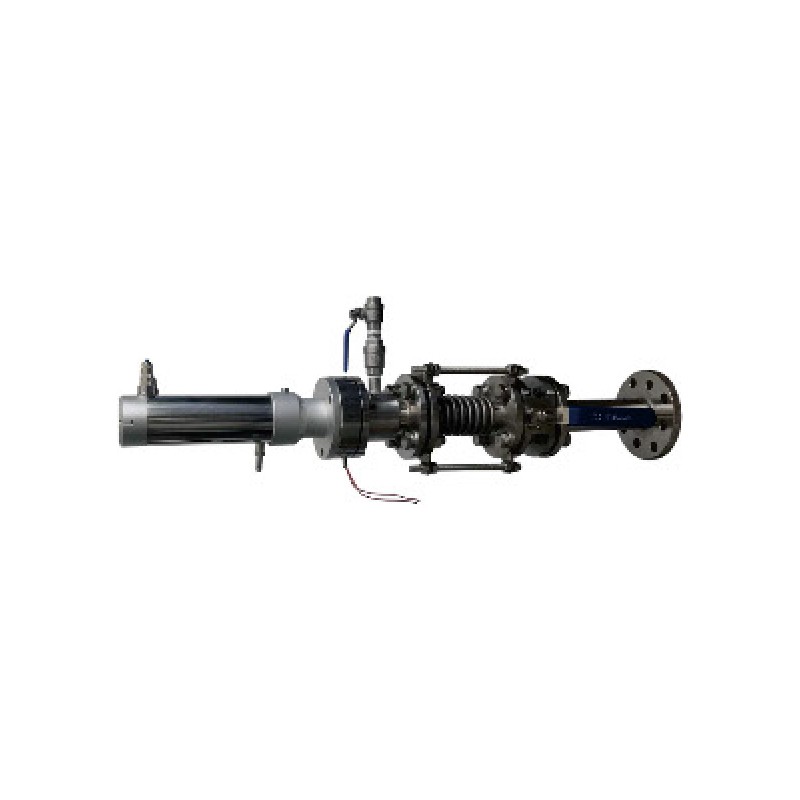
CCTV Camera Infrared Temperature Measurement System for Hot Blast Furnace Vault
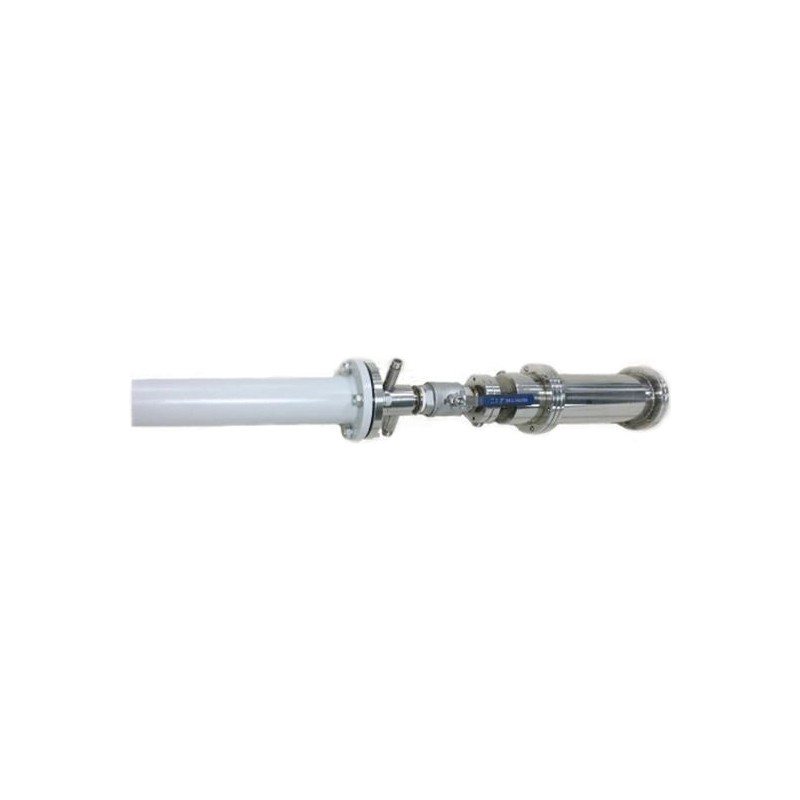
Vacuum Electric Furnace High Temperature Camera
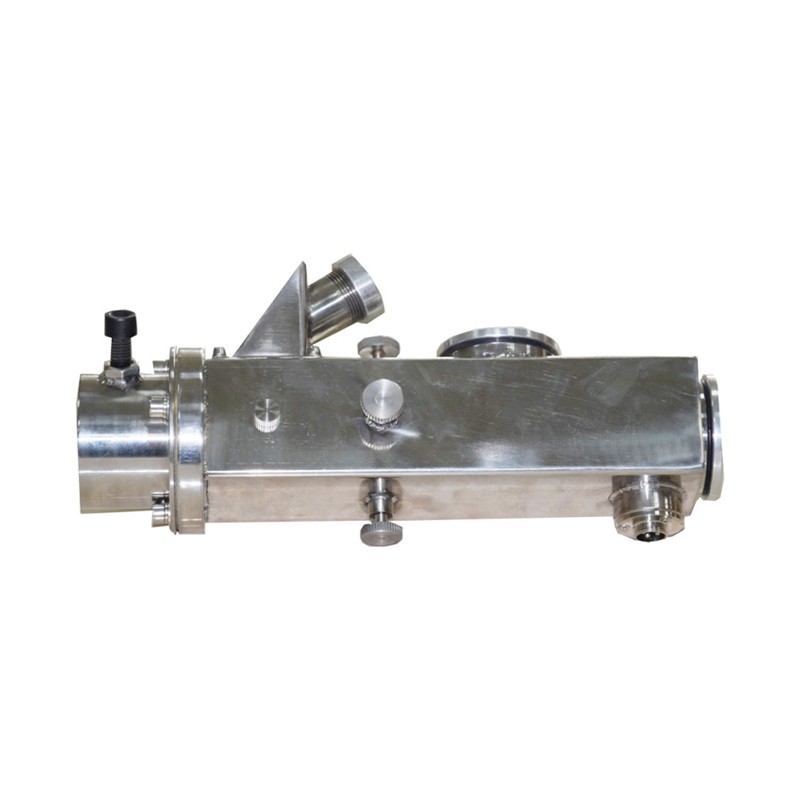
Blast Furnace Tuyere Imaging System for Video Monitoring
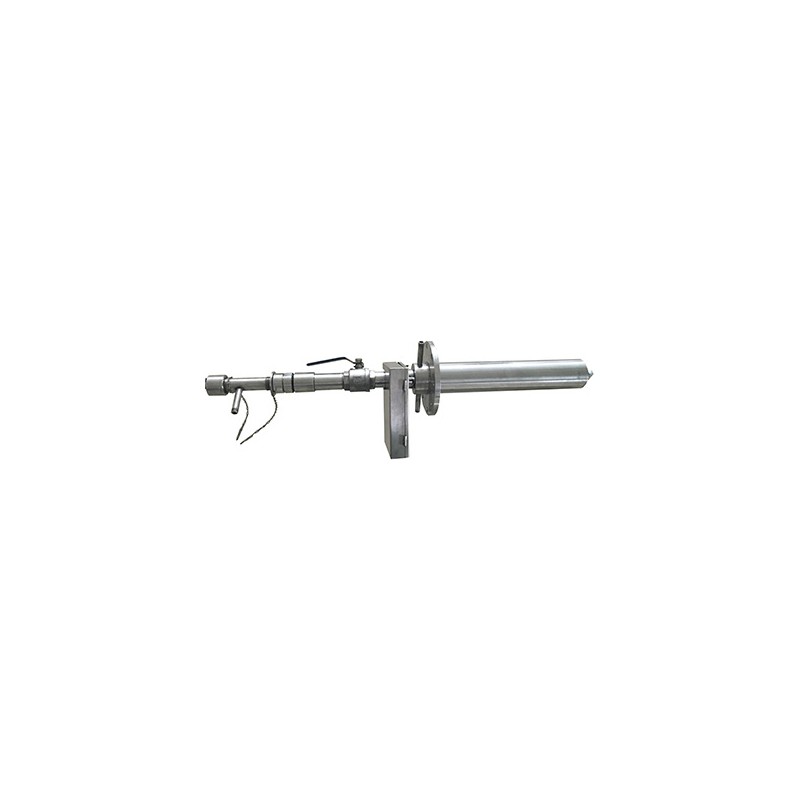
Blast Furnace Top Thermal Imaging System for steel industry
Blast Furnace Top Thermal Image Distribution Monitoring System
Recent News
1.how furnace cameras monitor high-temperature industrial processes
2025-12-052.What Is an Explosion-Proof Camera?Complete Guide for 2025
2025-11-213.High Temperature Cameras for Furnaces and Industrial Applications
2025-11-104.Advanced Solutions for Kiln Refractory Monitoring System
2025-08-195.Can You Put a Camera in a Kiln? The Complete Guide to Cement Rotary Kiln Monitoring
2025-08-19