



High Temperature Cameras for Furnaces and Kilns
 Dec 24, 2025|
 View:25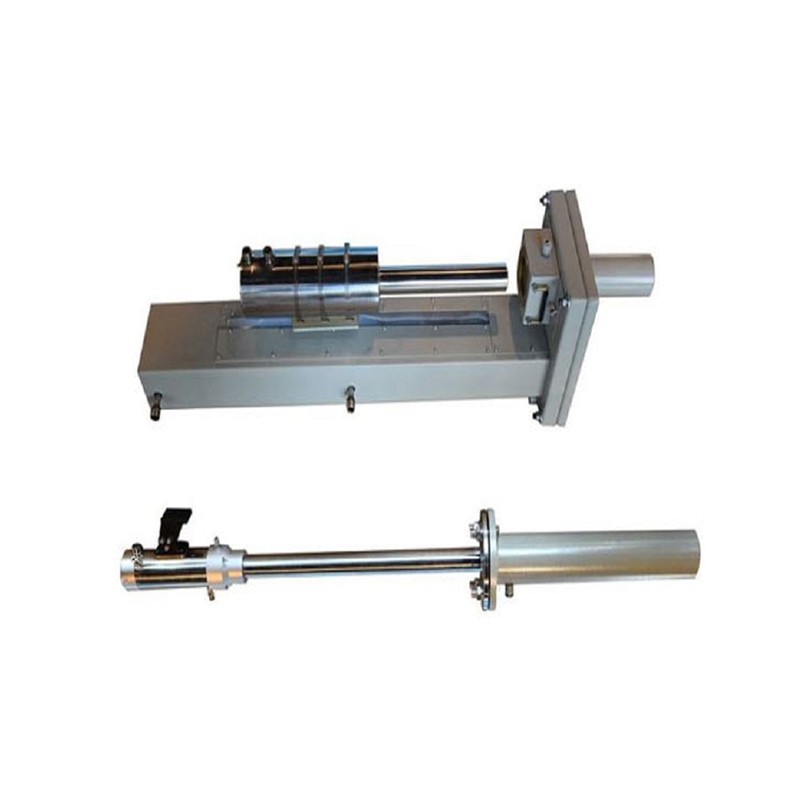
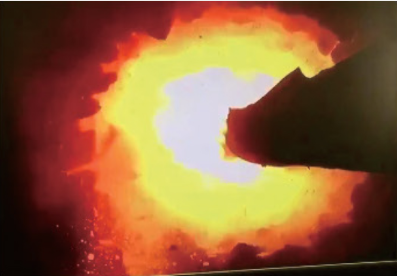
In modern heavy industries, visibility inside extreme environments is no longer a luxury—it is a necessity. Whether in steel production, cement manufacturing, glass melting, or ceramics firing, operators must continuously monitor processes occurring at temperatures that can exceed 2,000°C. This is where furnace cameras, High-Temperature Furnace Camera systems, kiln camera solutions, and cement kiln camera technologies become indispensable.
High temperature cameras provide real-time visual access into furnaces and kilns, allowing operators to optimize combustion, improve product quality, reduce downtime, and enhance safety. This in-depth guide explores how these cameras work, where they are used, and why they have become a critical component of modern thermal process control.
Understanding High Temperature Cameras
High temperature cameras are specialized industrial imaging systems designed to operate in environments that would instantly destroy conventional cameras. Unlike standard CCTV systems, these cameras are protected by advanced cooling, shielding, and optical technologies that allow them to function reliably in extreme heat, dust, vibration, and corrosive atmospheres.
A High-Temperature Furnace Camera typically includes a heat-resistant camera head, protective housing, cooling system, optical lens assembly, and control electronics. Together, these components deliver clear, continuous images from inside furnaces and kilns.
Why Visual Monitoring Is Critical in Furnaces and Kilns
Operational Control and Process Optimization
Without visual feedback, furnace and kiln operation relies heavily on indirect measurements such as temperature sensors and gas analysis. While valuable, these measurements cannot fully capture flame shape, material movement, or buildup conditions. Furnace cameras provide direct visual confirmation, enabling operators to make faster and more accurate adjustments.
Safety and Risk Reduction
Extreme heat environments pose significant risks. A kiln camera or cement kiln camera allows operators to detect dangerous conditions—such as flame impingement, blockages, or refractory damage—before they escalate into costly or hazardous failures.
Key Components of a High-Temperature Furnace Camera System
Heat-Resistant Camera Head
The camera itself is engineered to withstand high ambient temperatures. Specialized sensors and electronics are selected for stability and longevity in extreme conditions.
Protective Housing and Shielding
Robust housings made from stainless steel or other heat-resistant alloys shield the camera from radiant heat, sparks, dust, and corrosive gases.
Cooling Systems
Cooling is critical for camera survival. Most High-Temperature Furnace Camera systems use air or water cooling to maintain safe operating temperatures inside the housing.
Optical Lens and Viewing Port
High-quality optical lenses and protective windows allow clear imaging while resisting thermal shock and material buildup.
Types of High Temperature Cameras
Visible Light Furnace Cameras
These cameras provide real-time color or monochrome images, ideal for flame observation, material flow analysis, and burner alignment.
Infrared and Thermal Cameras
While not always required, infrared options help detect temperature distribution and hot spots, complementing standard furnace cameras.
Specialized Cement Kiln Cameras
A cement kiln camera is specifically designed for long rotary kilns, where dust, vibration, and extreme temperature gradients present unique challenges.
Applications of Furnace Cameras Across Industries
Steel and Metal Processing
In steel mills, furnace cameras monitor melting furnaces, reheating furnaces, and ladles. Visual feedback helps control charge distribution, flame shape, and slag formation.
Glass Manufacturing
Glass furnaces require precise temperature and flame control. A High-Temperature Furnace Camera ensures uniform melting and prevents defects in the final product.
Ceramics and Brick Kilns
A kiln camera allows operators to monitor firing conditions, detect uneven heating, and ensure consistent product quality across batches.
Cement Kiln Camera Applications
Monitoring the Burning Zone
In cement manufacturing, the burning zone is the heart of the process. A cement kiln camera provides continuous visibility into flame behavior, clinker formation, and material movement.
Preventing Ring Formation and Blockages
Visual detection of coating buildup or ring formation allows early intervention, preventing costly shutdowns.
Optimizing Fuel Efficiency
By observing flame shape and combustion dynamics, operators can optimize fuel usage, reducing energy costs and emissions.
Benefits of Using High Temperature Cameras
Improved Process Stability
Real-time visuals help maintain stable operating conditions, reducing fluctuations that impact product quality.
Reduced Downtime and Maintenance Costs
Early detection of problems minimizes unplanned shutdowns and extends equipment life.
Enhanced Operator Confidence
Operators gain confidence knowing they can see what is happening inside critical equipment at all times.
High-Temperature Furnace Camera vs Traditional Sensors
Traditional sensors provide numerical data but lack contextual insight. A High-Temperature Furnace Camera adds visual intelligence, complementing sensor data and enabling faster decision-making.
When combined, these systems offer a comprehensive understanding of furnace and kiln behavior.
Installation Considerations for Furnace and Kiln Cameras
Mounting Location
Proper placement ensures optimal viewing angles while protecting the camera from direct flame exposure.
Cooling Infrastructure
Adequate air or water supply is essential for long-term reliability.
Maintenance Accessibility
Systems should be installed for easy inspection and cleaning to maintain image clarity.
Challenges in High Temperature Imaging
Extreme Heat and Thermal Shock
Rapid temperature changes can stress components. High-quality materials and engineering mitigate these risks.
Dust and Particulate Matter
Dust accumulation can obscure lenses. Purge air systems are commonly used to keep optics clean.
Vibration and Mechanical Stress
Rotary kilns and heavy machinery generate vibration, requiring ruggedized camera designs.
Technological Advancements in Furnace Cameras
High-Resolution Imaging
Modern furnace cameras deliver sharper images, improving diagnostic capabilities.
Remote Monitoring and Integration
Many systems integrate with control rooms, allowing operators to view feeds remotely and archive footage for analysis.
AI and Image Analysis
Advanced systems now incorporate AI to automatically detect anomalies, flame instability, or material buildup.
Selecting the Right Kiln Camera System
Temperature Range Compatibility
Ensure the camera is rated for the maximum operating temperature of your process.
Environmental Resistance
Consider dust levels, corrosive gases, and vibration when selecting a system.
Customization and Support
Reliable suppliers offer tailored solutions and long-term technical support.
Maintenance Best Practices for High Temperature Cameras
Regular Lens Inspection
Keeping the viewing window clean ensures consistent image quality.
Cooling System Checks
Monitoring airflow or water flow prevents overheating.
Periodic Calibration
Calibration ensures accurate imaging and system reliability over time.
Return on Investment for Furnace Camera Systems
While the initial investment may seem significant, the ROI is compelling. Reduced downtime, improved product quality, lower fuel consumption, and enhanced safety quickly offset costs.
For cement plants, a cement kiln camera alone can prevent shutdowns worth hundreds of thousands of dollars.
Future Trends in High Temperature Furnace Cameras
Smarter Monitoring Systems
AI-driven analytics will continue to improve predictive maintenance and process optimization.
Higher Durability Materials
Advancements in materials science will further extend camera lifespan in extreme conditions.
Greater Integration with Industry 4.0
High temperature cameras will increasingly connect with digital control systems, supporting smart factories and data-driven operations.
Why Furnace Cameras Are Essential in Modern Industry
Industries today demand precision, efficiency, and safety. Furnace cameras, High-Temperature Furnace Camera systems, kiln camera technologies, and cement kiln camera solutions meet these demands by providing visibility where it was once impossible.
They transform blind processes into controlled, optimized operations.
Conclusion
High temperature cameras have revolutionized how industries manage furnaces and kilns. By delivering real-time visibility in extreme environments, they empower operators to improve efficiency, enhance safety, and protect critical assets.
Whether monitoring molten metal, firing ceramics, or optimizing clinker formation, furnace cameras and kiln camera systems are no longer optional—they are essential tools for competitive, modern industrial operations.
As technology continues to evolve, the role of the High-Temperature Furnace Camera and cement kiln camera will only grow, solidifying their place at the core of intelligent thermal process control.
Recommended Products
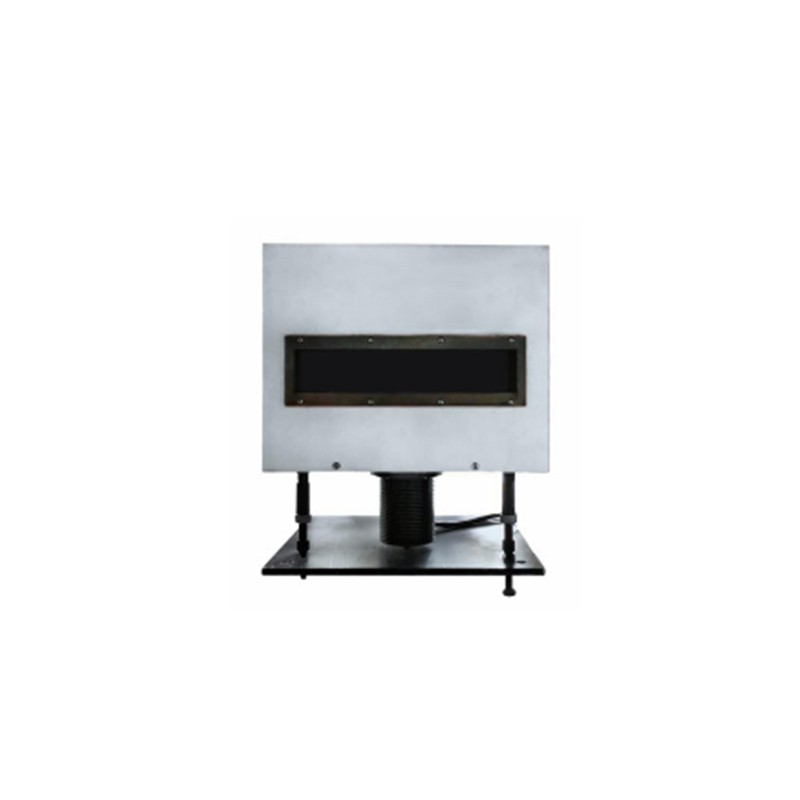
Kiln Shell Infrared Scanning Temperature Measurement System
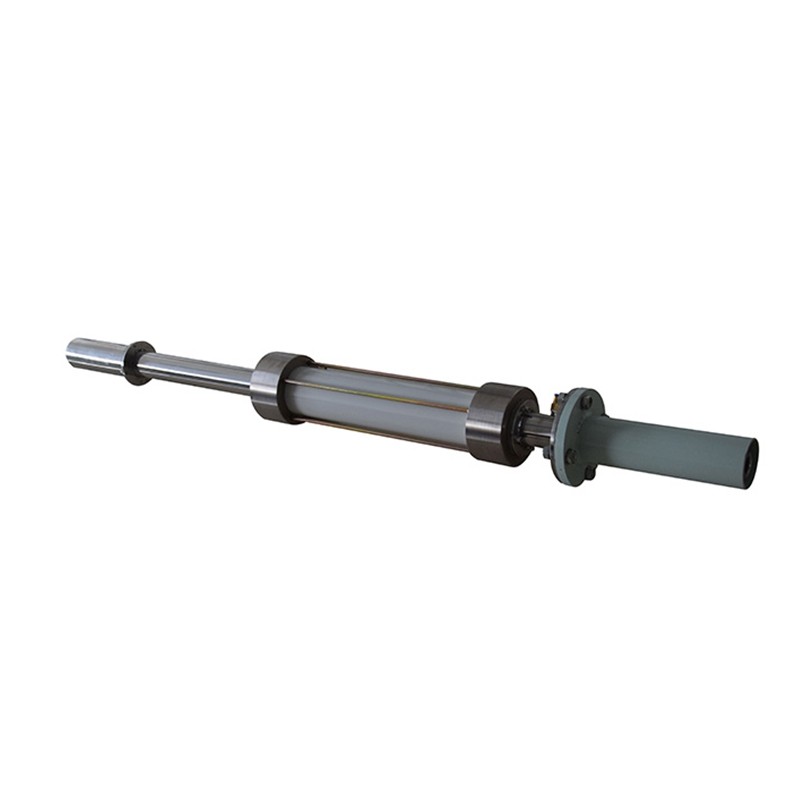
Kiln Tail Flue Gas Chamber Infrared Temperature Measurement System
Kiln Head High Temperature Flame Monitoring System
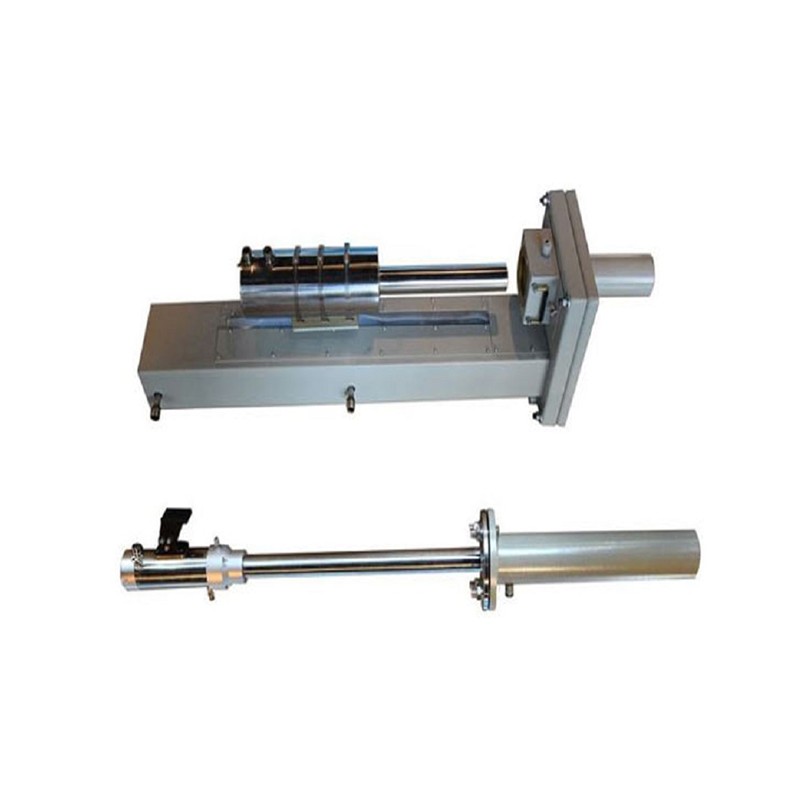
Rotary Kiln Thermographic Monitoring System
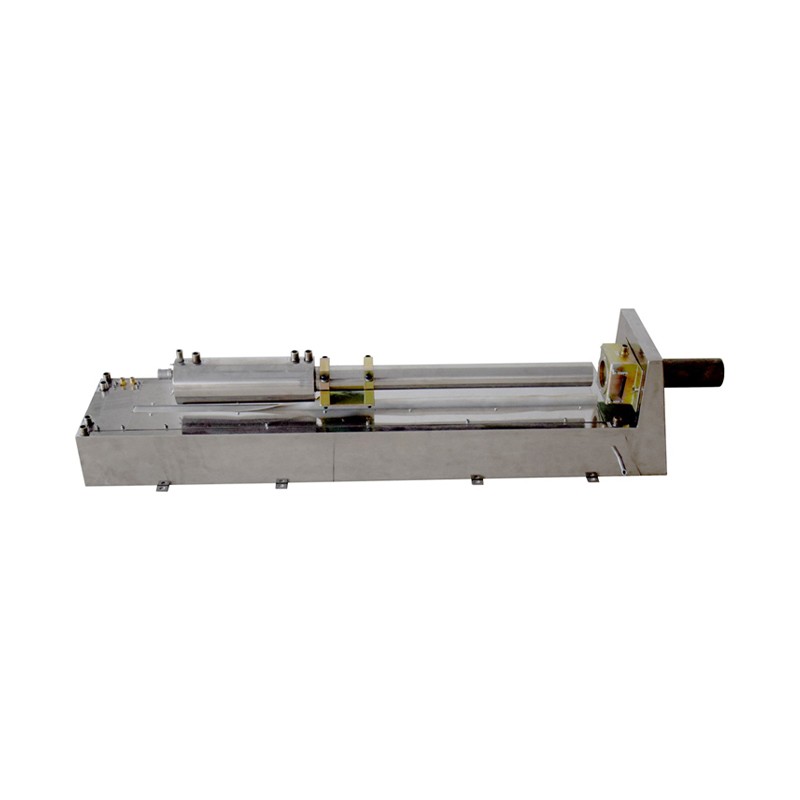
Glass Fiber Kiln Industrial TV System
High-Temp Furnace Monitoring Camera | Auto-Retraction Industrial TV System
Recent News
1.Industrial video cameras for the most hazardous environments
2025-08-192.Can You Put a Camera in a Kiln? The Complete Guide to Cement Rotary Kiln Monitoring
2025-08-193.Advanced Solutions for Kiln Refractory Monitoring System
2025-08-194.What Are Furnace Cameras and How Do They Work
2025-12-105.Top 10 Best Industrial Uses for Explosion Proof Cameras
2025-12-176.how furnace cameras monitor high-temperature industrial processes
2025-12-057.High Temperature Cameras for Furnaces and Industrial Applications
2025-11-10