



What Is an Explosion Proof CCTV Camera and How Does It Work
 Jan 08, 2026|
 View:53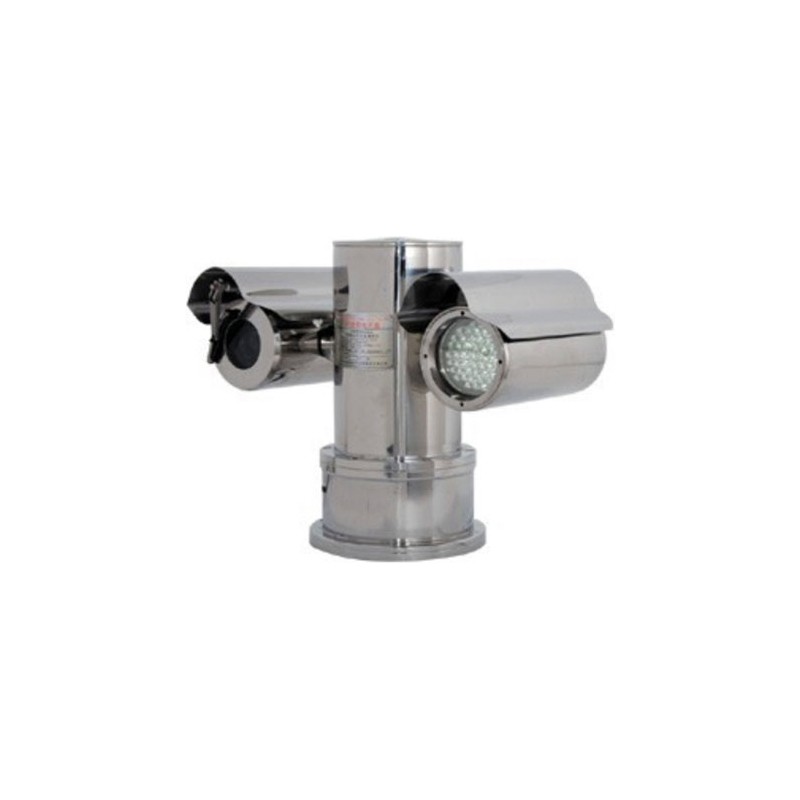
In hazardous environments, ensuring robust security is essential. These locations often contain flammable gases or combustible dust that can lead to serious incidents. The Explosion-proof Security Camera System features an explosion proof CCTV camera with a durable casing and advanced components. This system effectively contains sparks and heat, preventing electric components from igniting fires or causing explosions. Typically constructed from stainless steel, the casing protects against hazardous elements while managing energy safely.
The Explosion-Proof Camera provides real-time video surveillance, assisting rescue teams and facilitating investigations. Utilizing technologies such as encapsulation and pressurization, these cameras effectively eliminate potential fire sources. With the Explosion Proof Infrared Security Camera System, you can monitor high-risk areas securely and confidently.
Key Takeaways
Explosion proof CCTV cameras help watch dangerous places. They stop sparks and heat from starting fires with gas or dust.
Pick cameras made from strong materials like stainless steel or aluminum. These materials help the cameras last long in bad weather.
Check for ATEX and IECEx certifications when you buy explosion proof cameras. These certifications show the cameras are safe in places with explosions.
It is important to take care of the cameras often. Clean them every month and look for damage to keep them working well and safe.
Use real-time monitoring features. This helps find problems early, keeps people safe, and stops accidents in risky workplaces.
Explosion Proof CCTV Camera Features
Rugged Housing and Materials
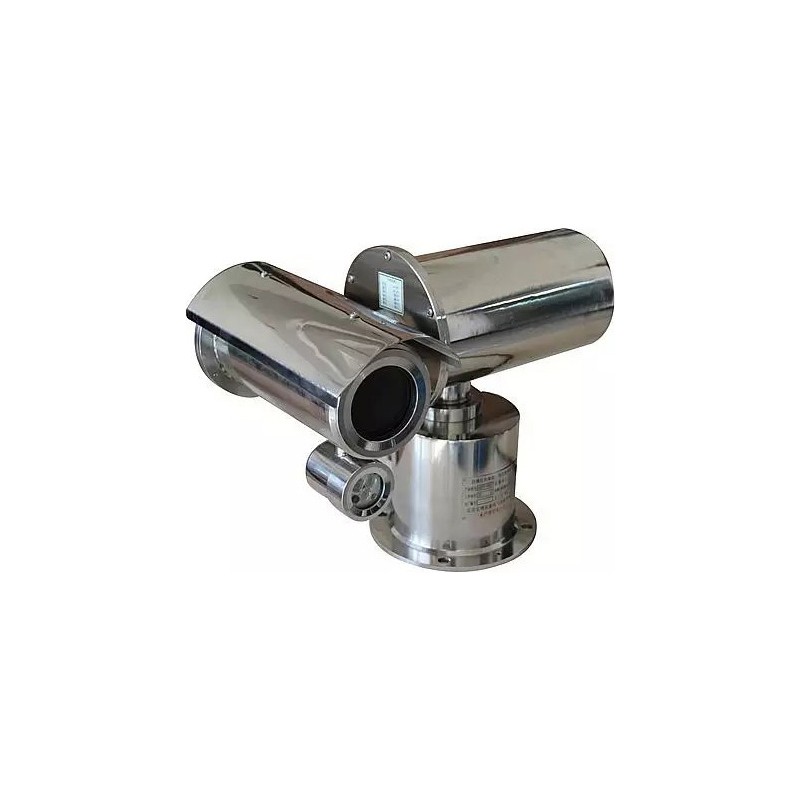
If you pick an explosion proof CCTV camera for dangerous places, you need it to be tough. The outside of these cameras is made from stainless steel or aluminum. Stainless steel does not rust easily and can handle very hot or cold weather. Aluminum is light and helps get rid of heat, but it can rust faster.
Here is a table showing what is good and bad about each material:
Material | Advantages | Limitations |
|---|---|---|
Stainless Steel | Exceptional corrosion resistance, withstands extreme temperatures, long operational lifespan | Heavier, more expensive, requires reinforced mounting |
Aluminum | Lightweight, cost-effective, good heat dissipation | Less corrosion-resistant, not ideal for marine environments |
Stainless steel keeps your explosion proof cameras safe in rough places. These cameras work in very cold or hot weather, from -40°C to +60°C. They can also handle air that is almost full of water, up to 95% humidity. The IP68 rating means dust and water cannot get inside, so your camera works even in wet or dirty spots.
Tip: Stainless steel housings help your camera last longer and stay safe, even when exposed to chemicals or moisture.
Spark and Heat Containment
Explosion proof cameras are made to keep sparks and heat inside. This stops fires from starting if there are flammable gases or dust nearby. You can feel safe knowing your camera will not cause an explosion, even if something goes wrong inside.
These cameras have strong cases that keep sparks and heat trapped.
The ATEX and IECEx certifications show the camera is very safe.
You can use explosion proof surveillance cameras where regular cameras would not be safe.
The tough build and safety checks make these cameras a smart pick for dangerous places.
Comparison to Standard Security Cameras
You may wonder how explosion proof cameras are different from regular security cameras. The biggest differences are in how they are built, their safety checks, and how you put them in.
Feature | Standard Security Cameras | Explosion-Proof Cameras |
|---|---|---|
Certification | No special certification required | ATEX, IECEx, or equivalent certifications |
Construction | Standard material | Explosion proof enclosures (e.g., stainless steel) |
Installation | No special requirements | Requires certified accessories and procedures |
Maintenance | Simple, with general servicing | Requires inspection to ensure ATEX compliance |
Explosion proof cameras use strong materials and are made to stop fires. You can use them where there are flammable gases or dust. Regular cameras are not safe for these places. The extra safety checks and tough design make explosion proof CCTV cameras the best choice for dangerous areas.
Note: Explosion proof cameras lower the chance of explosions much more than regular security cameras.
Explosion Proof Camera Technology
Internal Safety Mechanisms
Explosion proof cameras have special safety features to keep people safe. The camera body is made from stainless steel or aluminum. This strong case keeps sparks and heat from getting out. It stops them from touching flammable gases or dust. These cameras can work in rain, snow, or dust storms. Sunshields, heaters, and wipers help keep the lens clean and dry. This means you can always see what is happening.
The tough enclosure helps remove dangerous gases.
Strong mounts hold the camera in place and protect wires with flame-proof pipes.
Closed-loop systems let the camera return to the same spot for good monitoring.
Tempered glass windows are hard to break and keep pictures clear.
Heaters inside stop water from building up on the lens.
Explosion proof CCTV cameras follow strict ATEX rules. These rules make sure the camera is safe in places with flammable gases or dust. You can trust these cameras to keep your building safe.
Explosion proof cameras can watch all the time. You get live video that helps you find problems fast. Smart image tools can spot dangers like gas leaks or smoke. Automatic alerts tell your team if there is a problem. Predictive maintenance checks for signs of wear and tells you when to fix things. This keeps your security system working well and helps stop accidents.
Tip: Watching in real time and fixing things early helps you stop problems before they get worse. You keep your workplace safe and avoid losing time and money.
Ignition Source Isolation
Explosion proof surveillance cameras are built to keep sparks and heat away from dangerous places. The camera’s case traps any sparks or heat inside. This means they cannot reach flammable gases or dust. Tight joints and temperature controls give extra safety by keeping the camera cool.
Here is a table that shows how these cameras keep ignition sources away:
Design Principle | Description |
|---|---|
Containment | Enclosures keep explosions inside and stop them from spreading. |
Prevention | Devices do not make enough energy to start fires. |
Certification | Cameras follow IEC 60079 and ATEX safety rules. |
Material Use | Stainless steel does not rust and is very strong. |
Joint Design | Tight joints stop flames from escaping through small spaces. |
Temperature Control | Electronics stay cool to help prevent fires. |
Explosion proof cameras can watch all the time and have smart features. You can use 360° pan and tilt to see every part of your building. The camera works with many control systems like HTTP, RTSP, DHCP, NTP, ONVIF, P2P, and RTMP. These let you connect the camera to different security systems and control it easily.
Feature | Description |
|---|---|
System Type | Explosion Proof Pan/Tilt System |
Certification | ITEX and IECEx |
Construction | Rugged IP66 weatherproof |
Pan/Tilt Capability | Continuous pan with 180-degree tilt |
Customization | Internal receiver units and optional mounts |
Resolution | 5MP to 8MP SONY or Chinese Starvis Sensor |
Low Light Performance | 0.001Lux (Color) or 0Lux (B/W) |
Supported Protocols | HTTP, RTSP, DHCP, NTP, ONVIF, P2P, RTMP |
You get clear pictures even when it is dark. You can control the camera from many devices. This makes explosion proof cameras a smart choice for keeping dangerous places safe.
Note: Explosion proof camera technology helps you feel safe. Your cctv system will keep working, even in tough conditions.
Explosion Proof Surveillance Camera Applications
Oil and Gas Industry
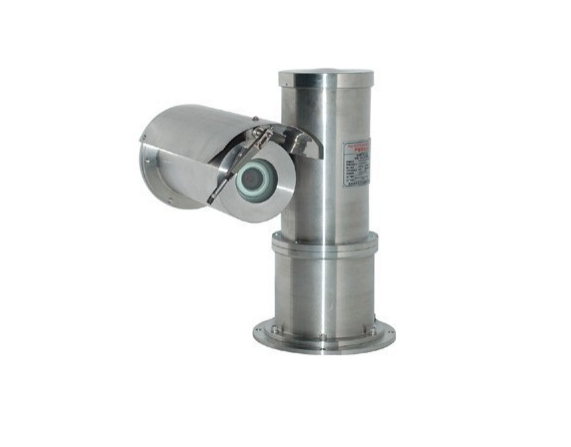
If you work in oil and gas, safety matters a lot. Explosion proof cameras help you watch drilling and refineries. You can see what is happening right away and stop problems early. Here are some ways you use explosion proof CCTV camera systems in this field:
You watch drilling to stop dangerous well control problems.
You check storage tanks, processing units, and flare stacks at refineries.
You watch drill floors, helipads, and storage areas on offshore platforms.
You look for leaks, tampering, and people who should not be near pipelines.
You check fuel storage and dangerous chemicals at storage terminals.
Explosion proof cameras let you see workers and machines in risky places. These cameras do not make sparks or get too hot, so fires and explosions are less likely. You keep your team safe and your work goes well.
Chemical and Pharmaceutical Sites
Chemical plants and drug sites have many dangers. Dangerous chemicals can cause accidents if you do not watch them. It is hard for people to watch because chemicals can hurt them. Explosion proof surveillance camera systems help you stay safe. You use these cameras to:
Watch reactors and chemical work without putting people in danger.
Check pyrophoric reactions, like LiAlH4 and Grignards, during API making.
Get alerts right away so you can act fast in emergencies.
Use cameras instead of risky manual checks.
Explosion proof cameras make your site safer and more secure. You protect your workers and your building from accidents.
Dust Hazard Areas
Some places have dust that can explode, like mines, chemical plants, and aerospace sites. Explosion proof cameras help you follow safety rules and keep people safe. Here is a table showing the types of dust hazard areas:
Hazard Area Type | Description |
|---|---|
Division 1 | Flammable gases, vapors, or dusts are there during normal work or may happen often. |
Division 2 | Dangerous stuff is not usually there but could show up during accidents or strange events. |
Explosion proof surveillance camera systems let you watch and record in real time. You can find dangers early and lower the chance of accidents. You keep your workplace safe and follow safety rules.
Tip: Use explosion proof cameras in dangerous places to protect your team and your equipment.
Certifications and Compliance for Explosion Proof Cameras
ATEX and IECEx Standards
If you want an explosion proof CCTV camera for dangerous places, you need to check for the right certifications. ATEX and IECEx are two important safety standards. These standards help keep your workplace safe. They show that your explosion proof cameras follow strict rules for explosive areas.
Here is a table that shows how ATEX and IECEx are different:
Feature | ATEX | IECEx |
|---|---|---|
Region | European Union | International |
Legal Requirement | Yes (mandatory in EU) | Voluntary but recognized |
Standardization | European Directives | IEC Standards |
Documentation | Manufacturer self-certifies | Third-party testing |
Acceptance | Limited outside EU | Broad global |
Explosion proof cameras from Changzhou Luming Optoelectronics Technology Co., ltd. meet both ATEX and IECEx Zone 0/1 standards. This means you can use them where there are explosive gases or dust. You can trust these cameras not to cause accidents.
You also need to make sure every part of your explosion proof surveillance camera system is certified. The table below shows what you should check:
Component | Importance in Compliance |
|---|---|
Camera | Must be certified for safe operation in explosive areas. |
Enclosure | Protects the camera and must also be certified. |
Wiring | Needs to be compliant to prevent ignition sources. |
Accessories | All components must work safely together under conditions. |
Importance of Certification
Certification is more than just a sticker. It is a promise that your explosion proof camera will keep workers safe and your security system working well. Here is why certification is important:
ATEX certification means your explosion proof cameras are safe for explosive places in the EU.
IECEx certification shows your cameras meet world safety rules for explosive areas.
UL and CSA certifications test equipment for North America, using strict safety rules.
If you use cameras without certification in explosive places, you could have big problems:
Non-certified cameras might not stop explosions, which can be dangerous.
If you do not install or handle them right, you can lose certification and make things unsafe.
Certified explosion proof cameras are made to work safely with explosive gases or dust.
Tip: Always check for the right certification before you put in any explosion proof camera. This helps keep your team, your equipment, and your business safe.
Choosing and Maintaining Explosion Proof Cameras
Selection Criteria
When you pick explosion proof cameras, you need to think about a few things. These cameras keep your site safe in dangerous places, so choosing the right one is important.
Durability: Pick cameras that can handle dust, water, and hard hits. Look for high IP ratings like IP68 to keep out dust and water.
Temperature Range: Make sure your camera works from -40°C to +60°C. This helps your system work in very hot or cold weather.
Image Quality: Choose cameras with at least 2 MP resolution. Clear pictures help you find problems quickly.
Low-Light Sensitivity: Get cameras that can see in very dark places, like 0.001 lux or less.
Optical Zoom: At least 10x optical zoom lets you see far away things safely.
Certification: Always check for ATEX and IECEx certification. Certified zone 1 cameras follow strict safety rules.
Complete System Certification: Make sure the whole system, including the case and wires, is certified for dangerous places.
Temperature Rating: Check the ‘T’ rating so the camera does not get too hot.
Tip: Certified zone 1 cameras help you feel sure your security system will be safe in explosive places.
Installation Tips
Good installation helps explosion proof cameras work well and keeps your site safe. Follow these steps for the best results:
Seal the camera inlet with a rubber ring to keep it explosion proof.
Do not change the camera’s body or its parts.
Protect all wires so they do not get damaged.
Avoid hard hits when installing and use the right voltage.
Put cameras in places like oil refineries, chemical plants, and ships.
Use ATEX certified safe cameras to stop sparks.
Teach your workers how to use and take care of the cameras.
Note: Always follow the maker’s instructions for putting in and caring for your cameras.
Maintenance Guidelines
Taking care of your explosion proof cameras helps them last and keeps your security strong. Here are some good tips:
Clean the lens and case every month so pictures stay clear.
Check seals, wires, and mounts every month for damage.
Check the seals every three months to make sure they work.
Update the camera’s software two times a year for best results.
Get a pro to check and adjust the camera every 6–12 months.
Try not to open the camera case so it stays explosion proof.
Only trained people should check and fix the cameras. This keeps your cctv system safe and certified for dangerous places.
Tip: Regular care helps your zone 1 cameras last longer and keeps your security system working well.
You help keep your workplace safe. Explosion proof cameras let you watch things as they happen. This helps stop accidents before they start. The table below lists their main benefits:
Benefit | Description |
|---|---|
Enhanced Hazard Monitoring and Incident Prevention | Watching live helps lower risks. |
Increased Worker Safety and Security | Makes workers safer and protects special areas. |
Unmatched Durability and Reliability | Works well in tough places for a long time. |
Compliance with Industry Regulations | Helps you follow strict safety rules. |
When picking explosion proof cameras, check for safety labels and temperature limits. Get experts to install them and have them checked often. Doing these things helps keep people and things safe in dangerous places.
FAQ
What makes an explosion proof CCTV camera different from a regular camera?
Explosion proof CCTV cameras have very strong metal cases. These cases stop sparks and heat from getting out. Regular cameras do not have this kind of protection. You use explosion proof cameras where fires or explosions might happen.
Where should you install explosion proof cameras?
You should put explosion proof cameras in dangerous places. These places are oil refineries, chemical plants, or anywhere with flammable dust or gases. The cameras help keep people and machines safe.
How do you maintain an explosion proof CCTV camera?
Clean the lens and case once a month. Check the seals and wires for any damage. Update the camera’s software two times each year. Only trained workers should fix or check the camera. This helps your camera work well.
What certifications should you look for?
You should look for ATEX and IECEx certifications. These show the camera is safe for explosive areas. Certified cameras follow strict safety rules. You can trust them to keep your site safe.
Can explosion proof cameras work in bad weather?
Yes, explosion proof cameras work in rain, snow, and dust storms. The strong case and IP68 rating keep water and dust out. You get clear pictures no matter what the weather is like.