



Leading High Temperature Furnace Cameras for Industrial Monitoring
 Jan 15, 2026|
 View:34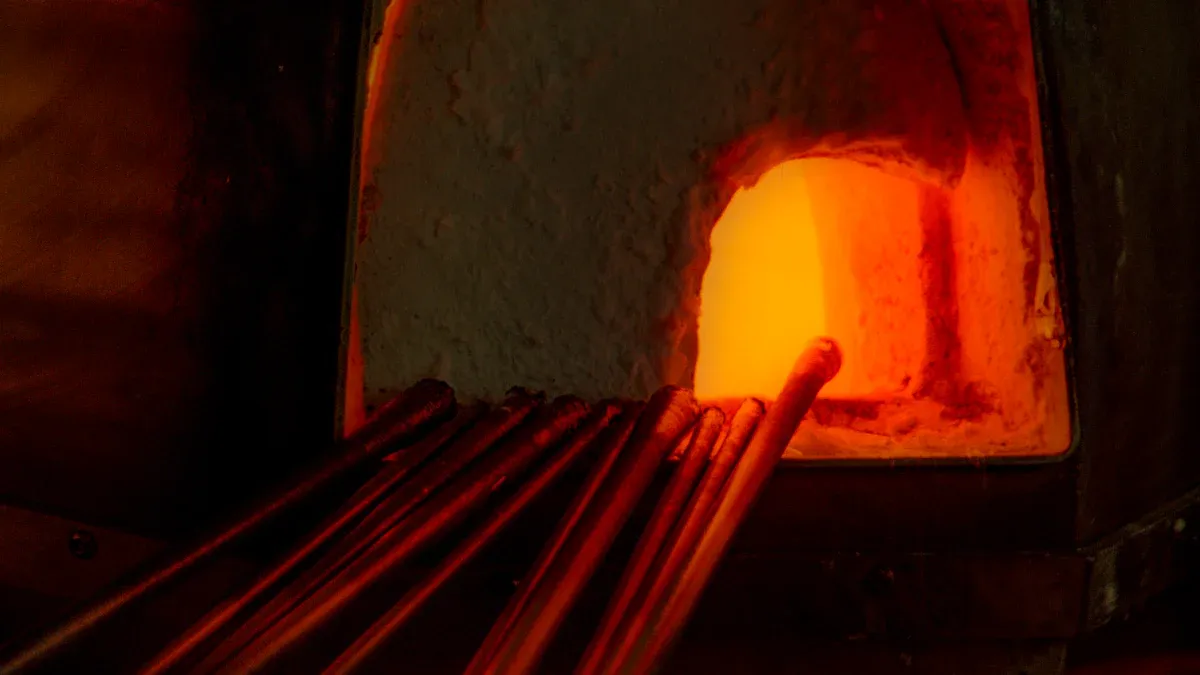
You need a high temperature furnace camera for safety and efficiency. The best five choices are the LM-NZ500C Rotary Kiln Monitoring Camera, Fluke TiX580, Canty High Temperature Cameras, FLIR G609, and Mesurex Real Vision. These high temperature camera for furnace monitoring solutions check temperature without contact and provide early warnings about potential issues, helping you avoid costly shutdowns. Today, industries are seeking smarter high temperature CCTV Camera systems. One notable example is the Great Cooler Blanking Camera System for High Tempe. These advanced systems are designed to meet increasing demand. The market for high temperature furnace camera solutions is expanding rapidly, as more cameras contribute to a safer and more efficient furnace operation.
Key Takeaways
Pick the best high temperature furnace camera for your factory. Think about the temperature range and what features you need. This helps the camera work well.
Take care of your furnace cameras often. Clean the lenses and check calibration every six months. This makes sure the readings stay correct.
Buying advanced cameras can cost more at first. But they help save money later. They stop expensive repairs and help use energy better.
Top High Temperature Furnace Cameras
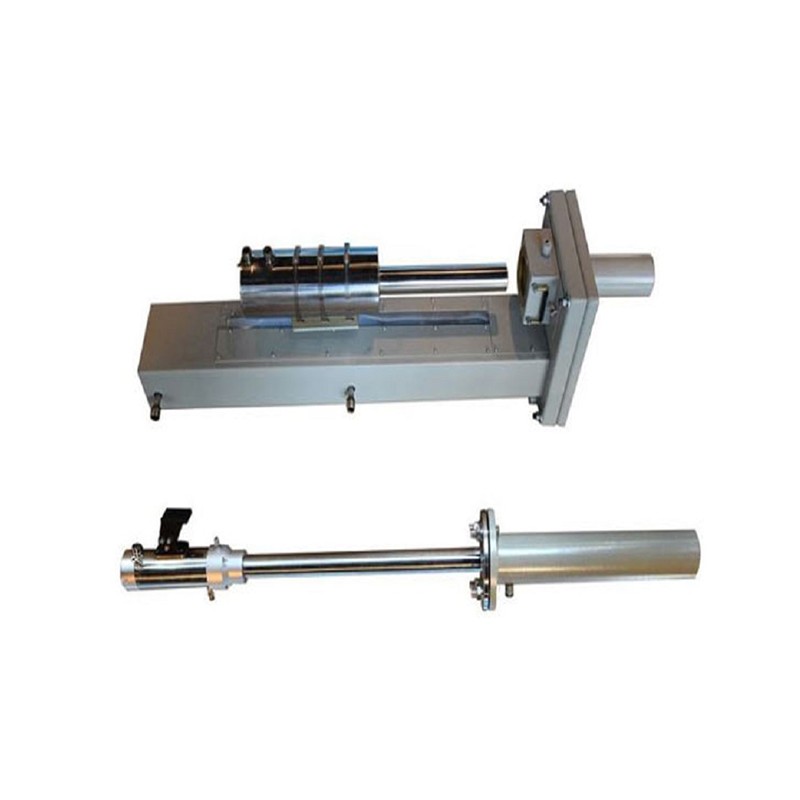
LM-NZ500C Rotary Kiln Monitoring Camera Overview
The LM-NZ500C Rotary Kiln Monitoring Camera helps you watch heat in tough places. It has two cameras. One camera shows clear pictures. The other camera checks heat with infrared. You can see what is happening and know the temperature right away. The camera has safety features. If it gets too hot or air pressure drops, the cover moves out by itself. This keeps the camera and your machines safe.
This camera is great at showing heat pictures. It checks the whole area and gives quick, correct temperature readings. You can watch up to 16 spots inside the furnace. It measures temperature very closely, with only a small error. The camera works with PLC control. This means you can set it to work by itself for safety and better results. The software is easy to use. You can see pictures and temperature numbers together. You get alerts fast if something is wrong.
Here is a summary of the technical specifications:
Specification | Details |
|---|---|
Model | LM-NZ500 |
Resolution | 19201080 (visible), 16001200 (thermal) |
Zoom | 27x optical (electronic 3.6-78) |
Exit Distance | 450mm |
Angle of View | 17°-81° focus or zoom |
Signal Noise Ratio | 56db (visible), 42db (thermal) |
Cooling Water Inlet Pressure | 0.2~0.5MPa |
Minimum Flow | 0.8M³/h (water), 0.3M³/min (air) |
Operating Temperature in Furnace | ≤ 2000 ºC |
Alarm Signal Connection | Yes (to DCS) |
You can use this camera in many places. It works in cement kilns, steel furnaces, annealing furnaces, and waste incinerators. The LM-NZ500C sends data far, up to 25 kilometers. This makes it good for big factories.
Tip: Having two cameras lets you see what is happening and know the temperature at the same time. This helps you control your work better and make good products.
Fluke TiX580 Infrared Camera Features
The Fluke TiX580 Infrared Camera helps you see heat in furnaces. It can measure temperatures from very cold to very hot. The camera is very accurate, with only a small mistake. It can notice tiny changes in heat, even just 0.05 °C.
Feature | Details |
|---|---|
Temperature measurement range | -20 °C to 1000 °C (-4 °F to 1832 °F) |
Accuracy | ±2 °C or 2% |
Thermal sensitivity (NETD) | ≤ 0.05 °C at 30 °C target temp (50 mK) |
You can use the Fluke TiX580 to check furnaces often and fix problems. The camera is tough and works well in hard places. It takes clear heat pictures. This helps you find hot spots, broken insulation, or other problems before they get worse.
Canty High Temperature Cameras Summary
Canty High Temperature Cameras work in very hot places. You can use them where heat goes up to 2500°F. These cameras do not need cooling air. This makes them easier to put in and take care of. They have a special glass seal to keep the inside safe from heat and dirt. This seal also stops dangerous vapors from getting out, making things safer.
Feature | Description |
|---|---|
High-Temperature Resistance | Withstands up to 2500°F (1370°C) |
Automatic Exposure Adjustment | Digital auto-iris for better image quality |
No Cooling Air Required | Simplifies installation and maintenance |
Disposable Quartz Protective Shield | Extra lens protection |
Fused Glass Seal | Protects electronics and prevents vapor escape |
Non-Blooming CCD Cameras | Clear imaging in high-temperature environments |
Weather Resistant Housing | Durable for harsh conditions |
Compact and Lightweight | Easy to install and handle |
You can trust these cameras to look at things in very hot places. They keep working even if cooling air stops. This gives you time to fix things. Canty cameras are good for watching and checking work in steel, glass, and chemical factories.
FLIR G609 Furnace Camera Highlights
The FLIR G609 Furnace Camera is made for hot and gas-filled places. You can use it safely where there are dangerous gases. You do not have to stop work to use it. The camera has a special lens for looking into furnaces. You can get correct readings even through fire. It has a heat shield you can take off. This makes it safer and easier to use in risky places.
Feature | Description |
|---|---|
High-temperature capability | Designed for high-temperature and gas-detection settings |
Safety in volatile atmospheres | Operates safely without interrupting operations |
Furnace inspection lens | Accurate readings through flames |
Detachable heat shield | Enhances safety and usability |
The FLIR G609 has a 640 × 480 resolution. This helps you find small problems and measure heat on thin furnace tubes deep inside. The controls are easy to use. The camera is strong and works well for workers in tough places.
Mesurex Real Vision and Thermographic Cameras
Mesurex Real Vision and Thermographic Cameras give you smart heat pictures for watching work all the time. You can use these cameras in many factories, like glass, steel, cement, aluminum, paper, and power plants. Real Vision cameras help you control work better and waste less. The ProTIR system watches heat all the time and finds hot spots.
Industry | Technology Used | Reported Benefits |
|---|---|---|
Glass | Real Vision Cameras | Improved process control and minimized waste |
Steel | ProTIR system (Thermographic) | Continuous thermal monitoring and hot spot detection |
Cement | ProTIR system (Thermographic) | Enhanced operational safety and efficiency |
Aluminium | ProTIR system (Thermographic) | Accurate temperature measurement in extreme conditions |
Paper | ProTIR system (Thermographic) | Early detection of structural issues |
Power Generation | ProTIR system (Thermographic) | Non-contact temperature measurement |
You can check the heat of melted glass up to 1800°C without touching it. The cameras help you see when parts wear out or get too hot. Smart software lets you look at pictures closely. This helps you work better and stop problems before they happen.
Note: Mesurex cameras are a good choice for factories that need to watch heat closely and find problems early. They use smart heat pictures and real-time watching to help you work safely and well.
Evaluation Criteria for Furnace Monitoring Cameras
Image Quality and Thermal Performance
You need cameras that show clear pictures and correct temperatures. High-resolution thermal imaging helps you find problems early. Some cameras, like the FLIR P640 and GF309, have strong imaging. They can show pictures up to 640 x 480 and measure heat up to 1500°C. Good thermal imaging lets you see hot spots and watch changes as they happen. Look for cameras with low NETD values. This means they can spot small temperature changes. Watching in real time helps keep your work safe and running well.
Criteria | Description |
|---|---|
Image Quality | High resolution and low-light performance |
Temperature Range | Suitable for high-temperature environments |
Imaging Technology | Advanced sensors for accurate monitoring |
Durability and Heat Resistance
You want cameras that last in hard places. Strong protection, like high IP ratings, keeps cameras safe from dust and water. Some cameras use fused glass seals or quartz shields. These protect against heat and dirt. Check if the camera can handle your furnace's temperature. Cameras with water or air cooling stay safe for long times.
Integration and Control Systems
It is important to connect cameras to control systems. PLC compatibility lets you automate watching and control. IoT integration helps you manage data and alerts from anywhere. Good connectivity lets you send pictures and temperature data far away. Pick cameras that support wireless transmission and cloud storage. This gives you flexible ways to watch your furnace.
Feature | Benefit |
|---|---|
PLC Control | Automated monitoring |
Connectivity | Data transmission over distances |
Integration | Easy connection to control systems |
Support and Maintenance
Regular care keeps cameras working well. Clean the camera every few months. Check calibration twice a year for correct readings. Store and move cameras in cool, dry places to stop damage. Good after-sales support makes fixing problems easier and faster.
Tip: Always follow the manufacturer's maintenance rules. This helps your furnace monitoring cameras last longer.
Model Comparison: High Temperature Furnace Camera Performance
Performance and Accuracy
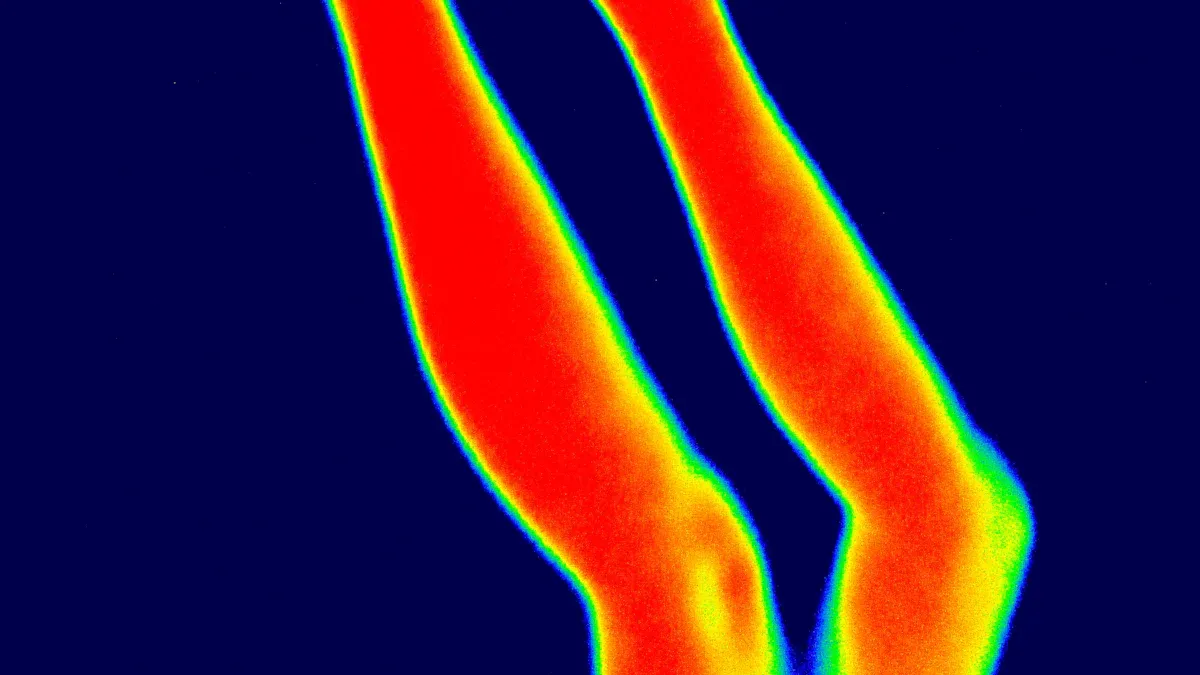
You need a camera that shows clear pictures and correct heat numbers. The LM-NZ500C Rotary Kiln Monitoring Camera uses two ways to see. It shows both regular and infrared views together. You can find problems fast and know the furnace temperature. The Fluke TiX580 is tough and gives sharp heat images. You can use it in hard places and trust what it shows. Canty High Temperature Cameras work in very hot spots. They do not need extra cooling, so they work well even when it is super hot. FLIR G609 lets you see through fire and gas. Mesurex cameras show heat changes right away, so you can control your work better.
Value and Cost Efficiency
Some high temperature cameras cost more at first. Smart cameras with special features can be pricey. But you save money later because they help you use less energy and fix things early. Watching heat in real time helps you stop problems before they grow. This means you pay less for repairs and your furnace lasts longer. You also use less fuel, which saves money and helps nature.
Advanced cameras cost more at first
You save money by using less energy and fixing less
Real-time watching helps you stop expensive furnace problems
Best Use Cases by Industry
Pick a camera that fits your factory needs. The LM-NZ500C works in cement, steel, and glass plants. The Fluke TiX580 fits many furnace types. Canty cameras are good for steel and chemical factories. FLIR G609 is best for places with dangerous gases. Mesurex cameras help in glass, aluminum, and power plants. Other cameras, like the SF-12C Visual Furnace Camera System, show clear color pictures for process control. The Lenox Hot Area Camera works in reheat and blast furnaces.
Tip: Choose camera features that match your furnace and factory for the best results.
Selecting the Right Furnace Monitoring Camera
Matching Features to Industrial Needs
Pick a camera that fits your factory’s needs. First, check how hot your furnace gets. Some furnaces reach very high temperatures. You need a camera that can handle this heat. Cameras with high quantum efficiency give better temperature readings. This is helpful in tough places. Good calibration is important for accuracy. Some cameras use special ways to check their readings, like using heated plates. These methods make results more reliable. Look for cameras with predictive maintenance features. These help you find problems before they stop your work. If you need to watch from far away, choose a camera that sends data long distances. This keeps you safe while you watch your machines.
Installation and Operation Tips
You can help your camera last longer by using it the right way. Always put a heat shield and a strong window in front. These protect the camera from the furnace’s heat. Add an aperture to block extra light. This helps you see details inside the furnace. Use spectral filters to measure heat changes better. For remote watching, set up your camera to send pictures and data to your control room. This lets you act fast if something goes wrong. Clean your camera often and check it regularly. This makes predictive maintenance work best.
Common Pitfalls to Avoid
People sometimes make mistakes with furnace cameras. Do not forget about things like shaking, wetness, or chemicals. These can hurt your camera. Always follow the schedule for calibration. Skipping it can give you wrong heat numbers. Put your camera in the right place. Bad placement means you get poor data, even with a good camera. Do not just pick the cheapest camera. Cheap ones can break more and cost you time and money. Use the right wires and shielding to stop errors. Think about the future. Pick a camera that can be upgraded as your factory grows.
Tip: Plan carefully and check your camera often. This helps your furnace camera work well and keeps your factory safe.
You now know about top high temperature furnace cameras. Every camera has special features for safety and saving energy. Pick a camera that fits your factory’s needs. Talk to suppliers or experts if you need help. Begin looking today to find the best furnace monitoring camera for your plant.
FAQ
How do you choose the right furnace camera for your factory?
Find out how hot your furnace gets.
Pick a camera that gives correct readings.
Make sure the camera works with your control system.
What maintenance does a high temperature furnace camera need?
Wipe the lens often to keep it clean. Test if the camera is accurate every six months. Always do what the manufacturer says for best results.
Can you install a furnace camera by yourself?
Most cameras can be set up if you learn the basics. Some cameras need experts to help with setup and checking if they work right.
Recommended Products
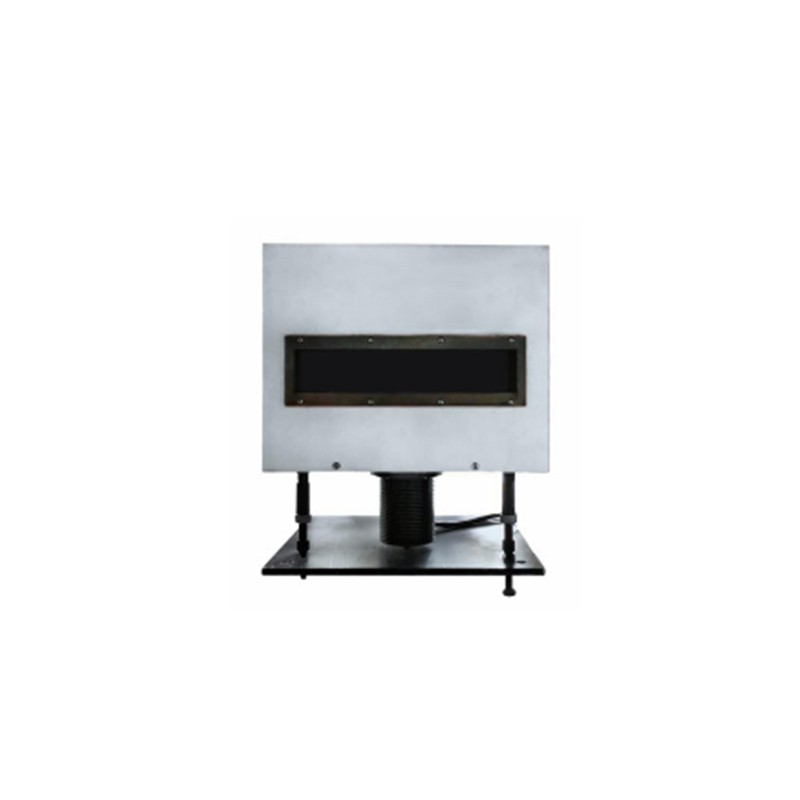
Kiln Shell Infrared Scanning Temperature Measurement System
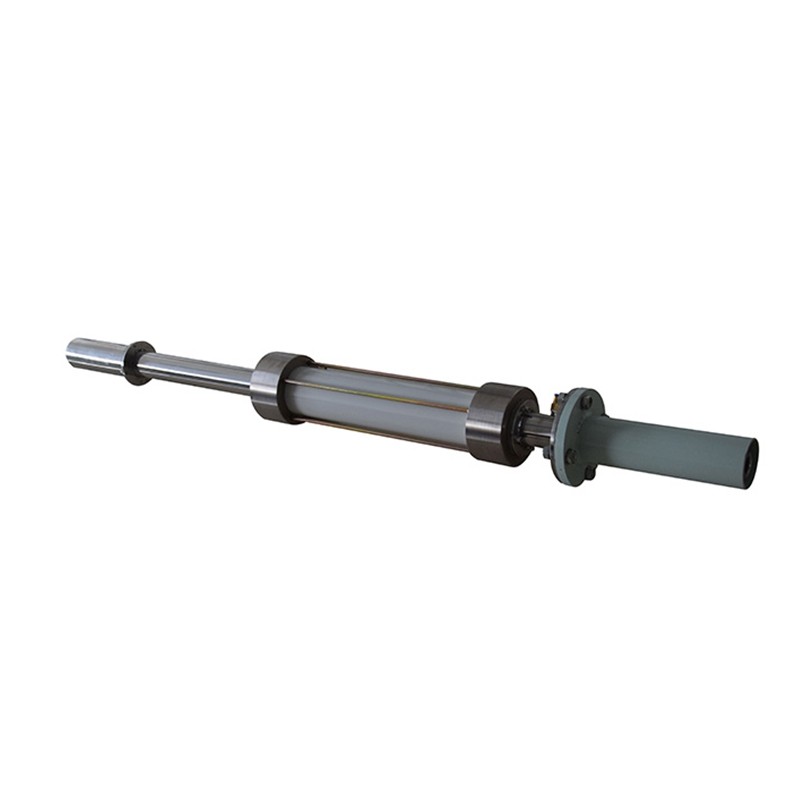
Kiln Tail Flue Gas Chamber Infrared Temperature Measurement System
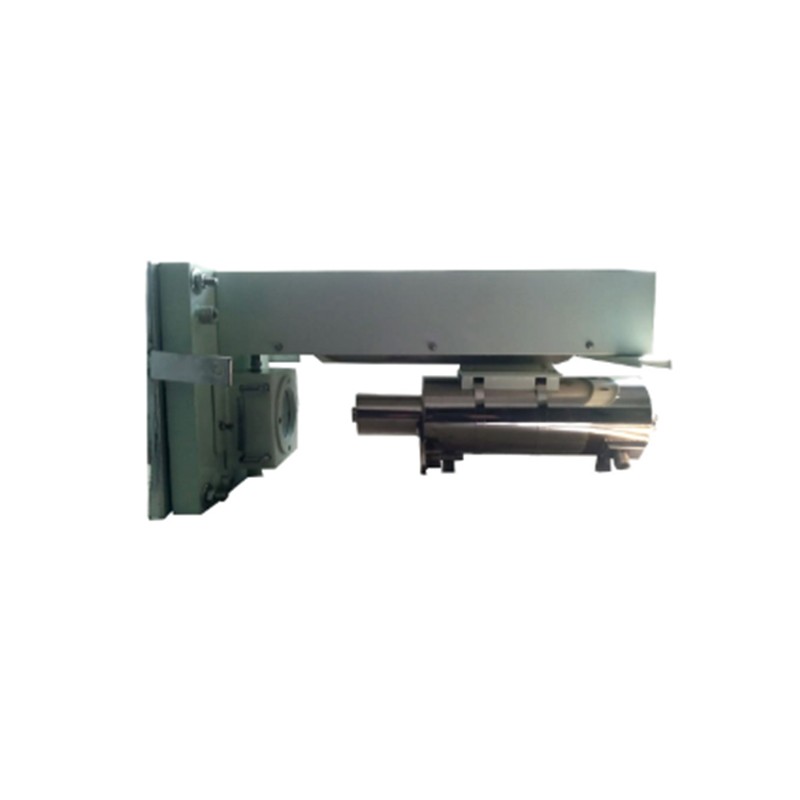
Great Cooler Blanking Camera System for High Temperature Furnaces
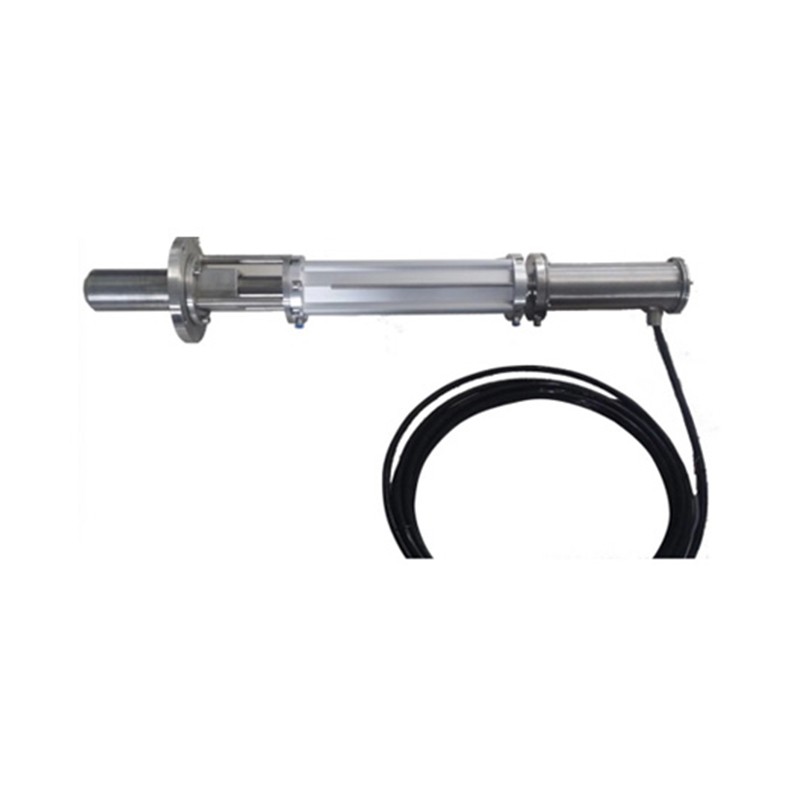
Kiln Head High Temperature Flame Monitoring System
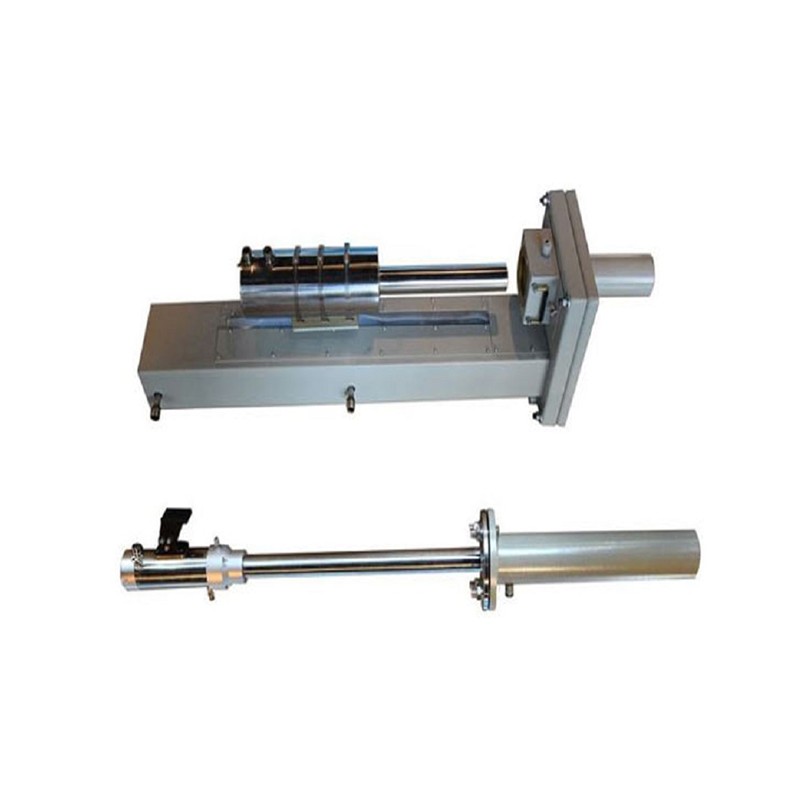
Rotary Kiln Thermographic Monitoring System
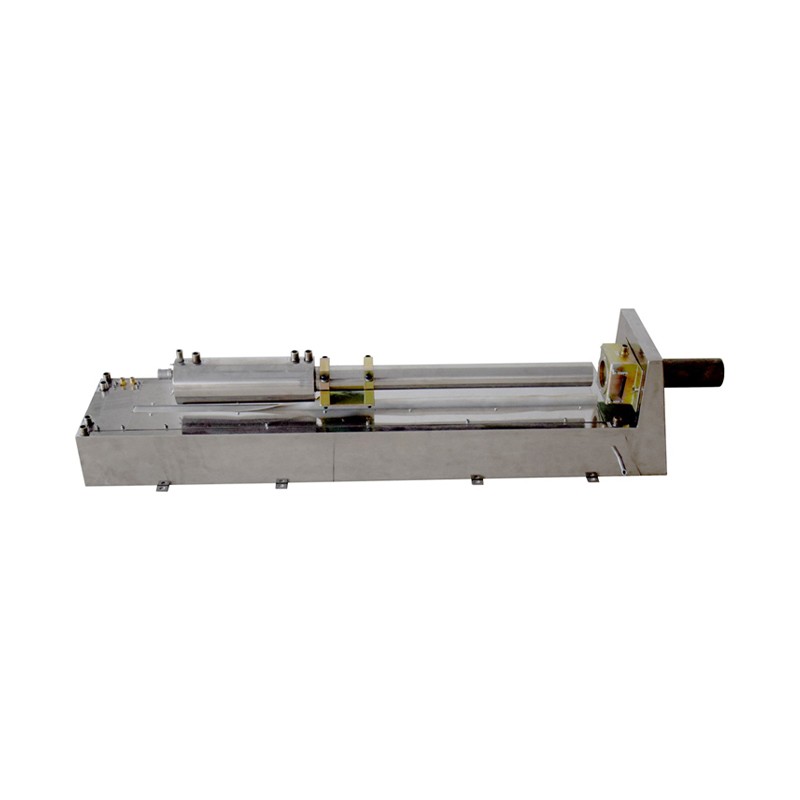
Glass Fiber Kiln Industrial TV System
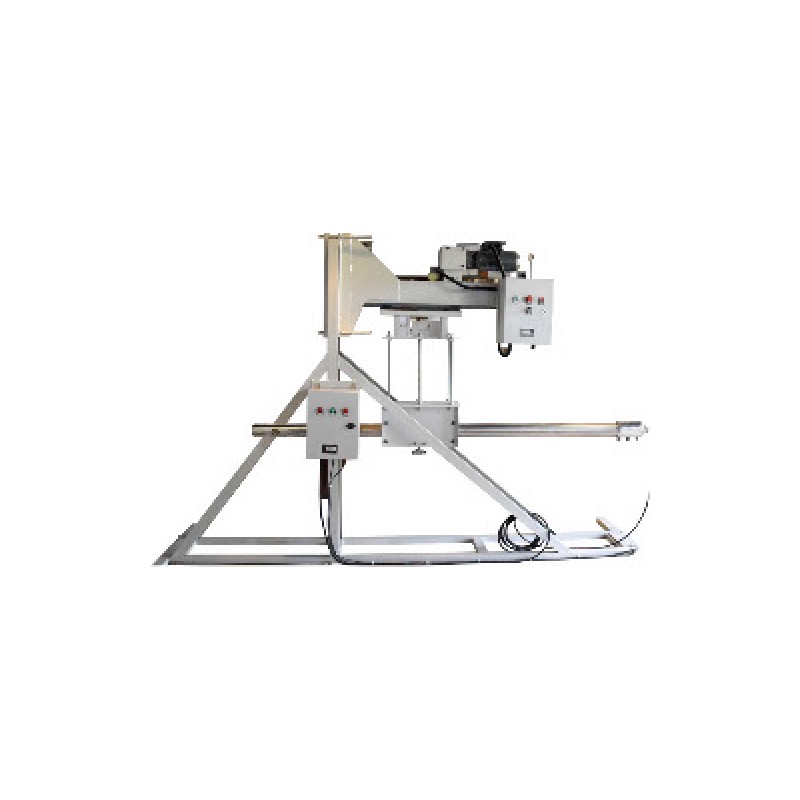
Tin Slot Endoscope High Temperature Industrial Television
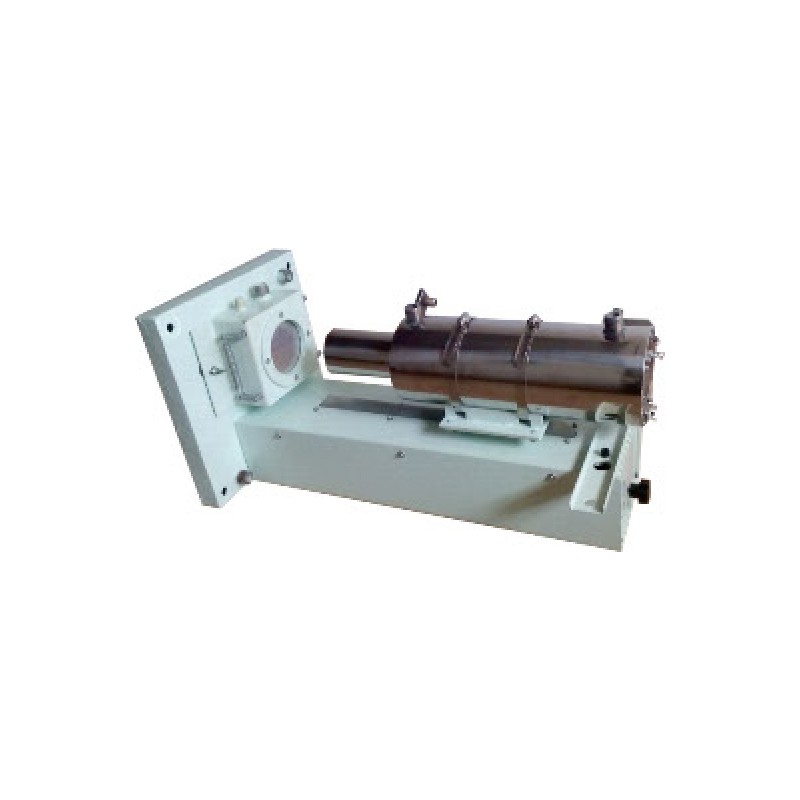
Manual Back Gable High Temperature Industrial CCTV System
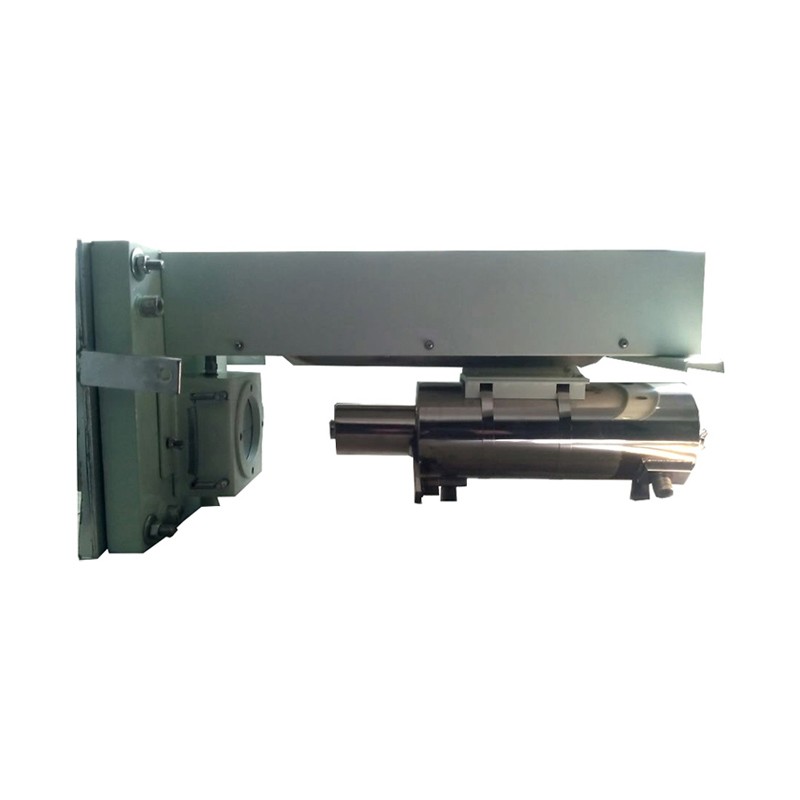
High-Temp Furnace Monitoring Camera | Auto-Retraction Industrial TV System
Recent News
1.Can You Put a Camera in a Kiln? The Complete Guide to Cement Rotary Kiln Monitoring
2025-08-192.Industrial video cameras for the most hazardous environments
2025-08-193.What Are Furnace Cameras and How Do They Work
2025-12-104.Top 10 Best Industrial Uses for Explosion Proof Cameras
2025-12-175.What Is an Explosion-Proof Camera?Complete Guide for 2025
2025-11-216.how furnace cameras monitor high-temperature industrial processes
2025-12-05