



What Are Explosion Proof Cameras?
 Jan 16, 2026|
 View:327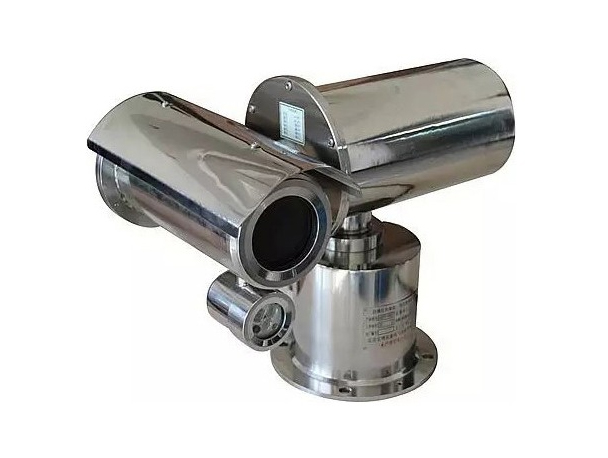
In hazardous industrial environments, safety is not optional—it is mission-critical. When flammable gases, combustible dust, volatile chemicals, or explosive vapors are present, even a tiny spark from electrical equipment can trigger catastrophic consequences. This is exactly where explosion proof cameras come into play.
In this comprehensive guide, we will explore what explosion proof cameras are, how they work, why they are essential, and how different types—such as explosion proof surveillance cameras, explosion proof dome cameras, explosion proof infrared cameras, explosion proof industrial cameras, and explosion proof video cameras—are used across industries. Whether you are an engineer, safety manager, or facility owner, this article will give you a clear, practical understanding of these specialized imaging solutions.
Understanding Explosion Proof Cameras
What Is an Explosion Proof Camera?
An explosion proof camera is a specially engineered imaging device designed to operate safely in hazardous environments where explosive gases, vapors, or dust may be present. Unlike standard cameras, these devices are housed in reinforced enclosures that prevent internal sparks, heat, or electrical faults from igniting the surrounding atmosphere.
In simple terms, an explosion proof camera is not designed to survive an explosion from outside. Instead, it is designed to contain any explosion or ignition that occurs inside the camera housing, ensuring that it does not spread to the external environment.
Why Explosion Proof Cameras Are Necessary
The Hidden Risks in Hazardous Locations
Many industrial sites operate in what are classified as “hazardous areas.” These include:
Oil refineries
Chemical processing plants
Natural gas facilities
Mining operations
Pharmaceutical manufacturing
Grain silos and food processing plants
In these locations, flammable substances are part of daily operations. A conventional camera could easily become an ignition source due to overheating, electrical short circuits, or static discharge. This makes explosion proof surveillance cameras essential for continuous monitoring without compromising safety.
How Explosion Proof Cameras Work
Specialized Housing Design
The core safety feature of an explosion proof video camera lies in its enclosure. These housings are typically made from:
Stainless steel
Aluminum alloy
Hardened, corrosion-resistant metals
The enclosure is thick, sealed, and precisely engineered to withstand internal pressure. If a spark ignites flammable gases inside the camera, the explosion remains contained.
Thermal and Electrical Control
Explosion proof industrial cameras are designed to:
Limit surface temperature
Prevent electrical arcing
Isolate internal components
This ensures compliance with international safety standards while maintaining high-quality video performance.
Explosion Proof vs Intrinsically Safe Cameras
Key Differences Explained
Although often confused, explosion proof cameras and intrinsically safe cameras serve different purposes.
Explosion proof cameras contain explosions within the housing.
Intrinsically safe cameras limit electrical and thermal energy so ignition cannot occur at all.
Explosion proof solutions are typically preferred for fixed surveillance systems where robust, long-term monitoring is required.
Key Standards and Certifications
Global Compliance Requirements
Explosion proof surveillance cameras must meet strict international certifications, such as:
ATEX (Europe)
IECEx (International)
UL & Class/Division (North America)
CNEX (China)
These certifications classify equipment based on gas groups, temperature classes, and hazardous zones, ensuring safe deployment in specific environments.
Types of Explosion Proof Cameras
Explosion Proof Surveillance Camera
An explosion proof surveillance camera is used for real-time monitoring, security, and process control in hazardous zones. These cameras are often integrated with centralized control rooms, allowing operators to observe operations without entering dangerous areas.
They are widely used for:
Perimeter security
Process monitoring
Leak detection
Safety compliance
Explosion Proof Dome Camera
An explosion proof dome camera combines durability with a compact, vandal-resistant design. The dome shape provides a wide field of view and makes it difficult to determine the camera’s exact direction, which enhances security.
Key advantages include:
360-degree or wide-angle coverage
Anti-vandal construction
Clean, unobtrusive design
These cameras are commonly installed in refineries, offshore platforms, and chemical plants.
Explosion Proof Infrared Camera
An explosion proof infrared camera is designed for low-light or zero-light environments. Equipped with IR LEDs or thermal imaging capabilities, these cameras can “see” heat signatures, making them ideal for nighttime monitoring and early fault detection.
Common applications include:
Night surveillance
Fire risk detection
Equipment overheating analysis
In hazardous areas where visibility is often compromised, infrared capability is a game changer.
Explosion Proof Industrial Camera
An explosion proof industrial camera is built for process monitoring rather than security alone. These cameras are often integrated into automation systems and are used to observe production lines, reactors, pipelines, and machinery.
They provide:
High-resolution imaging
Continuous operation in extreme conditions
Integration with SCADA and PLC systems
Explosion Proof Video Camera
An explosion proof video camera focuses on delivering high-quality, continuous video feeds in real time. These cameras often support:
HD or 4K resolution
Network (IP) connectivity
Remote monitoring and recording
They are critical for incident investigation, operational optimization, and regulatory compliance.
Key Features of Explosion Proof Cameras
Rugged Construction
Explosion proof cameras are designed to withstand:
Extreme temperatures
High humidity
Corrosive chemicals
Mechanical vibration
This makes them suitable for the harshest industrial environments.
High-Quality Imaging
Modern explosion proof surveillance cameras offer:
HD and ultra-HD resolution
Optical zoom capabilities
Wide dynamic range (WDR)
Safety no longer comes at the expense of image clarity.
Remote Monitoring and Control
Many explosion proof video cameras support IP networking, allowing operators to:
Monitor sites remotely
Adjust camera angles
Zoom and focus in real time
This reduces the need for personnel to enter hazardous zones.
Common Applications of Explosion Proof Cameras
Oil and Gas Industry
From offshore drilling platforms to refineries, explosion proof industrial cameras play a vital role in monitoring critical processes and detecting leaks before they escalate.
Chemical and Petrochemical Plants
In environments filled with volatile chemicals, explosion proof dome cameras provide safe, continuous surveillance of reactors, storage tanks, and pipelines.
Mining Operations
Dust and combustible gases make mining one of the most dangerous industries. Explosion proof infrared cameras help monitor underground operations and detect overheating equipment.
Pharmaceutical Manufacturing
Explosion proof surveillance cameras ensure compliance, quality control, and safety in environments where volatile solvents are frequently used.
Food and Grain Processing
Combustible dust explosions are a serious risk in grain silos. Explosion proof cameras help monitor storage and processing areas safely.
Benefits of Using Explosion Proof Cameras
Enhanced Safety
The primary benefit is obvious: reduced risk of explosions caused by monitoring equipment.
Regulatory Compliance
Using certified explosion proof cameras helps facilities meet safety regulations and avoid costly fines or shutdowns.
Operational Efficiency
Remote monitoring minimizes downtime, reduces manual inspections, and improves overall productivity.
Long-Term Cost Savings
While the initial investment may be higher, explosion proof surveillance cameras reduce accident-related costs and equipment damage in the long run.
Choosing the Right Explosion Proof Camera
Assess the Hazardous Area Classification
Always determine the gas group, temperature class, and zone rating before selecting an explosion proof video camera.
Define Your Monitoring Objectives
Are you focused on security, process monitoring, or thermal detection? The answer will guide whether you need a dome, infrared, or industrial camera.
Consider Environmental Conditions
Corrosive atmospheres, extreme temperatures, and vibration levels should influence your camera selection.
Future Trends in Explosion Proof Camera Technology
AI and Intelligent Analytics
Modern explosion proof industrial cameras are increasingly integrated with AI-powered analytics for:
Automatic anomaly detection
Predictive maintenance
Real-time alerts
Higher Resolution and Smarter Sensors
The future of explosion proof surveillance cameras lies in smarter, sharper, and more connected imaging systems.
Final Thoughts: Why Explosion Proof Cameras Matter
Explosion proof cameras are not just monitoring tools—they are safety enablers. Whether it is an explosion proof dome camera protecting a refinery perimeter or an explosion proof infrared camera detecting overheating equipment, these devices play a critical role in preventing disasters.
By investing in the right explosion proof surveillance camera or explosion proof industrial camera, businesses protect not only their assets but also their people. In high-risk environments, seeing clearly and safely is not a luxury—it is a necessity.
Recommended Products
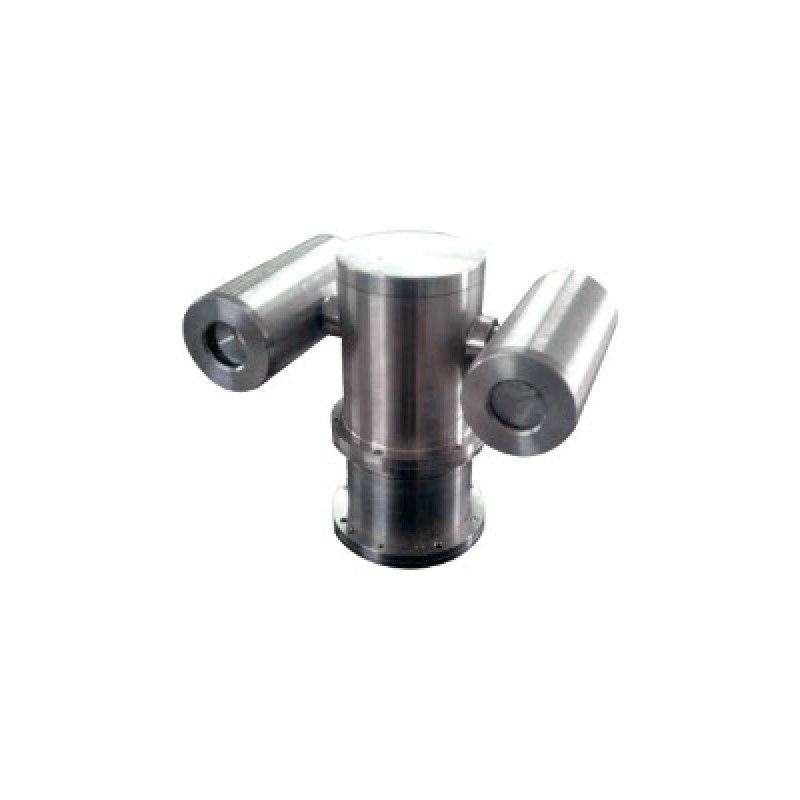
Integrated Explosion Proof Security Camera Systems for Hazardous Areas
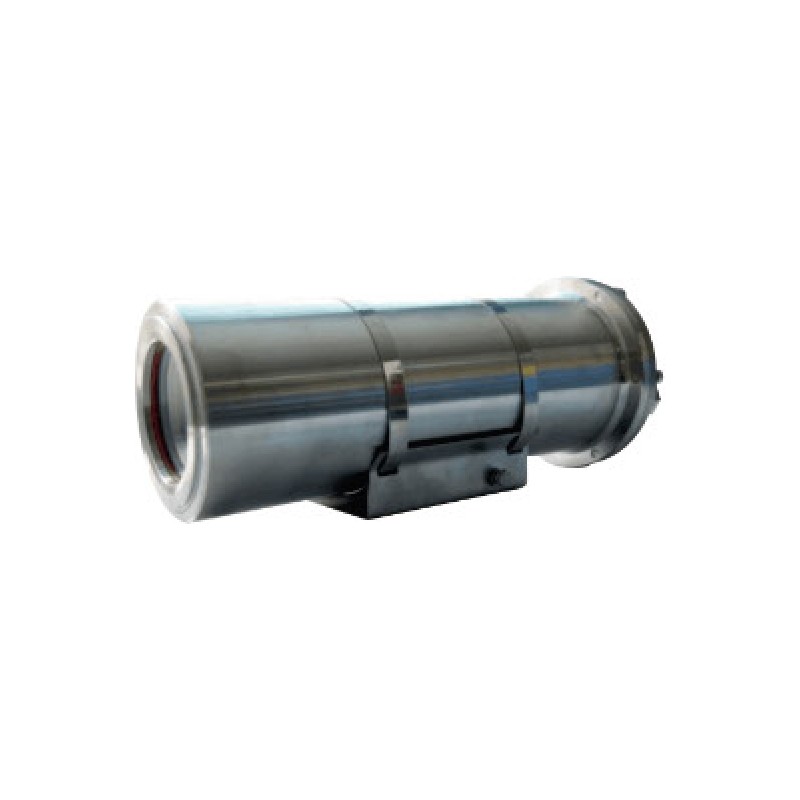
ip68 explosion proof infrared thermal imager for fire identification
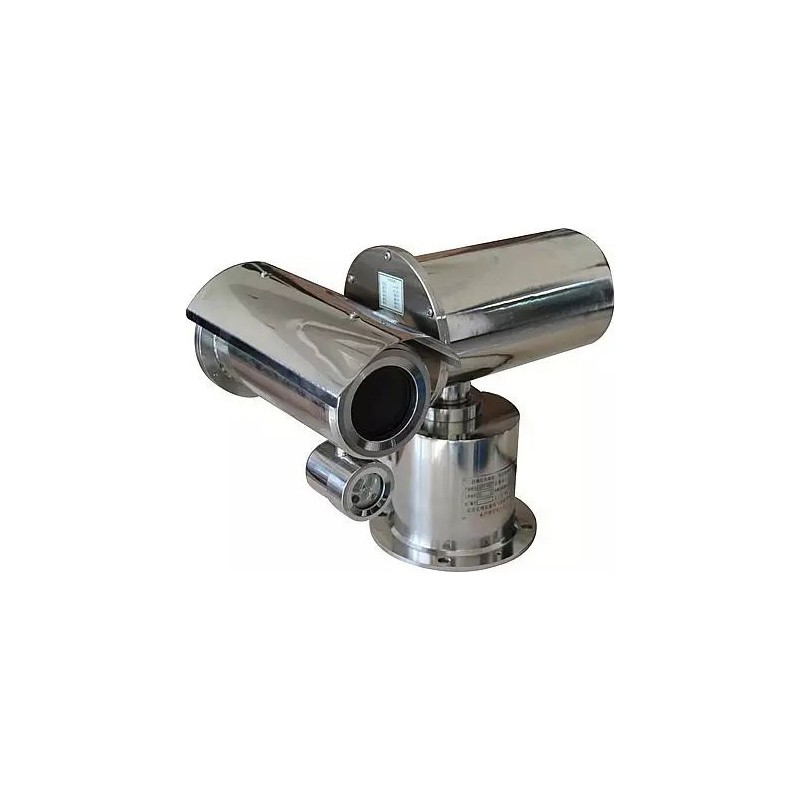
Explosion proof CCTV Camera丨Integrated Infrared Network Series
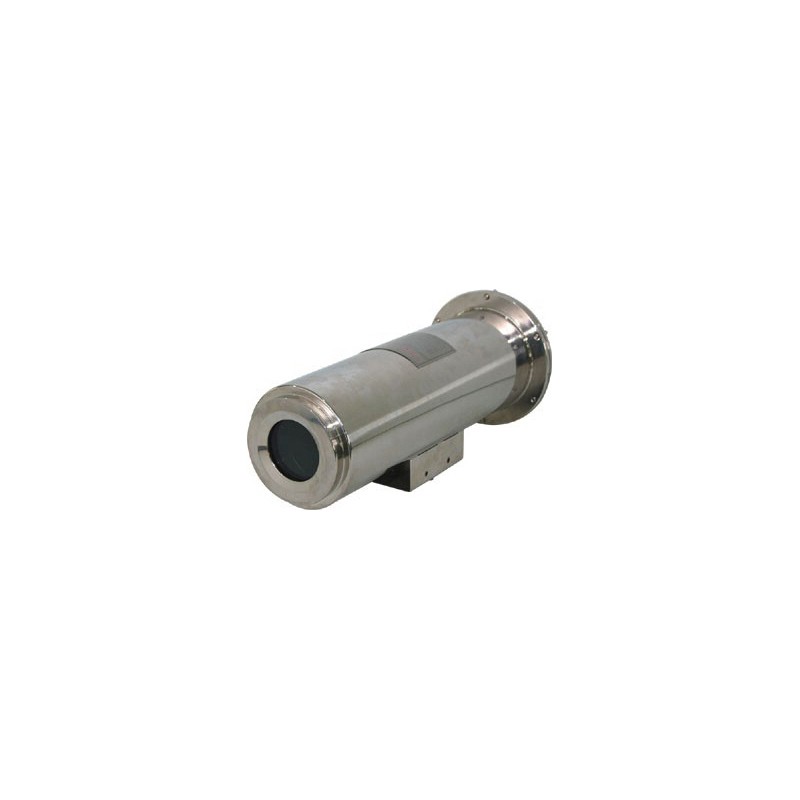
Explosion proof camera housing
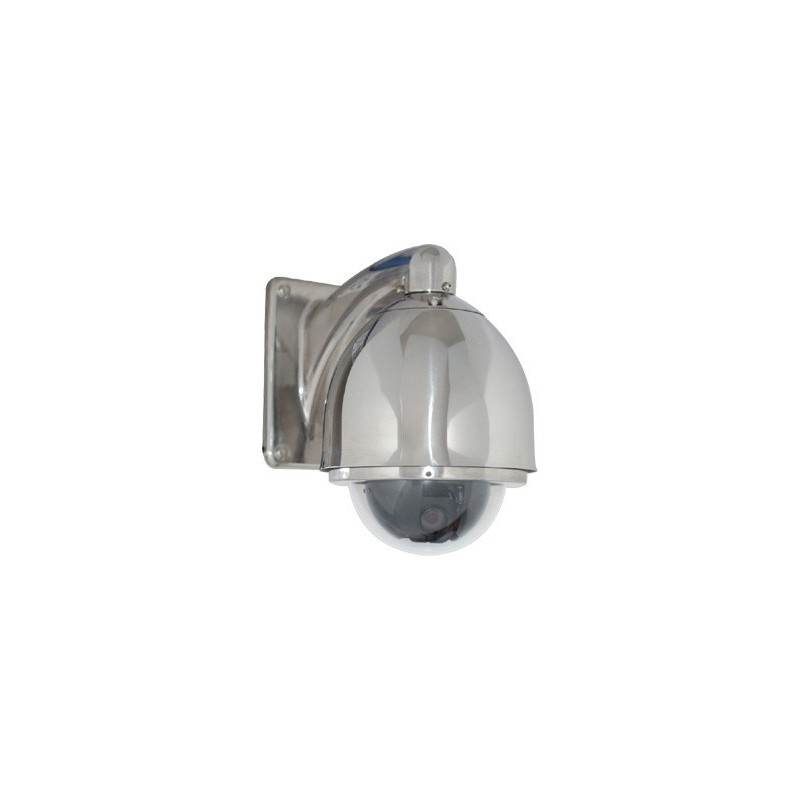
High-Speed Explosion Proof Dome Camera (PTZ Series)
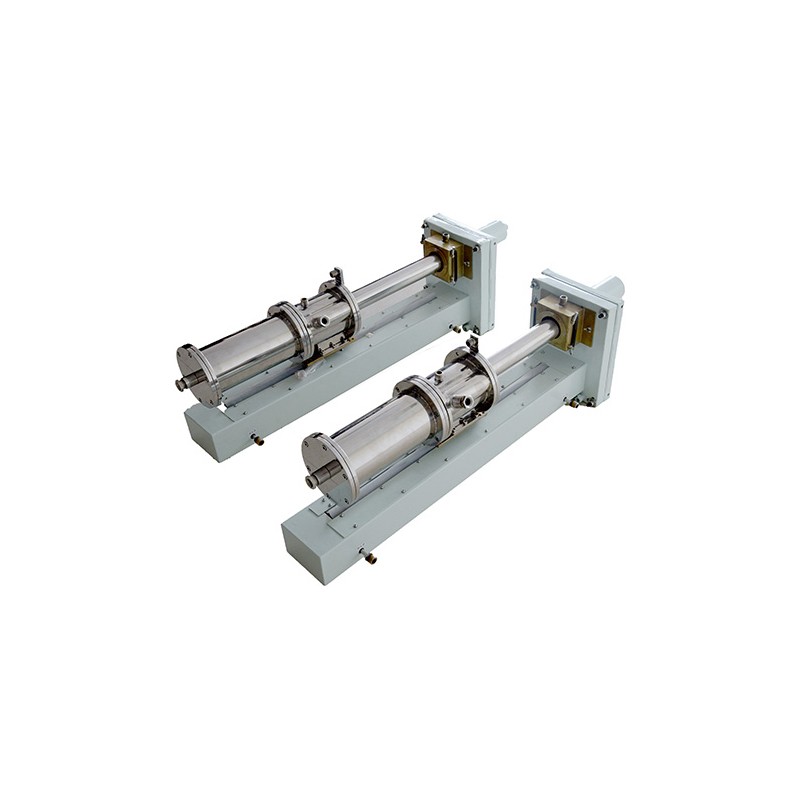
Endoscopic 360 ° Rotatable High Temperature Explosion Proof Industrial TV system
Recent News
1.What Are Furnace Cameras and How Do They Work
2025-12-102.Top 10 Best Industrial Uses for Explosion Proof Cameras
2025-12-173.What Is an Explosion-Proof Camera?Complete Guide for 2025
2025-11-214.High Temperature Cameras for Furnaces and Industrial Applications
2025-11-105.Industrial video cameras for the most hazardous environments
2025-08-196.Can You Put a Camera in a Kiln? The Complete Guide to Cement Rotary Kiln Monitoring
2025-08-197.What Is an Explosion Proof CCTV Camera and How Does It Work
2026-01-08