



Can You Put a Camera in a Kiln? The Complete Guide to Cement Rotary Kiln Monitoring
 Aug 19, 2025|
 View:55
Installing cameras inside industrial kilns, especially cement rotary kilns operating at extreme temperatures, presents unique engineering challenges. Yet modern thermal imaging and refractory monitoring systems have made it not only possible but essential for optimizing production and preventing costly downtime. This comprehensive guide explores the specialized camera technologies that withstand kiln environments while delivering critical visual data for process control and safety.
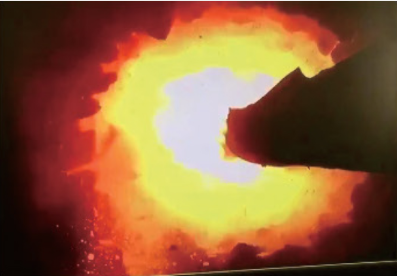
Difficulties in Kiln Camera Installation
Cement rotary kilns represent one of the most hostile environments for electronic equipment, with internal temperatures reaching 2000°C in the burning zone. Standard cameras would fail instantly under such conditions due to:
Extreme heat: Components melt or degrade above 150°C without protection
Thermal shock: Rapid temperature fluctuations crack lenses and housings
Abrasive dust: Cement raw meal and clinker particles scour unprotected surfaces
Chemical corrosion: Alkali vapors attack electronic components
Mechanical stress: Kiln rotation and material movement cause vibration
To overcome these challenges, specialized kiln camera systems incorporate multiple protective features that allow continuous operation even in the most severe conditions.
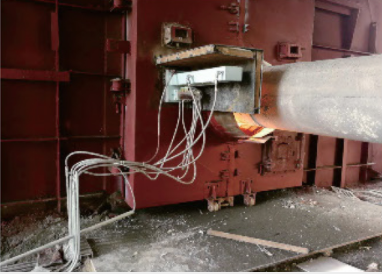
Why Put a Camera in a Cement Rotary Kiln?
Cement rotary kilns are the heart of cement manufacturing, where raw materials are heated to form clinker, the key ingredient in cement. The process relies on precise temperature control, proper material flow, and intact refractory linings (heat-resistant materials that line the kiln interior). Without visibility into the kiln’s interior, operators are forced to rely on indirect measurements, which can lead to inefficiencies, unplanned shutdowns, or even safety risks.
A cement rotary kiln camera addresses this by providing real-time visual data from inside the kiln. This allows operators to:
Monitor the flame shape and position, ensuring optimal fuel combustion and temperature distribution.
Track material movement, identifying blockages or uneven flow that could disrupt production.
Inspect the condition of the refractory lining, detecting cracks, wear, or hotspots before they cause major damage.
Respond quickly to anomalies, such as sudden temperature spikes or equipment malfunctions.
In short, these cameras turn a “black box” process into a visible, manageable operation, directly impacting a plant’s bottom line through reduced energy waste and downtime.
How Do Kiln Cameras Survive Extreme Conditions?
The secret to a kiln camera’s durability lies in its specialized design. Unlike standard industrial cameras, which would melt or fail within minutes in a kiln environment, cement rotary kiln cameras are engineered with three key features:
High-Temperature Protection: Most kiln cameras are mounted in a cooled housing, often using water or air cooling systems to keep the camera’s internal components at a safe operating temperature (typically below 50°C/122°F). Some models use heat-resistant materials like stainless steel or ceramic for the camera lens housing, allowing them to withstand direct exposure to radiant heat.
Dust and Gas Resistance: Kilns produce massive amounts of dust and corrosive gases (such as sulfur dioxide). Kiln cameras are sealed with robust gaskets and filters to prevent particulate matter from entering the lens or internal electronics. Air-purging systems—where a continuous stream of clean air is directed at the lens—keep the view unobstructed by dust buildup.
Vibration and Rotation Tolerance: Since rotary kilns rotate slowly (usually 0.5–2 revolutions per minute), cameras must be mounted to withstand constant vibration. Shock-absorbent mounts and ruggedized casings ensure the camera remains stable and functional, even in this dynamic environment.
These design elements allow kiln cameras to operate reliably in conditions that would destroy conventional equipment, providing 24/7 visibility into the kiln’s interior.
The Role of Kiln Refractory Monitoring
The refractory lining of a cement rotary kiln is its first line of defense against extreme heat. Made from materials like alumina or magnesia, these linings protect the kiln’s steel shell from melting and reduce heat loss. However, over time, refractories wear down due to thermal stress, mechanical abrasion, and chemical reactions with the materials being processed. If left unchecked, a damaged refractory can lead to:
Heat damage to the kiln shell, requiring costly repairs.
Reduced energy efficiency, as heat escapes through cracks.
Safety hazards, such as leaks of hot gases or materials.
Unplanned shutdowns, which can cost cement plants thousands of dollars per hour.
This is where kiln refractory monitoring, often integrated with rotary kiln cameras, becomes critical. Advanced systems use a combination of visual data from cameras and thermal imaging to:
Detect hotspots on the refractory surface, which indicate thinning or cracks.
Measure refractory thickness over time, predicting when replacements will be needed.
Map wear patterns, helping operators adjust kiln operations to reduce uneven degradation.
Alert operators to urgent issues, such as a sudden breakthrough in the lining.
By combining visual inspections with thermal analysis, these systems provide a comprehensive view of refractory health, allowing for proactive maintenance and extending the lining’s lifespan.
Benefits of Cement Rotary Kiln Cameras for Operations
Installing a camera in a cement rotary kiln delivers tangible benefits across multiple areas of plant operations:
Energy Savings: By monitoring flame efficiency and temperature distribution, operators can adjust fuel usage to avoid overheating, reducing energy consumption by up to 5% in some cases.
Reduced Downtime: Early detection of refractory damage or material flow issues allows for planned maintenance, minimizing unplanned shutdowns. One study found that kiln cameras reduced downtime by an average of 30 hours per year.
Improved Safety: Real-time visibility into the kiln interior helps identify potential hazards, such as gas leaks or flame instability, before they escalate into accidents.
Consistent Product Quality: Stable temperature and material flow conditions—maintained through camera monitoring—ensure consistent clinker quality, reducing waste and rework.
For cement plants operating in competitive markets, these benefits translate directly to higher profitability and sustainability.
Choosing the Right Kiln Camera System
Not all kiln cameras are created equal. When selecting a system for a cement rotary kiln, consider the following factors:
Temperature Rating: Ensure the camera can withstand the kiln’s operating temperatures, including peak conditions during startup or upset events.
Image Quality: High-resolution (HD or better) imaging is essential for detecting small cracks in refractories or subtle changes in flame shape.
Reliability and Maintenance: Choose cameras with easy-to-replace components (like lenses or filters) and low maintenance requirements, as accessing the kiln for repairs is time-consuming.
Support and Service: Opt for manufacturers with a track record in the cement industry, offering technical support and training for operators.
Modern kiln camera systems have definitively answered "yes" to whether cameras can operate in cement rotary kilns—with qualifications. Through ingenious engineering combining robust materials, advanced cooling, and intelligent safety systems, today's monitoring solutions provide unprecedented visibility into kiln operations. From infrared refractory scanning to high-definition internal imaging, these technologies have become indispensable tools for cement producers seeking to optimize processes, extend equipment life, and maintain safe operations.
When selecting a kiln monitoring system, plants should consider their specific needs for resolution, temperature range, refractory analysis capabilities, and integration requirements. With proper selection, installation, and maintenance, kiln cameras deliver valuable operational insights that far outweigh their costs—transforming one of industry's most hostile environments into a digitally observable and controllable process.