



Industrial video cameras for the most hazardous environments
 Aug 19, 2025|
 View:17
In industrial settings where flammable gases, dust, or volatile chemicals are present, even a tiny spark can trigger catastrophic explosions. This is where explosion-proof cameras emerge as indispensable guardians, providing critical surveillance while withstanding the harshest and most dangerous conditions. These specialized industrial video cameras are engineered to prevent ignition sources from escaping into hazardous atmospheres, ensuring continuous monitoring without compromising safety.
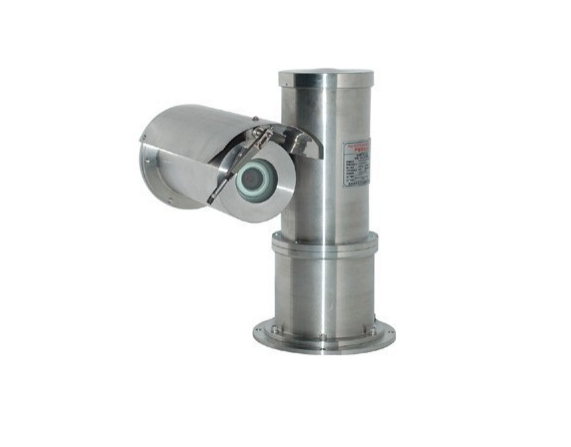
The Core Principles of Explosion-Proof Cameras
In contrast to regular CCTV cameras, explosion-proof cameras are produced with two key functions in mind – to stifle internal sparks or heat, and to protect the camera from external forces that might damage it. This combined protection force is built and engineered for maximum impact.
Usually, the shelter of the explosion-proof camera is made using durable materials like cast aluminum, stainless steel, or copper-free aluminum alloys. They are selected for their resistance to heat, pressure and corrosion. The housing is machined to very tight tolerances and has flame paths (small gaps that cool and snuff out any fire that escapes the interior of the camera and avoids ignition of the ambient atmosphere.)
Explosion proof cameras have internal components designed to prevent sparking. Motors, capacitors, and other electrical parts are rated for hazardous locations for operation at reduced temperatures and for the prevention of arcing. Furthermore, many models have cooling systems for heat to escape to prevent the camera from igniting.
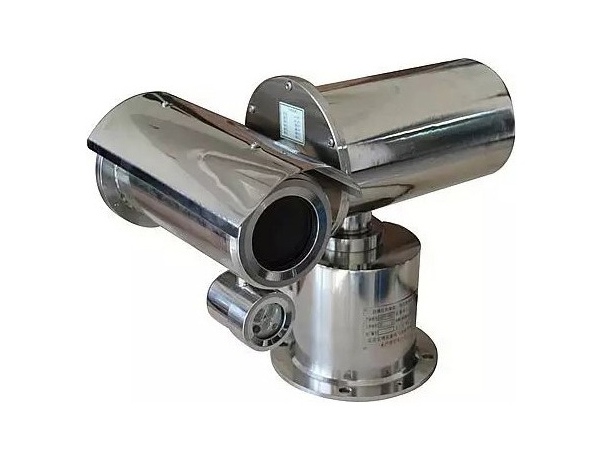
Key Certifications and Standards
Explosion-proof cameras are required to meet strict international standards to maintain reliability in potentially dangerous environments. Some of the more common certifications are ATEX (European Union), IECEx (International Electrotechnical Commission) and UL (Underwriters Laboratories) in the United States.
ATEX certification classifies equipment according to the type of potentially explosive atmosphere in which it can be used safely: for gaseous atmospheres: Zone 0, 1, 2 and for dust atmospheres: zone 20, 21, 22. Explosion-proof cameras should indicate the zones that they are certified for, to confirm that they are used where suitable.
IECEx certification is a global level allowing manufacturers to certify their products one time for worldwide use. That makes international trade simpler and keeps safety benchmarks consistent across borders. UL listings (e.g. UL 1203 for hazardous locations) are recognized throughout North America and other areas, offering further confidence of safety and quality.
Applications in Hazardous Environments
Explosion-Proof Cameras are used in various industries which are exposed to dangerous substance. In the oil and gas sector, they are employed in refineries, offshore platforms and pipelines to oversee emissions, identify leaks and maintain acceptance to safety standards. These cameras are undeterred exposure to combustible hydrocarbons, and harsh weather, delivering continuous monitoring in remote and hazardous areas.
Explosion-proof cameras provide crucial surveillance of reactors, storage tanks and mixing areas in chemical plants. Real-time video footage helps operators spot leaks, overheating and equipment breakdowns early, before they grow into disasters. The cameras are also used to monitor compliance with stringent environmental and safety regulations.
Explosion-proof cameras are used in the pharmaceutical industry for applications like the presence of flammable solvents or dust during drug manufacture. They are designed to allow clear views from within the controlled environment, so materials are handled accordingly, and aseptic conditions are preserved. The cameras' ability to keep these explosives under control allows them to be used in food processing plants that work with combustible dusts, for example flour or sugar, thereby preventing potential dust explosions and keeping those at risk safe.
Explosion proof surveillance cameras also support mining activities by observing underground shafts, processing facilities and storage facilities. This also enables the light to survive in mining environments with dust, wetness and potential gas leaks and to keep workers safe plus keep productivity strong.
Advanced Features for Enhanced Performance
Nowdays, explosion-proof cameras have a lot of advanced features which help them to work in dangerous enviroment. Operators will be able to detect minimal temperature change or movement which could betray dangers, thanks to high-resolution imaging, including 4K and thermal imaging. For one, thermal cameras can be used to locate overheating equipment or hidden leaks that are otherwise undetectable by eye.
Some models have built-in analytics like motion detection, facial recognition and object tracking. These capabilities also enable automated alerts related to anomalous activity, equipment failure, or unauthorized access to ensure the quick response to any potential threat. Integration with a VMS adds an additional layer of surveillance solutions to allow all surveillance footage to be centrally controlled and stored, analyzed, and reviewed at later times.
Explosion-proof cameras can be installed in extremely remote areas using wireless transmission methods such as Wi-Fi and the cellulary network. This modularity guarantees full coverage of even the most challenging environments. Also, toughened designs with high ingress protection (IP) ratings keep the cameras functioning in dusty, wet or corroding environments.
Installation and Maintenance Considerations
Proper installation is critical to the performance of explosion-proof cameras in hazardous environments. They must be mounted in accordance with manufacturer guidelines and applicable safety standards, ensuring secure attachment and proper alignment with the surveillance area. Electrical connections must be made using explosion-proof fittings and conduits to prevent the escape of sparks or heat.
Regular maintenance is also essential to ensure the longevity and reliability of these cameras. Inspections should include checking for damage to the housing, verifying the integrity of flame paths, and testing electrical components for signs of wear or corrosion. Cleaning the camera lenses and sensors helps maintain image quality, especially in dusty or dirty environments.
It is important to work with trained professionals for installation and maintenance, as improper handling can compromise the explosion-proof rating of the equipment. Many manufacturers offer training programs and certification for technicians, ensuring that service is performed to the highest standards.
The Future of Explosion-Proof Cameras
Explosion-proof cameras are likely to become more refined as technology progresses. AI and machine learning systems will provide more precise hazard detection with cameras that can anticipate potential failures before they happen. Extend with IoT Internet of Things (IoT) integration will facilitate the smooth flow of information between cameras and all other safety systems in increasingly more intelligent and responsive industrial environments.
Miniaturization of devices could also result in reduced-size explosion-proof cameras that would be useful in confined locations or on moving vehicles, it says. Enhanced energy efficiency will provide longer battery life-time for wireless units when re-charging is difficult in the field.
In conclusion, explosion-proof cameras play a vital role in ensuring safety and efficiency in the most hazardous industrial environments. By combining robust construction, advanced technology, and adherence to strict standards, these cameras provide reliable surveillance where standard equipment would fail. As industries continue to prioritize safety and regulatory compliance, the demand for high-quality explosion-proof cameras will only grow, driving further innovation in this critical field.