



What Are Furnace Cameras and How Do They Work
 Dec 10, 2025|
 View:42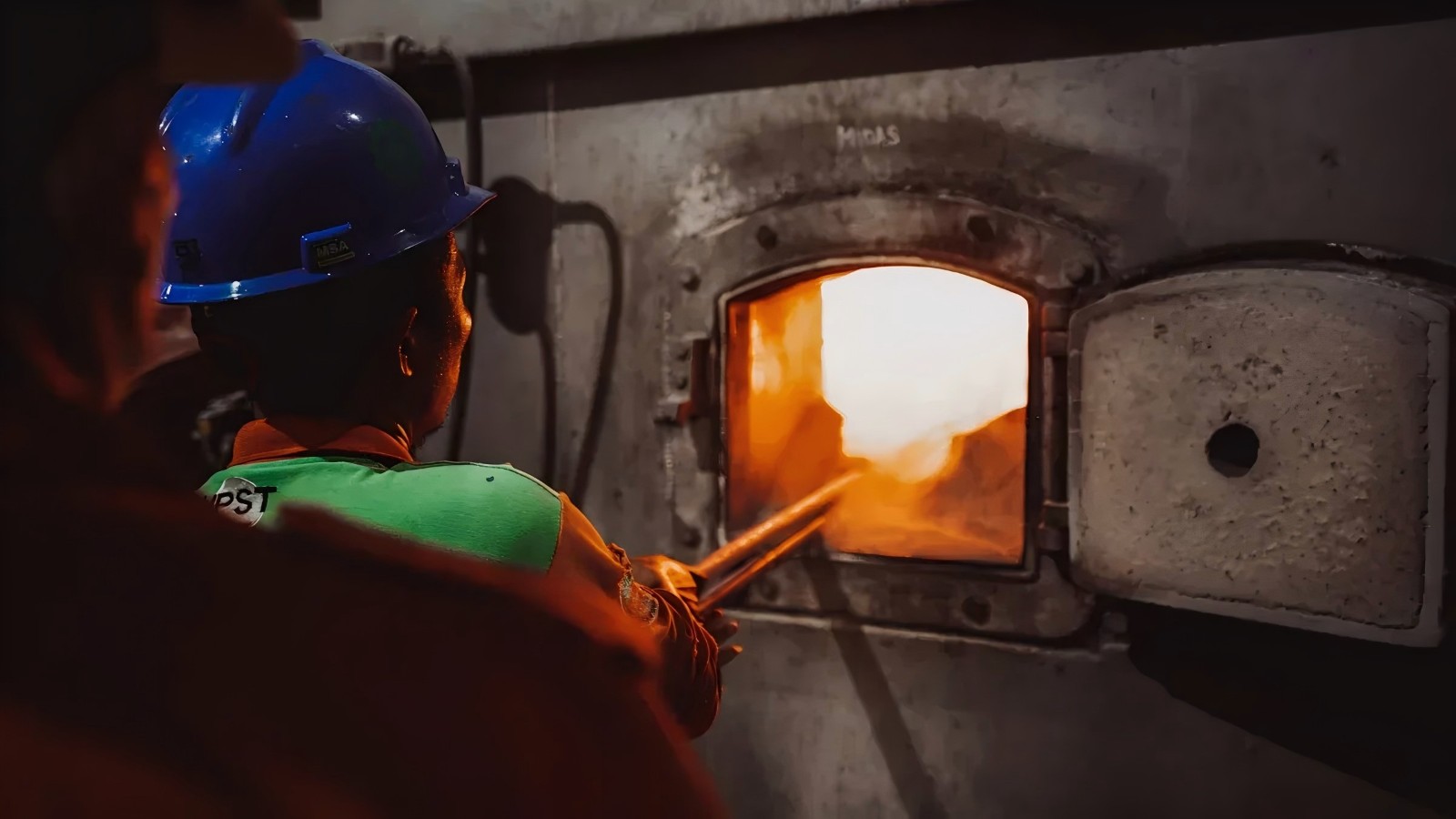
High-temperature furnace cameras enable real-time visual monitoring inside extreme industrial environments. Advanced systems utilize durable stainless steel probe hoods equipped with sapphire heat-resisting lenses and spiral air curtain technology to prevent dust accumulation. These industrial monitoring solutions deliver high-definition imaging and optical zoom capabilities, allowing operators to analyze flame stability, combustion efficiency, and material flow without interrupting the production process.
Continuous HD monitoring in extreme temperatures up to 1800°C with automated thermal protection.
Advanced air and water-cooling architectures ensure 24/7 reliability in harsh kiln and furnace environments.
Intelligent automatic probe retraction safeguards equipment during power loss or cooling failures.
Key Takeaways
Modern furnace cameras combine visible light imaging with 27× optical zoom for detailed flame analysis.
Sapphire lenses and specialized vortex cooling systems repel slag and fly ash, maintaining clear visibility.
Seamless integration with DCS and PLC systems allows for centralized remote monitoring and automated alarm responses.
Furnace Camera Technology
High Temperature Furnace Camera Design
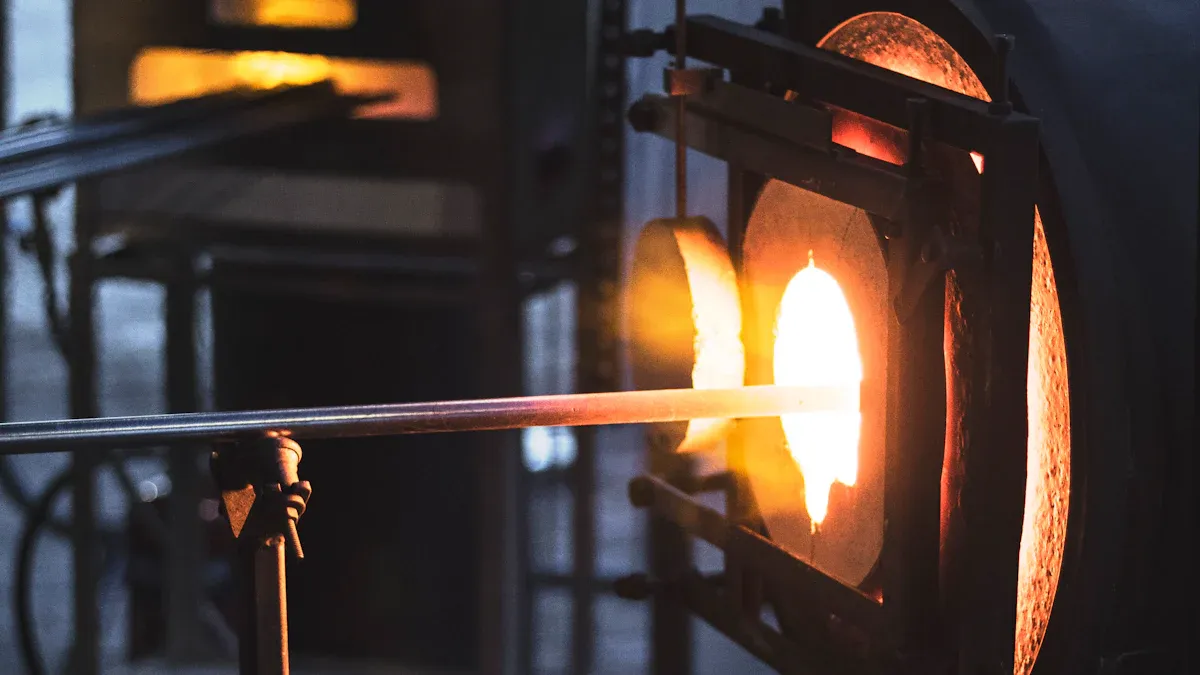
A high-temperature furnace camera system requires robust thermal protection engineering. The probe hood features multi-layer stainless steel construction (utilizing 316L grade for corrosive environments) with dual cooling technology. Compressed air and cooling water systems work in tandem to maintain safe internal operating temperatures, even when the furnace environment exceeds 1800°C.
Engineering Note: The integration of a sapphire heat-resisting lens provides exceptional hardness and chemical resistance against corrosive flue gases, significantly extending the optical component lifespan.
Critical design parameters for industrial furnace camera deployment include:
| Technical Parameter | Specification / Requirement |
|---|---|
| Compressed Air Supply | 0.3 - 0.7 MPa pressure; minimum flow rate of 0.3 m³/min |
| Cooling Water Supply | 0.2 - 0.5 MPa pressure; minimum flow rate of 0.8 m³/h; inlet temp ≤35°C |
| Optical Lens | Sapphire heat-resisting lens with variable focal length (F4-F20) |
| Imaging Resolution | 1920×1080 Full HD with 27× optical zoom (3.6-78mm focal range) |
| Wall Thickness Compatibility | Adjustable exit distance (300-500mm) for walls up to 500mm thick |
| Protection Rating | NEMA 4 (IP66) rated junction boxes for weatherproof and dustproof protection |
Optical Imaging and Detection
Modern furnace monitoring systems utilize advanced optical zoom capabilities rather than standard thermal imaging to provide operators with true-color visual data. The 27× optical zoom enables precise observation of flame shape, stability, and color distribution. Color filter options (red, yellow, or panchromatic) can be applied to pierce through thick smoke, filter specific light wavelengths, and enhance contrast in high-brightness combustion zones.
By capturing high-definition video with a 56dB signal-to-noise ratio, these systems allow for the detection of burner flame patterns, slag formation, and clinker development. The video signals are transmitted to the control room, where operators can utilize electronic zoom and aperture adjustments to conduct detailed analysis without physical intervention.
Automatic Safety Protection Mechanisms
Industrial furnace cameras are equipped with intelligent automatic retraction mechanisms to prevent catastrophic thermal damage. The probe is designed to withdraw from the furnace environment within seconds if any of the following safety thresholds are breached:
Hood temperature rises above the safe operational limit (e.g., 50°C).
Compressed air pressure drops below 0.3 MPa, compromising the air curtain.
Cooling water flow falls below 0.2 m³/h, risking overheating.
Unexpected power failure or emergency stop signals from the control room.
This fail-safe design ensures the longevity of the optical sensors and camera housings, minimizing unplanned downtime and maintenance costs.
Operation and Applications
Industrial Uses Across Sectors
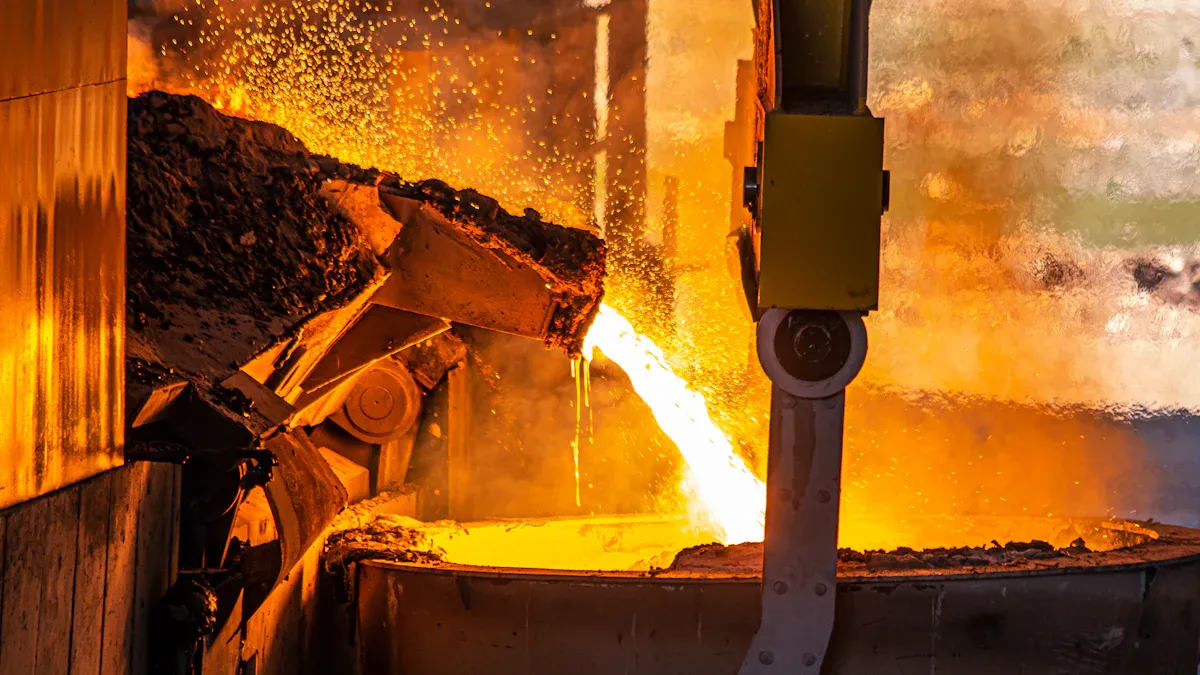
High-temperature flame monitoring systems are critical across diverse heavy industries. Specific configurations are engineered to meet the unique thermal and chemical challenges of different sectors:
| Industry Sector | Specific Monitoring Applications |
|---|---|
| Steel & Metallurgy | Blast furnace tops, reheat furnaces, electric arc furnaces, and continuous casters. High-temperature furnace flame monitoring systems ensure optimal combustion and refractory protection. |
| Cement & Building Materials | Rotary kiln clinker formation and burner flame stability. Kiln head monitoring systems are essential for observing the 1700°C+ burning zone. |
| Waste-to-Energy | Grate combustion and waste feed observation in harsh, corrosive environments. Garbage incinerator TV systems feature enhanced anti-corrosion coatings. |
| Glass & Petrochemical | Melting furnace burner performance, glass melting conditions, and refinery fired heaters. |
Safety Compliance and Certifications
Operating in hazardous environments requires strict adherence to international safety standards. Premium furnace camera systems are engineered to comply with ATEX directives for explosive atmospheres, UL Hazloc standards, and IECEx certifications. For detailed information on our compliance and industry recognitions, please review our certifications and honors.
Maintenance and Process Optimization
Real-time visual data enables predictive maintenance and continuous process optimization. The specialized vortex cooling system creates a high-pressure spiral air curtain that effectively repels slag and fly ash, significantly reducing the frequency of manual lens cleaning.
By integrating with DCS and PLC systems, operators can automate monitoring schedules and receive immediate alarm signals regarding refractory lining wear, slag buildup, or burner tip degradation. To ensure maximum system uptime, regular calibration and preventive maintenance are supported by our comprehensive after-sales services.
Benefits and Durability
Early Problem Detection
The 1920×1080 resolution combined with 27× optical zoom enables the early detection of critical anomalies. Operators can identify millimeter-scale cracks in refractory linings, subtle color changes indicating insulation breakdown, and abnormal flame impingement before they escalate into catastrophic failures.
Facilities utilizing advanced visual monitoring report significant reductions in unplanned downtime. For real-world examples of how these systems improve operational efficiency, explore our successful case studies.
Reliable Performance in Harsh Conditions
Engineered for continuous 24/7 operation, these cameras withstand acidic gas environments, high particulate matter, and extreme radiant heat. The use of 316L stainless steel and heat-resistant cylinders ensures long-term structural integrity.
| Durability Feature | Operational Benefit |
|---|---|
| Sapphire Optical Lens | Resists scratching and chemical corrosion from acidic flue gases (9 Mohs hardness). |
| Dual Cooling Redundancy | Ensures continuous operation even if one cooling medium experiences pressure fluctuations. |
| Automated Retraction | Physically removes the probe from the heat zone during emergencies, preventing sensor destruction. |
| Spiral Air Curtain | Maintains a self-cleaning barrier over the lens, minimizing manual maintenance interventions. |
Upgrading to an automated high-temperature monitoring system transforms furnace management from reactive to proactive. By leveraging HD optical imaging and robust thermal protection, plants can optimize fuel consumption, extend refractory life, and ensure personnel safety.
Frequently Asked Questions (FAQ)
What is the maximum furnace temperature these cameras can monitor?
Our systems are engineered to monitor extreme environments up to 1800°C (such as the LM-NK800G series) and 1700°C (LM-NZ500 series). The probe hood is protected by advanced dual cooling systems, while the sapphire lens withstands intense radiant heat directly.
How does the automatic retraction system protect the camera?
The intelligent control unit continuously monitors hood temperature, air pressure, and water flow. If parameters exceed safe limits (e.g., air pressure drops below 0.3 MPa) or a power failure occurs, a pneumatic or motorized mechanism instantly withdraws the probe out of the furnace wall, preventing thermal damage to the internal imaging components.
Can the lens remain clean in high-dust environments like cement kilns?
Yes. The system utilizes a specialized spiral air curtain design that projects a high-pressure air barrier across the lens surface. This effectively repels slag, fly ash, and dust, maintaining clear 1080P HD visibility without requiring frequent manual cleaning.
Is it possible to integrate the camera system with our existing PLC/DCS?
Absolutely. The camera control units support standard industrial protocols for seamless integration with PLC and DCS infrastructure. This allows for remote aperture control, zoom adjustment, video routing, and the transmission of alarm signals to your central control room.
What maintenance is required for the cooling system?
Maintenance is minimal due to the self-cleaning air curtain. Primary tasks include periodic inspection of the lens tip, checking cooling water and air filters for blockages, and verifying the smooth operation of the automatic retraction mechanism. Detailed maintenance schedules are provided in our technical documentation.
How do I choose between air-cooled and water-cooled models?
Air-cooled systems are suitable for environments with slightly lower radiant heat or where water supply is constrained. Water-cooled (or dual air/water-cooled) systems are mandatory for core combustion zones exceeding 1200°C, such as cement kiln heads and steel reheat furnaces, to ensure optimal heat dissipation.
Recommended Products
Great Cooler Blanking Camera System for High Temperature Furnaces
Kiln Head High Temperature Flame Monitoring System
Ball Clip Type High Temperature Industrial TV System for Furnace Monitoring
Glass Fiber Kiln Industrial TV System
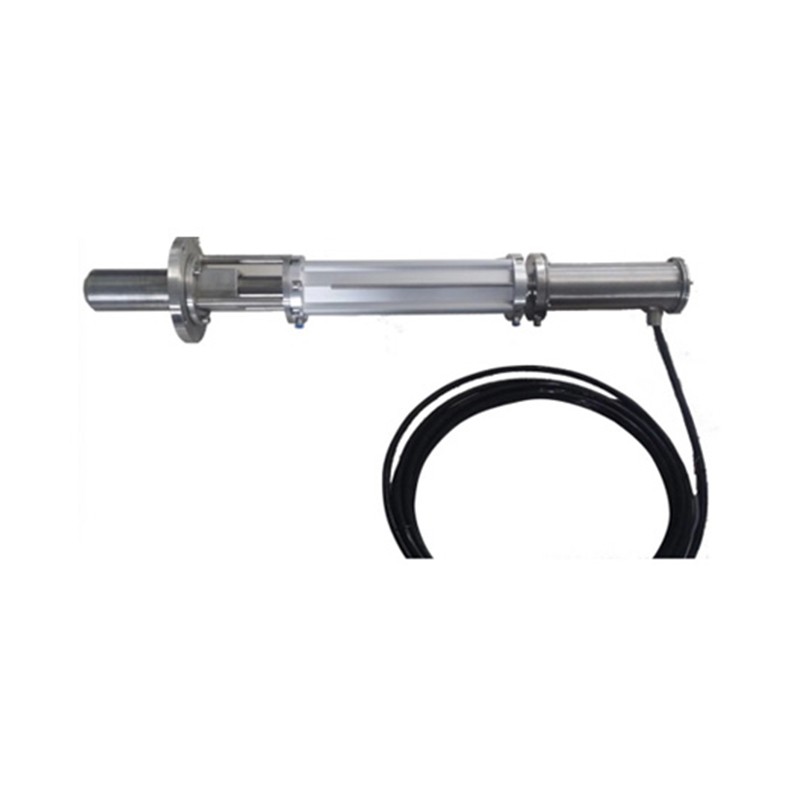
High-Temp Furnace Monitoring Camera | Auto-Retraction Industrial TV System
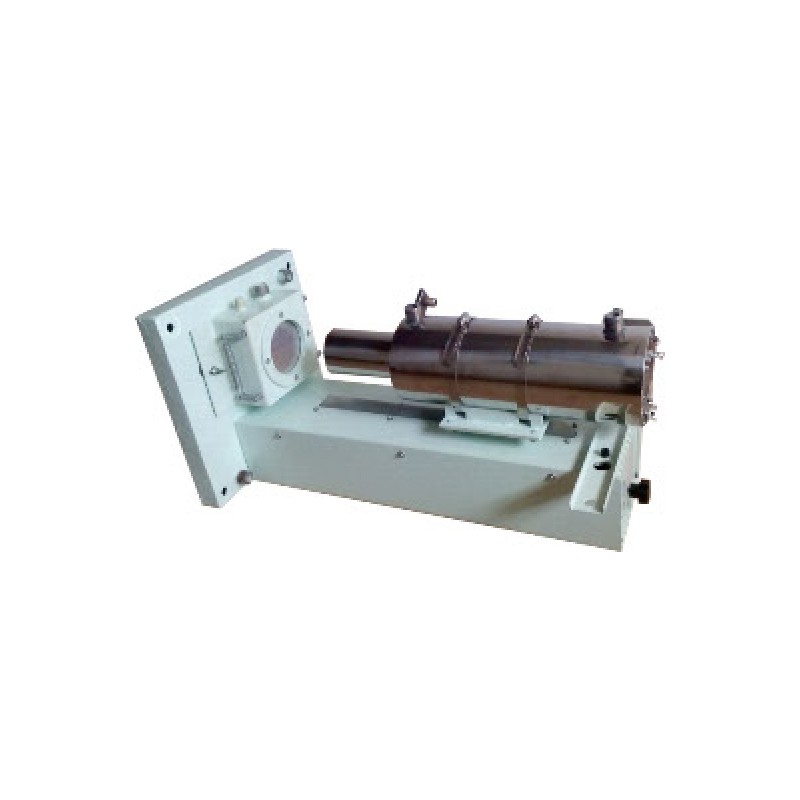
Manual Back Gable High Temperature Industrial CCTV System
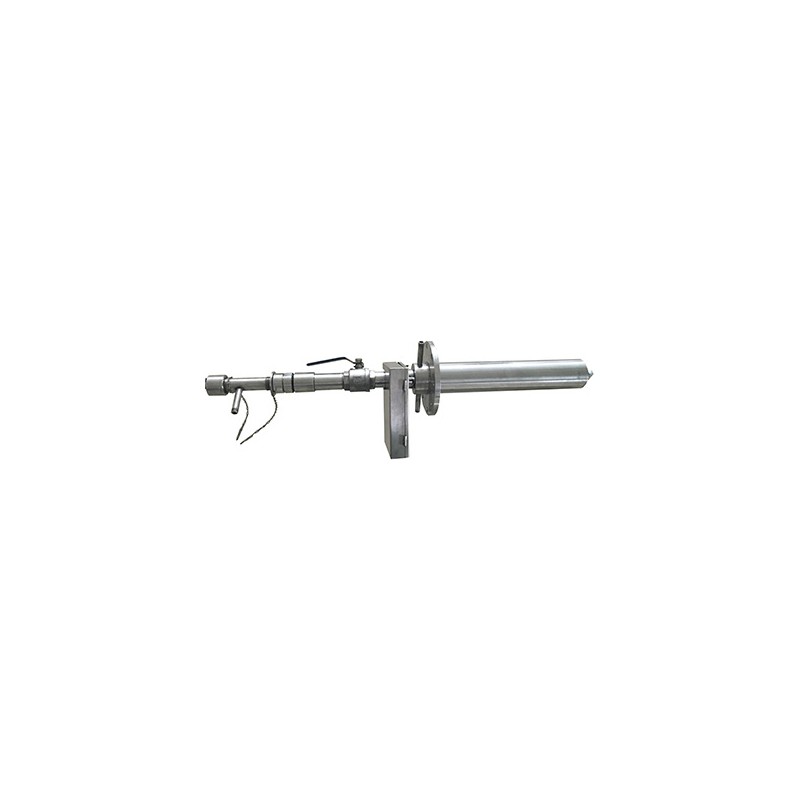
Blast Furnace Top Thermal Imaging System for steel industry
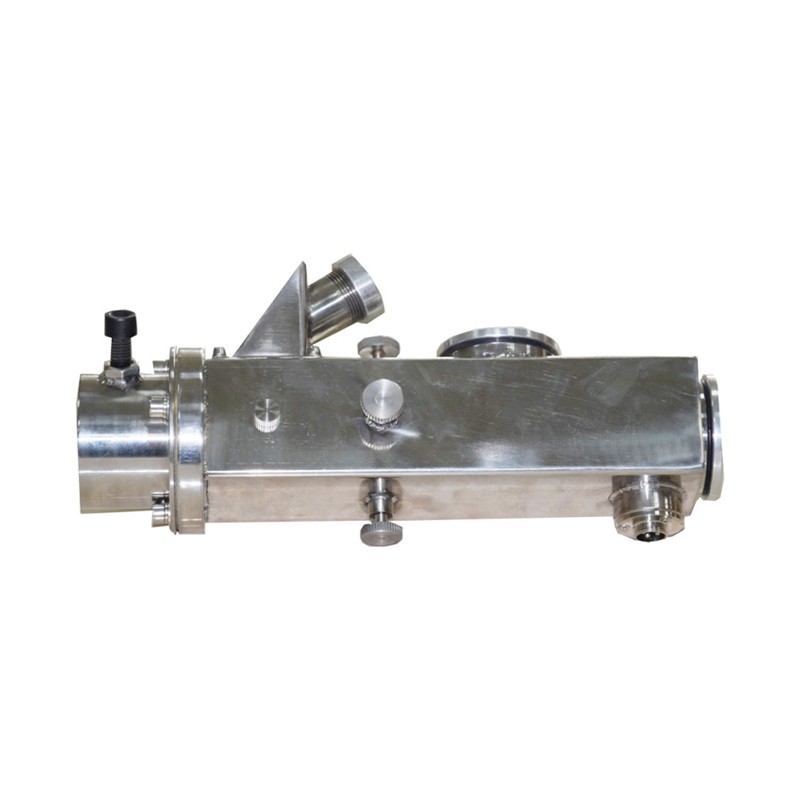
Blast Furnace Tuyere Imaging System for Video Monitoring
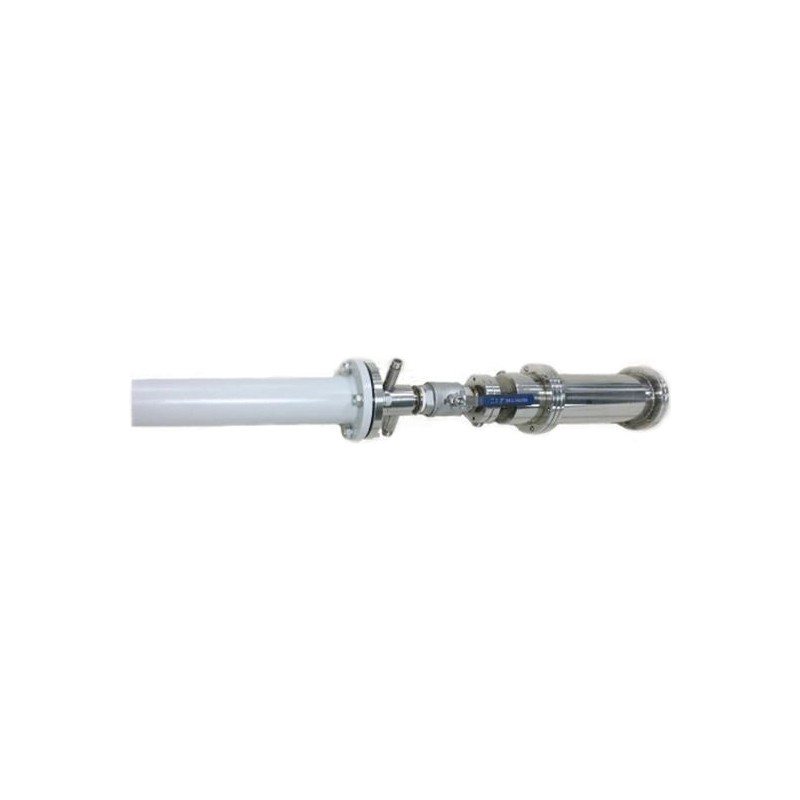
Vacuum Electric Furnace High Temperature Camera
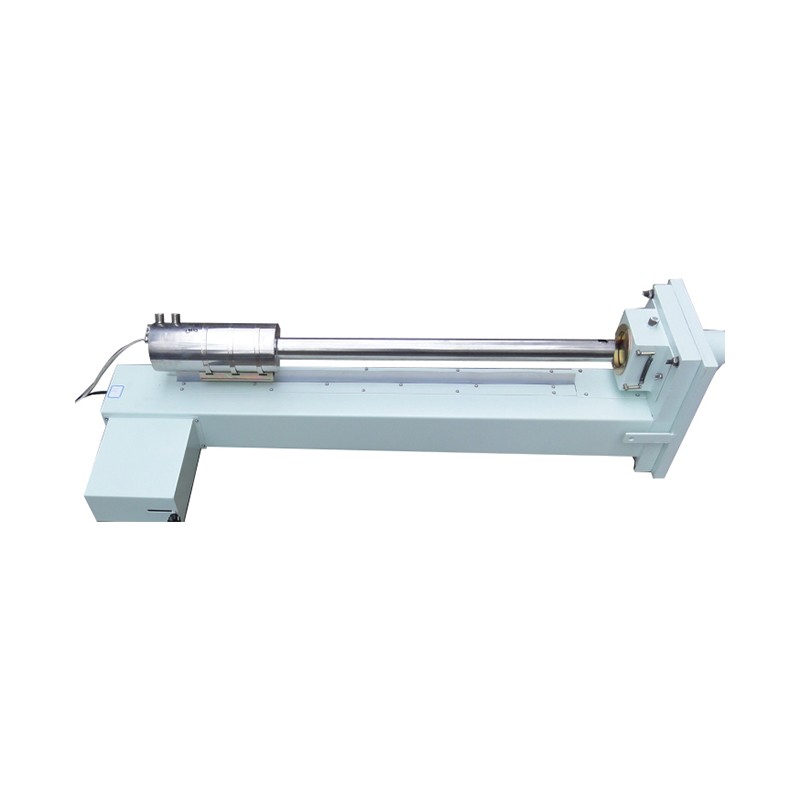
Heating Furnace High Temperature Industrial TV System
Recent News
1.how furnace cameras monitor high-temperature industrial processes
2025-12-052.High Temperature Cameras for Furnaces and Industrial Applications
2025-11-103.Advanced Solutions for Kiln Refractory Monitoring System
2025-08-194.Can You Put a Camera in a Kiln? The Complete Guide to Cement Rotary Kiln Monitoring
2025-08-195.Industrial video cameras for the most hazardous environments
2025-08-19