


 Nov 10, 2025
 View:39
But what exactly makes these cameras so special? And how can they transform industrial operations? Let’s dive in and uncover everything you need to know about high temperature camera systems and their crucial role across industries.
| Industry | Application | Purpose |
|---|---|---|
| Steel & Metallurgy | Furnace interior monitoring | Track molten metal and combustion efficiency |
| Glass Manufacturing | Melting furnace observation | Prevent overheating and improve product quality |
| Cement Plants | Rotary kiln monitoring | Detect blockages and optimize flame shape |
| Power Plants | Boiler and combustion chamber inspection | Improve energy efficiency and reduce emissions |
| Waste Incineration | Combustion process control | Ensure complete burn and environmental compliance |
| Feature | Description |
|---|---|
| Cooling System | Water or air-cooled housings to prevent overheating |
| Protective Enclosure | Stainless steel or ceramic housings to resist thermal shock |
| Optical Clarity | Quartz or sapphire lenses to endure high temperatures |
| Remote Viewing | Real-time imaging from safe control rooms |
| Infrared Capabilities | See through smoke and flames for accurate monitoring |
| Automatic Retraction | Pulls camera back if temperature exceeds limits |
What Is a High Temperature Camera for Furnace?
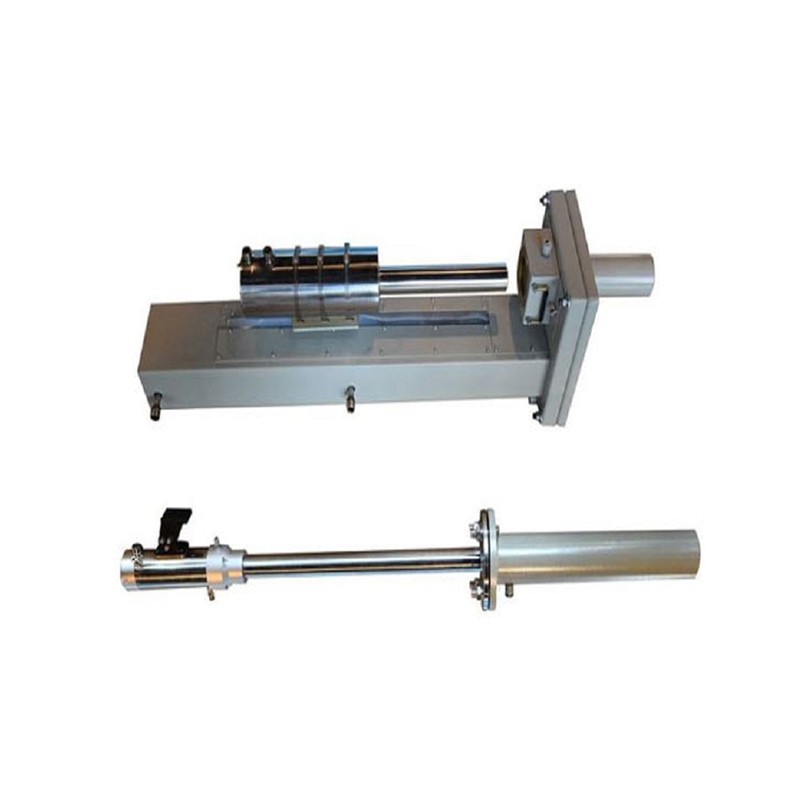
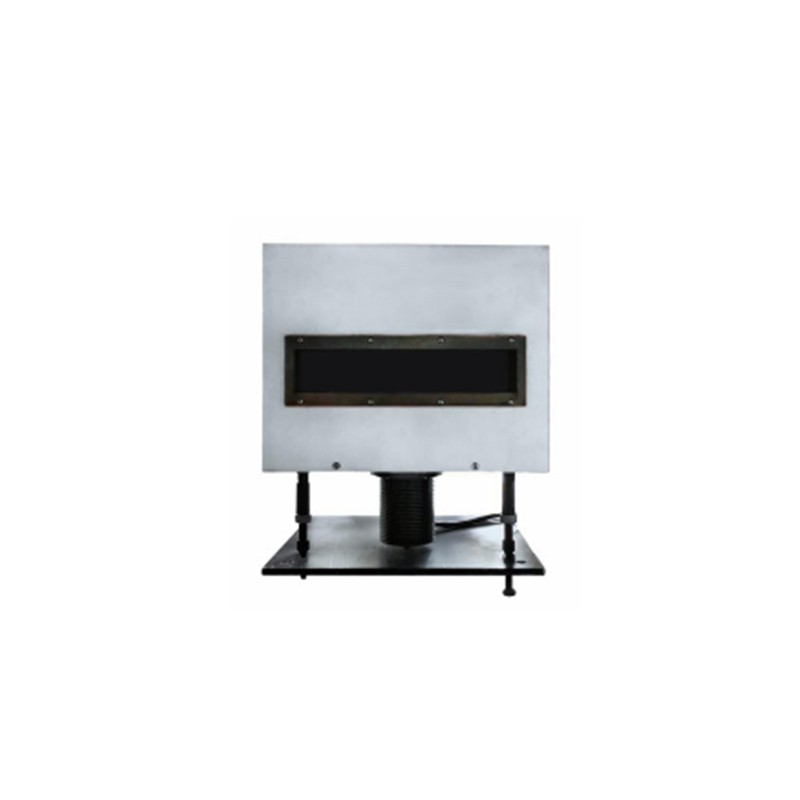
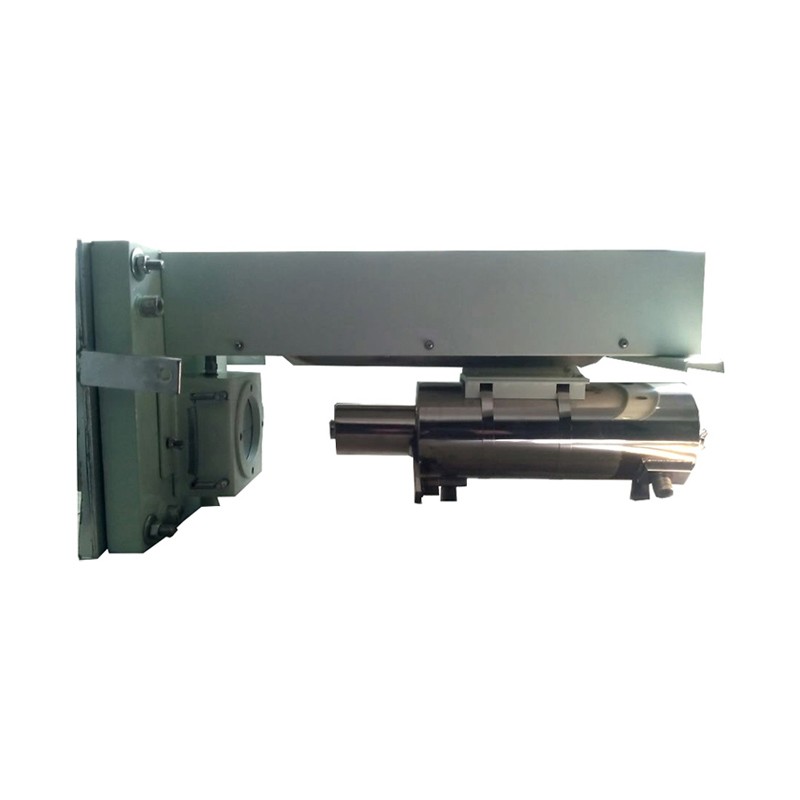
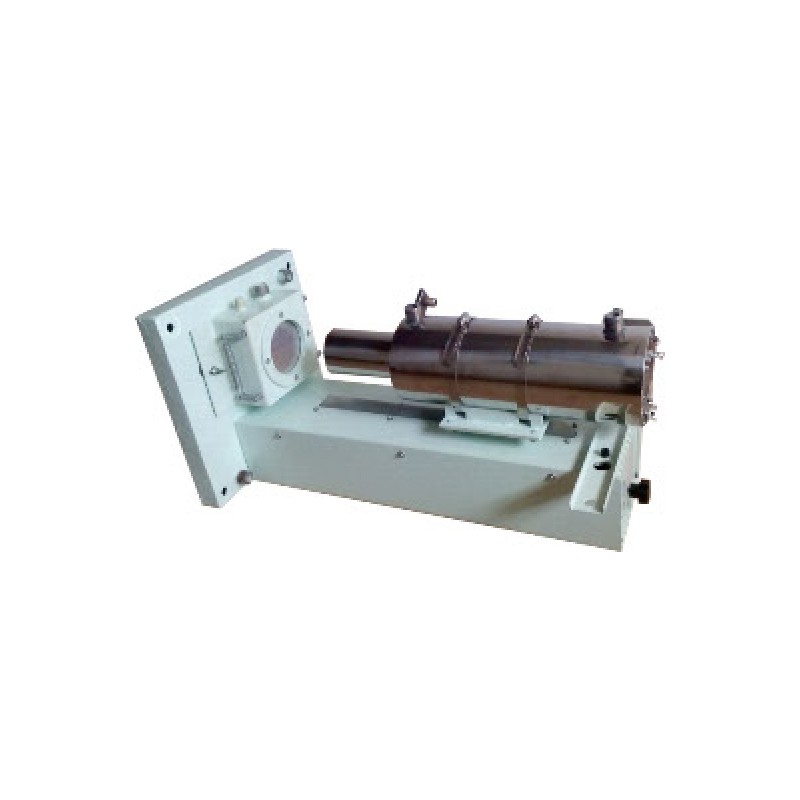
Imagine sticking a regular camera into a steel furnace. Within seconds, it would melt or simply stop functioning. A high temperature camera for furnaceis designed precisely to avoid that - offering durable imaging in environments that reach up to 2000 C (3632 F).
These cameras are not just "heat-resistant." They are engineered marvels that combine cooling systems, heat shields, and specialized lenses to provide real-time visuals inside blazing environments - all while keeping the equipment (and operators) safe.
Why Use a High Temperature Camera System?
Think of a high temperature camera system as your eyes inside the fire. It gives you instant insight into what’s happening inside furnaces, ovens, and kilns - where direct human observation is impossible.
The benefits go far beyond simple visibility:
Improved Safety: No need for manual inspections in dangerous zones.
Optimized Efficiency: Real-time data helps regulate temperature and fuel use.
Reduced Downtime: Early detection of clogs or irregularities prevents costly shutdowns.
Enhanced Product Quality: Monitor material consistency and process stability.
In short, you are not just buying a camera - you are investing in smarter, safer operations.
How Do High Temperature Cameras Work?
Let’s break it down.
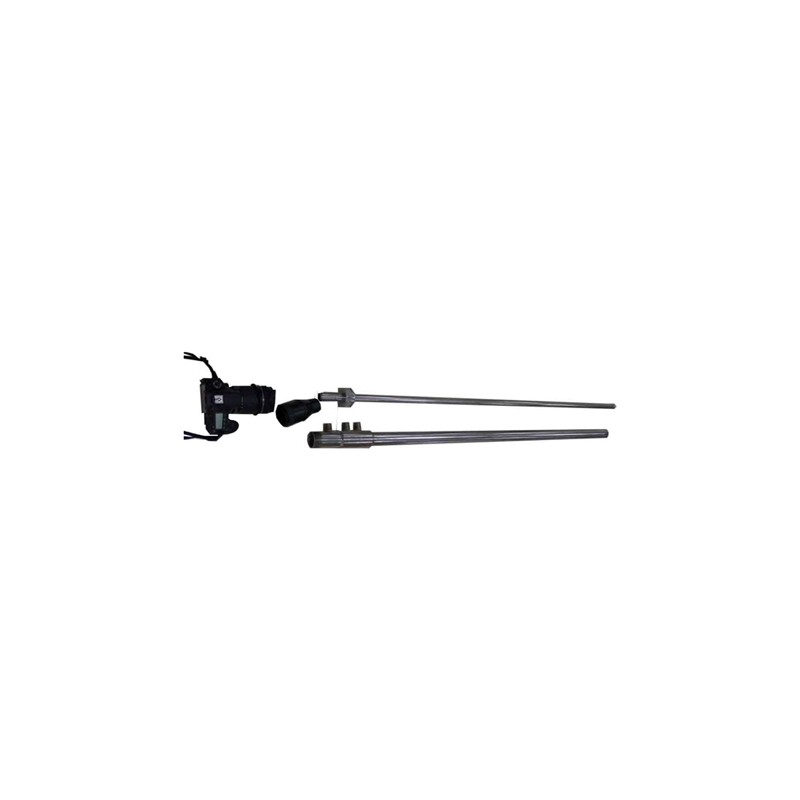
A high temperature camera system typically includes:
Camera Module: Equipped with a heat-resistant lens and sensor.
Cooling Unit: Circulates water or air to keep internal temperature stable.
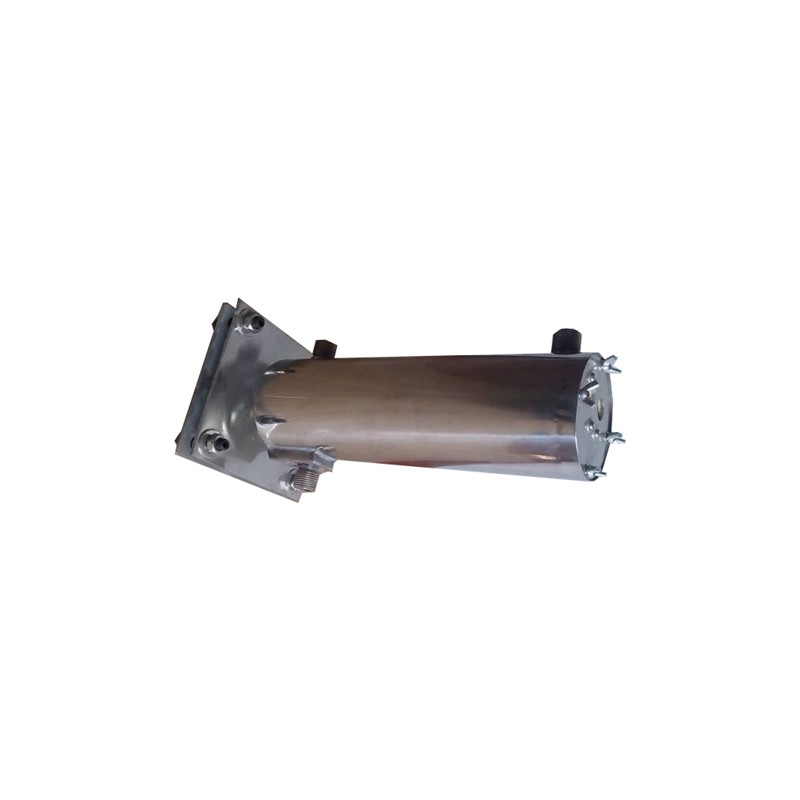
Protective Housing: Shields the camera from direct heat, flames, and dust.
Viewing System: Transmits live video to a control room display.
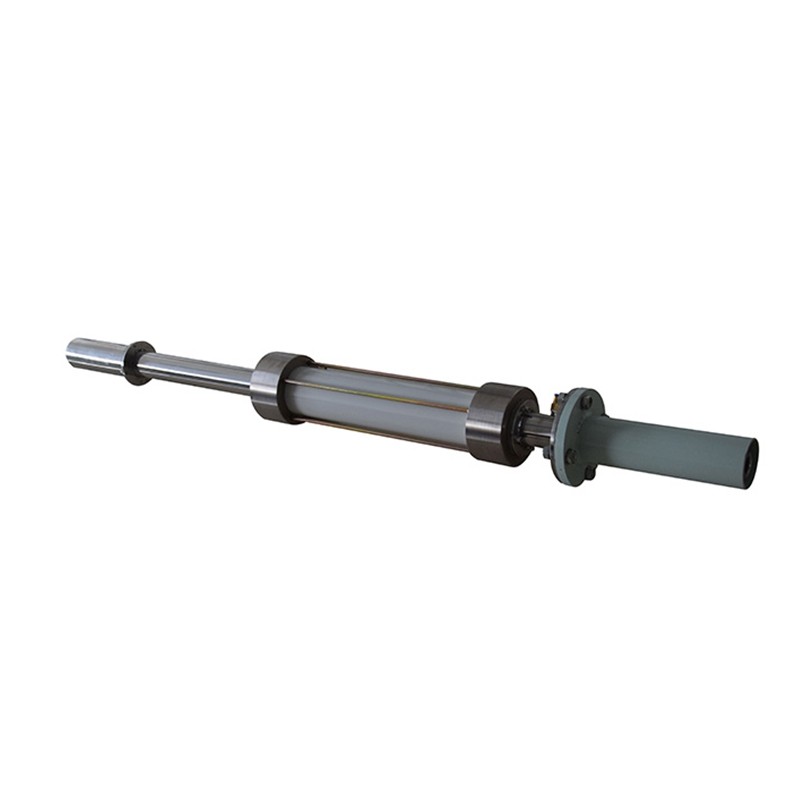
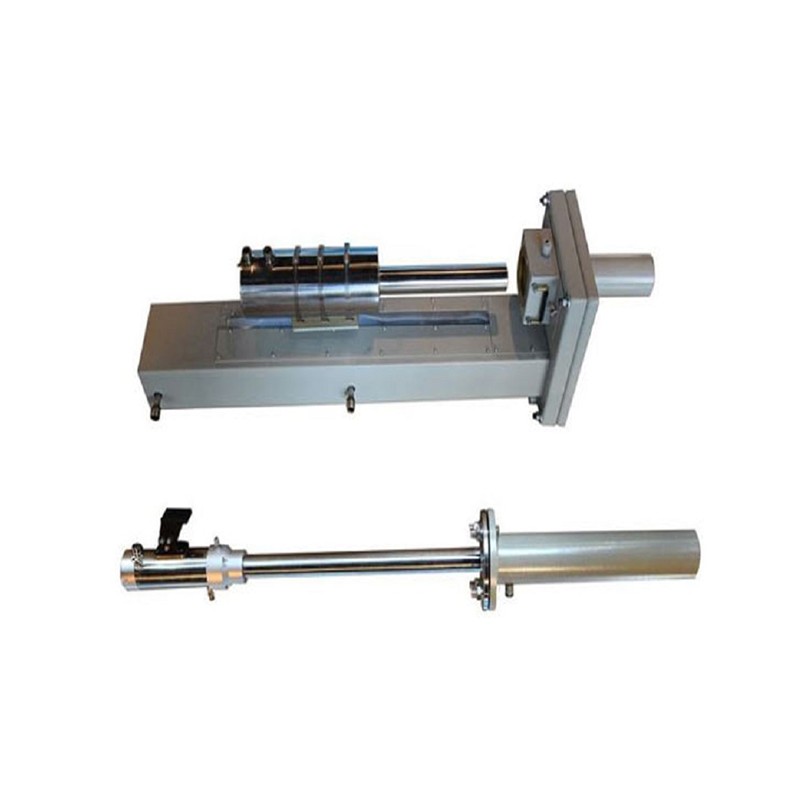
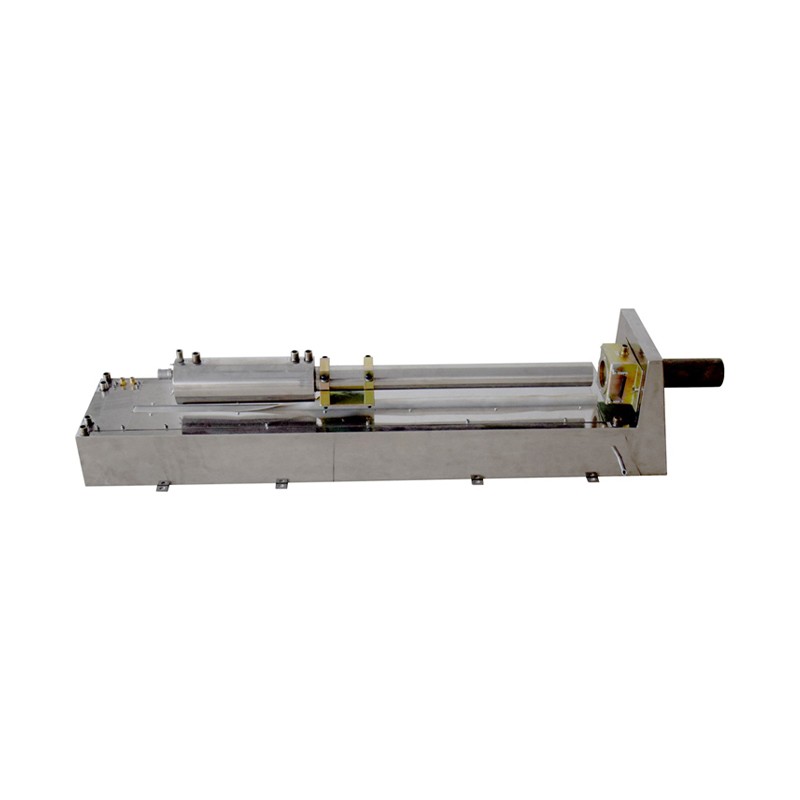
The camera peeks through a peep hole or observation port into the furnace. Some systems even have retractable probes that automatically pull the camera out if temperatures spike beyond safe levels.
Pretty smart, right?
Different Types of High Temperature Cameras
Not all high temperature cameras are built the same. Depending on the application, you’ll find variations like:
Fixed High Temperature Cameras
Mounted permanently on furnaces or ovens, these provide continuous observation. Ideal for large industrial setups like steel mills or cement plants.Portable High Temperature Cameras
Handheld or semi-fixed units for spot inspections. Great for maintenance teams that move between locations.Infrared (IR) High Temperature Cameras
These detect thermal radiation instead of visible light, allowing operators to "see through" smoke, dust, and flames. Perfect for power plants and waste incinerators.Endoscopic Cameras
Used for internal inspection through narrow openings - offering detailed visuals of combustion zones.
Applications of High Temperature Cameras Across Industries
Let’s take a quick tour through the industries that rely on these fiery cameras daily.
1. Steel and Metallurgy
In steel plants, high temperature cameras for furnaces monitor molten metal, combustion, and flame patterns. Operators can adjust oxygen and fuel ratios to optimize melt quality and reduce waste.
2. Glass Manufacturing
A high temperature camera for oven in glass factories ensures melting and forming processes run smoothly, preventing air bubbles, cracks, or uneven color in the final product.
3. Cement Production
In cement kilns, even minor temperature imbalances can affect clinker quality. Cameras allow real-time observation of the burning zone and flame shape, helping to fine-tune combustion.
4. Power Generation
Boilers and combustion chambers in thermal power plants require precise temperature control. High temperature camera systems help identify incomplete combustion zones and improve energy output.
5.Waste Incineration
Environmental compliance is critical. These cameras ensure complete burning of waste materials, minimizing harmful emissions and boosting operational transparency.
6. Petrochemical Industry
Refineries use high temperature camera systems to monitor flares, burners, and cracking units - detecting leaks and ensuring continuous production safely.
Key Features to Look for in a High Temperature Camera System
When choosing a camera for your application, here are must-have features:
Heat-Resistant Housing
Choose housings made of stainless steel, ceramic, or titanium to ensure durability under extreme heat.Cooling Mechanism
Water-cooled systems are ideal for temperatures above 1200 C, while air-cooled ones work well in lower ranges.High-Resolution Imaging
Crystal-clear visuals help identify tiny defects, material flow, and flame behavior.Infrared Imaging
Perfect for seeing through flames and detecting temperature gradients invisible to the human eye.Automatic Retraction System
Prevents damage by retracting the camera when limits are exceeded - like a turtle pulling into its shell.Easy Maintenance
Look for modular designs that allow easy cleaning and quick lens replacement.
Benefits of Using High Temperature Cameras
Still wondering why industries are rapidly adopting them? Here’s what makes these cameras invaluable:
Enhanced Process Control: Operators can adjust fuel, airflow, and temperature based on live visuals.
Improved Energy Efficiency: Real-time monitoring reduces wastage and fuel costs.
Increased Safety: Zero human exposure to dangerous heat zones.
Better Product Consistency: Continuous observation ensures uniform quality.
Reduced Maintenance Costs: Early detection means fewer unplanned shutdowns.
In short - they turn guesswork into precision.
How High Temperature Cameras Improve Safety
Let’s be real - industrial furnaces are not exactly cozy workspaces. Temperatures soar, sparks fly, and molten metal flows like lava. Without visual feedback, even small issues can escalate quickly.
A high temperature camera for furnace acts as your safety lens, allowing operators to monitor conditions from a control room, miles away from danger. It also reduces the need for manual inspections, minimizing accident risks.
Choosing the Right High Temperature Camera for Your Application
When selecting your ideal camera, consider the following factors:
| Criteria | Recommendation |
|---|---|
| Temperature Range | Match to your furnace or kiln’s maximum heat level |
| Lens Material | Quartz or sapphire for durability |
| Cooling Type | Air-cooled for moderate heat, water-cooled for extreme |
| Field of View | Depends on furnace size and observation point |
| Mounting Method | Fixed, portable, or retractable |
| Integration | Compatibility with existing monitoring systems |
Pro tip: Don’t overspend on unnecessary features. Focus on functionality that matches your environment’s specific needs.
Maintenance Tips for High Temperature Camera Systems
These cameras may be built tough, but regular maintenance is key to longevity.
Inspect cooling systems regularly to prevent overheating.
Clean lens ports to maintain image clarity.
Check seals and housings for cracks or corrosion.
Update firmware to ensure smooth performance.
A well-maintained system can last over a decade, delivering reliable performance day in and day out.
High Temperature Camera for Oven vs Furnace: What’s the Difference?
While both operate in high-heat conditions, there are subtle differences:
| Feature | Furnace Camera | Oven Camera |
|---|---|---|
| Temperature Range | Up to 2000 C | Up to 800 C |
| Usage | Heavy industries (steel, cement, glass) | Food processing, ceramics, heat treatment |
| Cooling Requirement | Typically water-cooled | Usually air-cooled |
| Durability | Extremely high | Moderate |
| Cost | Higher | Lower |
So, if you’re in metallurgy or cement production, go for a furnace-grade camera. For lighter applications like baking or curing, an oven camera does the job perfectly.
Top Manufacturers of High Temperature Camera Systems
Some of the most trusted global brands in this niche include:
Syn-Fab (USA) - Known for rugged boiler and furnace cameras.
AMETEK Land (UK) - Offers precise thermal imaging and measurement systems.
SIKORA (Germany) - Renowned for advanced process monitoring solutions.
Mirion Technologies (France) - Focuses on nuclear and high-heat imaging.
HighCam Technologies (China) - Emerging leader in affordable industrial camera systems.
Each of these companies provides customizable setups suited for specific industries and temperature ranges.
The Future of High Temperature Imaging
As industries embrace Industry 4.0, these cameras are getting smarter. Expect to see:
AI-based image analysis for automatic defect detection.
Wireless transmission for real-time cloud monitoring.
Compact designs with enhanced durability.
Thermal data integration with SCADA and automation systems.
In other words, the future is fiery - but smartly monitored!
Common Challenges and Solutions
| Challenge | Solution |
|---|---|
| Lens fogging due to heat | Use air purging or anti-fog lenses |
| Camera overheating | Ensure sufficient water or air cooling |
| Image distortion | Opt for sapphire lenses with anti-reflective coating |
| Maintenance difficulties | Choose modular designs for easy servicing |
Final Thoughts
In a world where industrial efficiency and safety are non-negotiable, a high temperature camera system is no longer a luxury - it’s a necessity.
Whether you’re managing a steel furnace, monitoring a cement kiln, or overseeing an industrial oven, these cameras are your eyes in the heat - helping you make informed, real-time decisions without breaking a sweat.
So, the next time you peer into the fiery heart of your operation, remember - the right high temperature camera for furnace or oven doesn’t just show you what’s happening. It helps you control the fire, enhance safety, and boost productivity.