



What Is an Explosion-Proof Camera?Complete Guide for 2025
 Nov 21, 2025|
 View:35
Have you ever wondered how industries like oil & gas, chemical plants, mining sites, and hazardous manufacturing facilities monitor their operations without risking sparks, fires, or catastrophic explosions? This is exactly where an explosion proof camera steps in as a silent hero.
In environments where a single spark can cause disaster, safety isn’t just a priority—it’s a lifeline. And explosion-proof cameras are designed to protect that lifeline.
So, what exactly is an explosion-proof camera? How does it work? And why is an explosion proof camera for oil and gas essential in today’s industrial world? Let’s dive into everything you need to know.
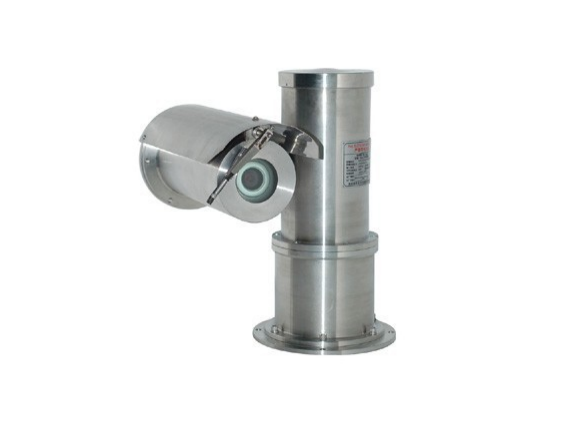
Understanding the Basics: What Is an Explosion-Proof Camera?
An explosion proof camera is a specially engineered surveillance camera designed to operate safely in hazardous environments where flammable gases, vapors, dust, or chemicals are present.
Unlike ordinary security cameras, these cameras are built inside reinforced housings that contain any internal sparks or heat—preventing them from igniting the surrounding atmosphere.
Think of it like putting a fire inside a sealed glass lantern. The light can shine through, but the flame stays safely inside.
Why Do We Need Explosion-Proof Cameras?
You might be thinking, “Why not just use a normal CCTV camera?”
Well, here’s the problem:
Normal electronic devices generate:
Heat
Sparks
Electrical surges
Static discharge
In a normal environment, this isn’t a big deal. But in a refinery or a chemical plant? That spark can turn into a catastrophic explosion.
This is why industries rely on explosion proof cameras—to monitor operations without adding risk.
Where Are Explosion-Proof Cameras Used?
Explosion-proof cameras play a major role in:
Oil and gas refineries
Offshore drilling platforms
Petrochemical plants
Chemical storage facilities
Mining operations
Pharmaceutical manufacturing
Grain silos and food processing plants
Paint rooms and spray booths
Battery production lines
Basically, anywhere that hazardous gases, liquids, or dust particles can ignite.
But the most common application?
Explosion proof camera for oil and gas operations—because these sites are filled with flammable hydrocarbons just waiting for a trigger.
How Does an Explosion-Proof Camera Work?
Explosion-proof cameras do not prevent explosions in the area.
Instead, they prevent the camera itself from becoming the source of an explosion.
Here’s how they accomplish this:
1. Reinforced Explosion-Proof Camera Housing
These housings are made from:
Stainless steel
Aluminum alloy
Special explosion-proof materials
They are extremely thick—often several millimeters—and designed to contain any internal ignition.
2. Flame-Proof Design
If a spark or short circuit happens inside the camera, the flames are trapped inside the housing, preventing ignition from spreading outside.
3. Temperature Control and Heat Management
The internal temperature of the camera is controlled so it never exceeds the ignition point of surrounding gases.
4. Certified Electrical Components
Only specially tested and certified wiring, seals, and connections are used.
5. Explosion-Proof Cable Glands
These seal the wiring entry points so no sparks can escape.
Together, these features make explosion proof cameras safe for even the riskiest industries.
Types of Explosion-Proof Cameras
Explosion-proof cameras come in several styles depending on industrial needs. Here are the most common types:
1. Fixed Explosion-Proof Cameras
These cameras stay in one position and capture video in a fixed direction.
Perfect for monitoring:
Production lines
Entry points
Hazard zones
2. PTZ Explosion-Proof Cameras
PTZ stands for Pan–Tilt–Zoom.
These cameras can:
Rotate 360°
Tilt up and down
Zoom in on key activity
They’re ideal for large oil and gas platforms or refinery yards.
3. Thermal Explosion-Proof Cameras
These cameras detect heat signatures instead of visible light.
They help detect:
Gas leaks
Hot spots
Overheated machinery
4. Explosion-Proof Infrared Cameras
These cameras can see in total darkness, making them perfect for 24/7 surveillance.
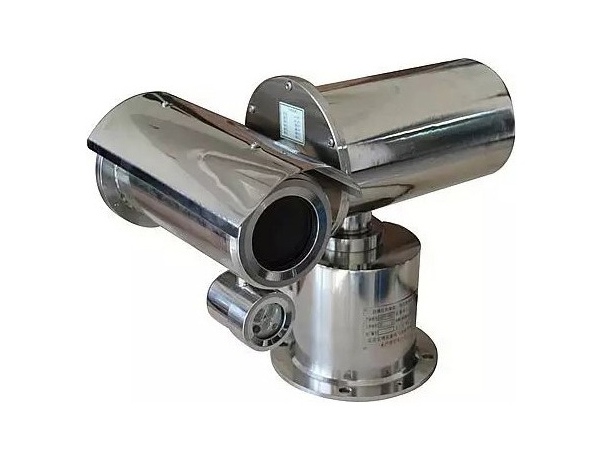
Explosion Proof Camera vs Regular Camera
To really understand what makes these cameras special, let’s compare them.
| Feature | Regular Camera | Explosion-Proof Camera |
|---|---|---|
| Safety Level | Normal | High—designed for hazardous areas |
| Housing | Lightweight plastic/metal | Thick, fireproof, explosion-resistant |
| Spark Control | No | Yes—built to prevent ignition |
| Certifications | Not required | Mandatory (ATEX, IECEx, UL, etc.) |
| Cost | Low | Higher due to safety features |
In short—normal cameras are for normal places.
Explosion-proof cameras are for dangerous places where failure is not an option.
Why Explosion-Proof Cameras Are Critical in the Oil & Gas Industry
If any industry absolutely must use explosion proof cameras, it's the oil & gas sector.
Why?
Because hydrocarbons like:
propane
methane
hydrogen sulfide
gasoline vapors
are extremely flammable.
Even a tiny electrical spark from a normal camera could trigger a full-scale refinery fire.
So, an explosion proof camera for oil and gas is not just a convenience—it's a regulatory requirement and a life-saving necessity.
Common applications in oil & gas include:
Wellheads
Pipeline monitoring
Offshore rigs
Storage tank farms
Gas compressor stations
LNG terminals
Refinery control areas
Drill floors
When workers cannot be everywhere at once, explosion-proof cameras become their extra set of eyes.
Key Features of a High-Quality Explosion Proof Camera
When selecting an explosion-proof camera, look for these important features.
1. Certified Explosion-Proof Rating
Certification ensures the camera is truly safe. Look for:
ATEX Certification (Europe)
IECEx Certification (Global)
UL/CSA Certification (United States)
2. Rugged, Heavy-Duty Housing
The thicker and stronger the housing, the safer the camera.
3. High-Resolution Video
You’ll want:
1080p HD
4K
or higher
Clear video makes safer workplaces.
4. Infrared Night Vision
Hazard zones require 24/7 monitoring.
5. Wide Temperature Range
Explosion-proof cameras must survive:
Extreme heat
Freezing temperatures
Harsh outdoor environments
6. Corrosion Resistance
Especially important for offshore oil platforms.
7. Remote Monitoring
Allows central control rooms to view all cameras in real-time.
8. Motion Detection and Smart Alerts
AI features help detect unusual activity.
Benefits of Using an Explosion Proof Camera
An explosion-proof camera offers several advantages that go beyond safety.
1. Improved Workplace Safety
You can monitor hazardous areas without risking worker exposure.
2. Real-Time Hazard Detection
Operators can instantly detect:
Leaks
Unusual equipment activity
Unauthorized entry
Fires
3. Lower Insurance and Compliance Costs
Regulators require proper surveillance in hazardous zones.
4. Increased Operational Efficiency
With PTZ and zoom features, managers can oversee large industrial plants easily.
5. Better Incident Investigation
Recorded footage helps analyze accidents and prevent future risks.
6. Reduced Equipment Downtime
Thermal explosion-proof cameras help identify overheating equipment early.
How to Choose the Right Explosion Proof Camera
Selecting the right camera can feel overwhelming, but here’s a simple checklist.
1. Identify Your Hazard Zone
Is your site classified as:
Zone 1 / Zone 2
Class I, Division 1 / 2
Group B, C, D gases?
Choose a camera rated for your specific classification.
2. Fixed or PTZ?
Fixed for small areas
PTZ for wide industrial spaces
3. Indoor or Outdoor?
Outdoor models need extra protection from weather and corrosion.
4. Video Quality
Higher resolution = better monitoring.
5. Do You Need Thermal Imaging?
Useful for oil & gas, chemical plants, and electrical equipment.
6. Budget
Explosion-proof cameras vary widely in price depending on:
Housing material
Certification
Video features
PTZ capabilities
Explosion-Proof Camera Installation Tips
Installing an explosion-proof camera is not like installing a normal CCTV device.
Important Tips:
Must be installed by certified professionals
Requires explosion-proof cable glands
Electrical power must meet hazardous-area standards
Must maintain proper sealing and wiring
Avoid opening the camera housing in hazardous zones
Proper installation is essential for safety certification.
Maintenance of Explosion-Proof Cameras
Even though these cameras are built tough, they still need proper care.
Routine maintenance includes:
Clean lens and housing
Check for corrosion
Inspect cable glands
Verify temperature seals
Test night vision performance
Software updates for AI features
Regular inspection prevents potential safety hazards.
Frequently Asked Questions About Explosion-Proof Cameras
1. Can an explosion-proof camera survive an actual explosion?
Yes. They are designed to contain internal explosions and withstand extreme pressure.
2. Do explosion-proof cameras work underwater?
Some models are water-resistant or fully waterproof, especially for offshore sites.
3. Are they more expensive than regular cameras?
Yes, because of:
Special housing
Strict certifications
Heavy-duty components
4. Can I use normal cameras in hazardous areas?
Absolutely not. It’s extremely dangerous and illegal in most regions.
5. Do explosion-proof cameras still provide HD or 4K video?
Yes. Modern models offer excellent video clarity.
Conclusion: Why Explosion-Proof Cameras Are Essential in Today’s Industrial World
In hazardous industries, safety isn’t optional—it’s mandatory. An explosion proof camera ensures you can monitor operations without introducing fire hazards. Whether you’re running an offshore rig, a refinery, a chemical warehouse, or a manufacturing plant, these specialized cameras offer unmatched protection, visibility, and peace of mind.
And when it comes to choosing an explosion proof camera for oil and gas, investing in certified, rugged, high-resolution models is the smartest way to protect both your people and your facility.
Explosion-proof cameras are more than just surveillance tools—they are silent guardians that keep dangerous environments safe.
Recommended Products
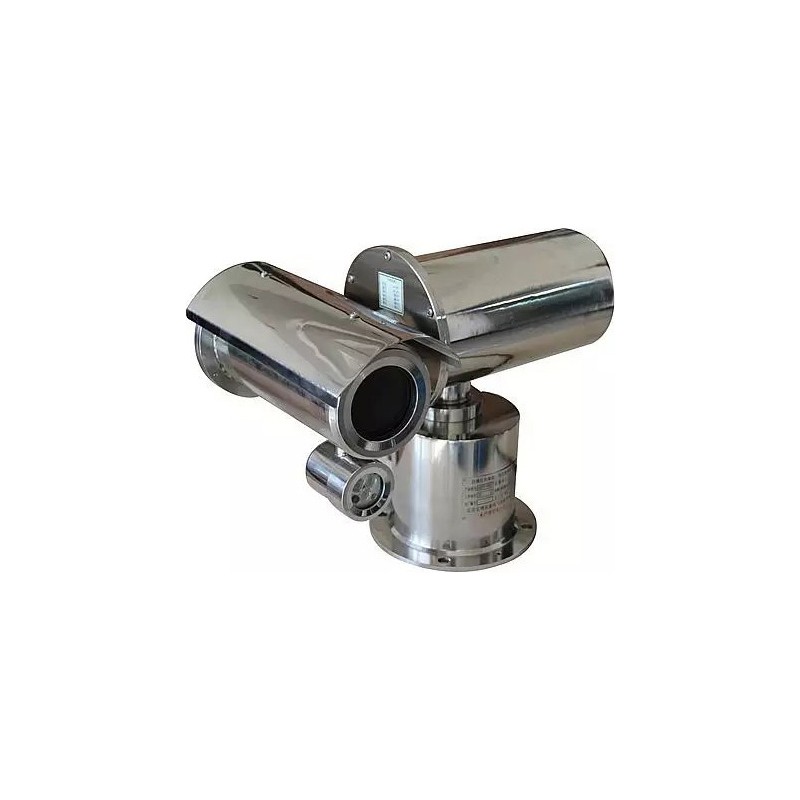
Explosion proof CCTV Camera丨Integrated Infrared Network Series
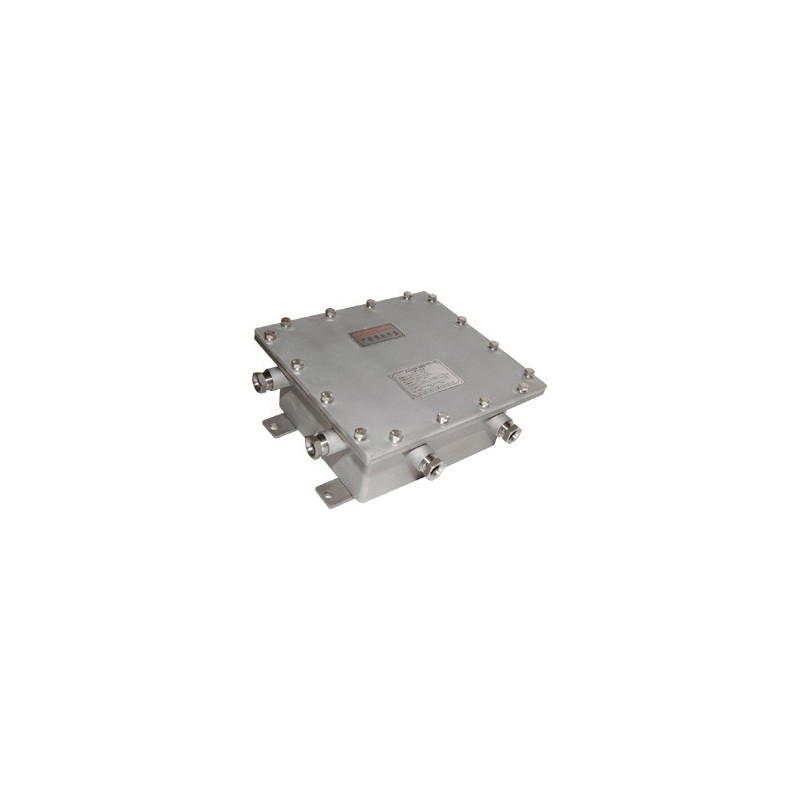
Stainless Steel Blast-Proof Control Cabinet
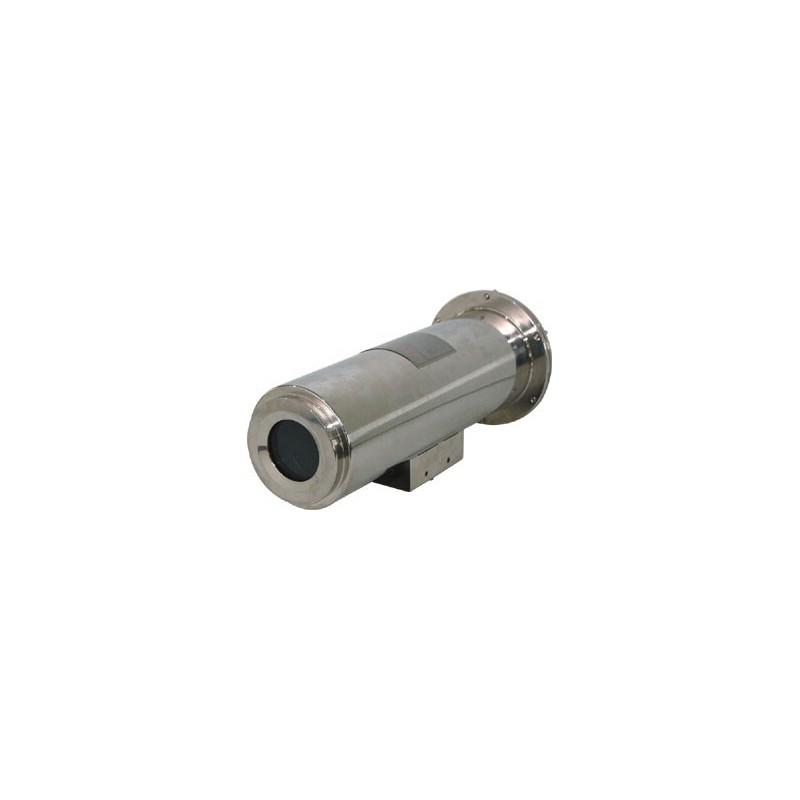
Explosion proof camera housing
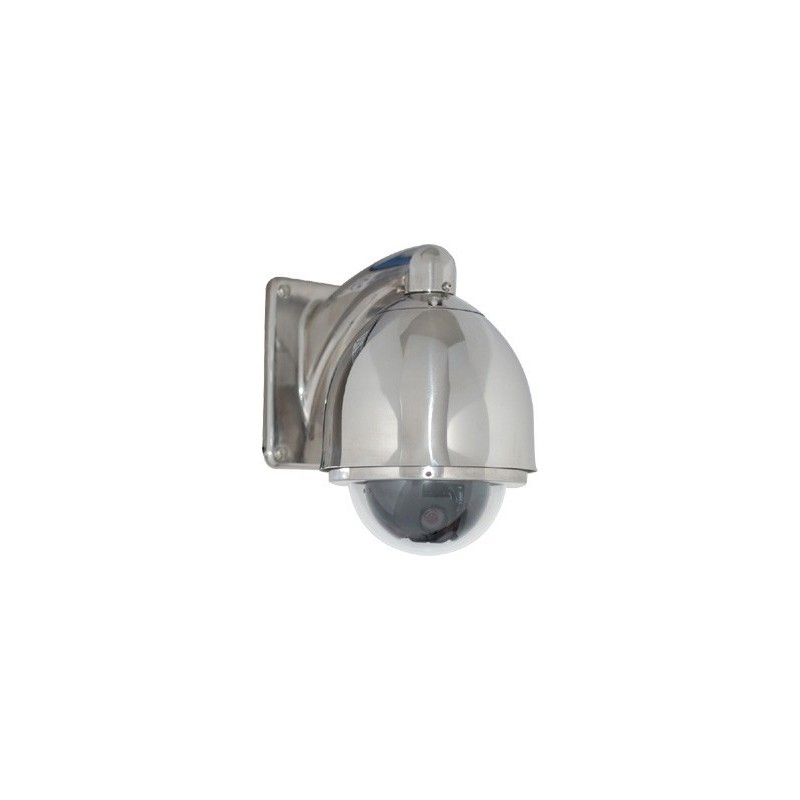
High-Speed Explosion Proof Dome Camera (PTZ Series)
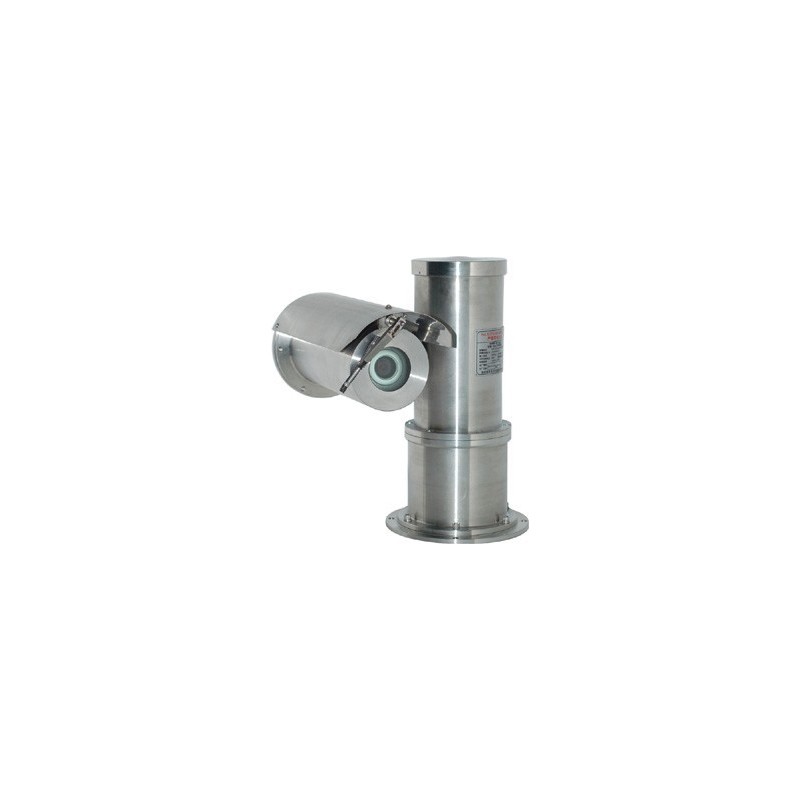
Single Barrel Explosion-Proof Surveillance Camera
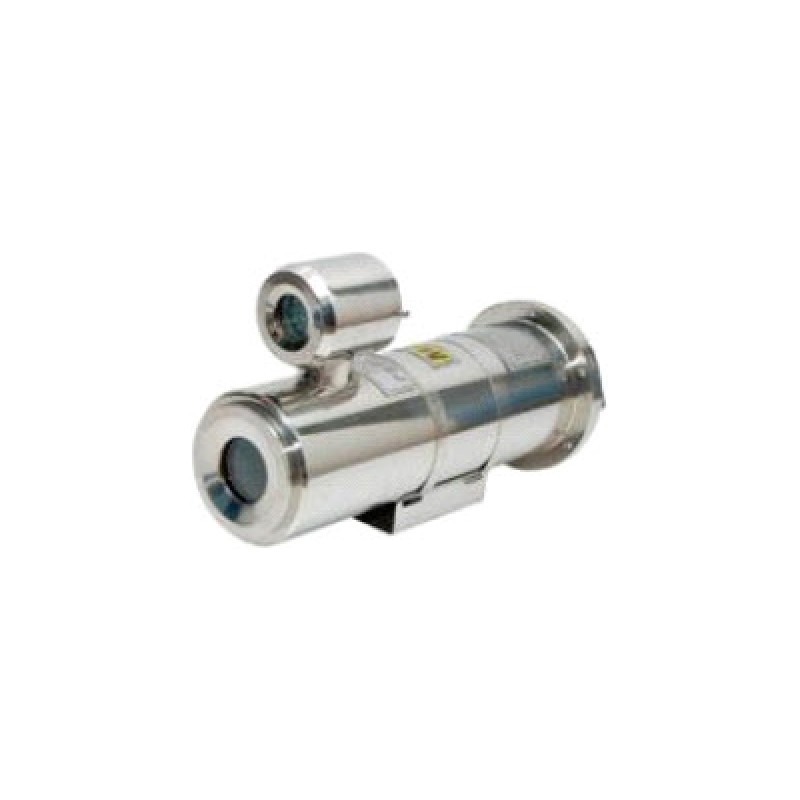
Explosion-proof Infrared Camera | Hazardous area security camera
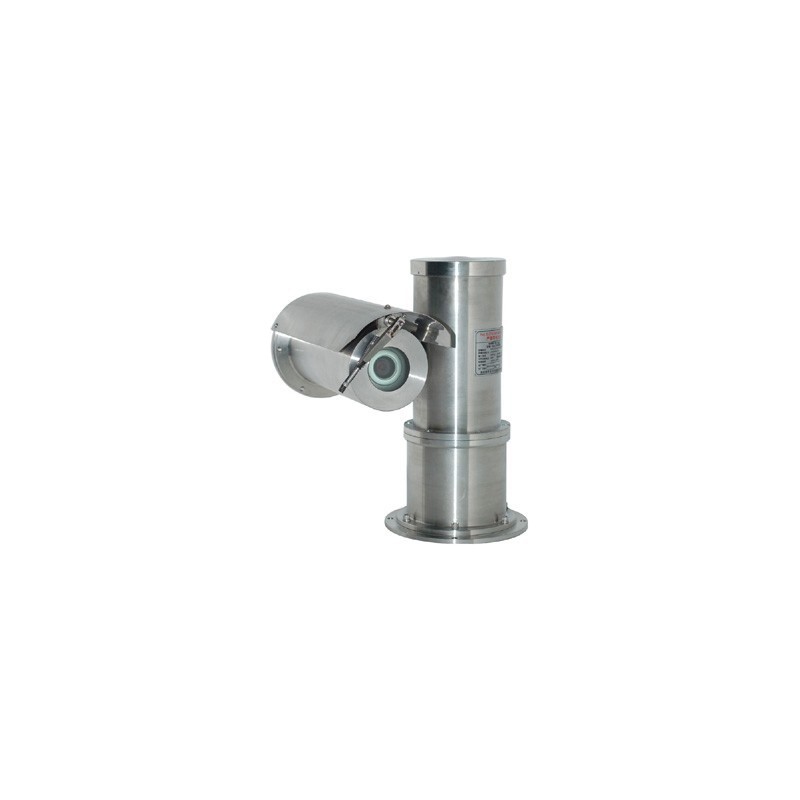
EX IR Series丨Industrial Explosion Proof IP Camera
Recent News
1.Industrial video cameras for the most hazardous environments
2025-08-192.Advanced Solutions for Kiln Refractory Monitoring System
2025-08-193.High Temperature Cameras for Furnaces and Industrial Applications
2025-11-104.Can You Put a Camera in a Kiln? The Complete Guide to Cement Rotary Kiln Monitoring
2025-08-19