



How Explosion Proof Camera Works with Different Industries
 Jan 28, 2026|
 View:30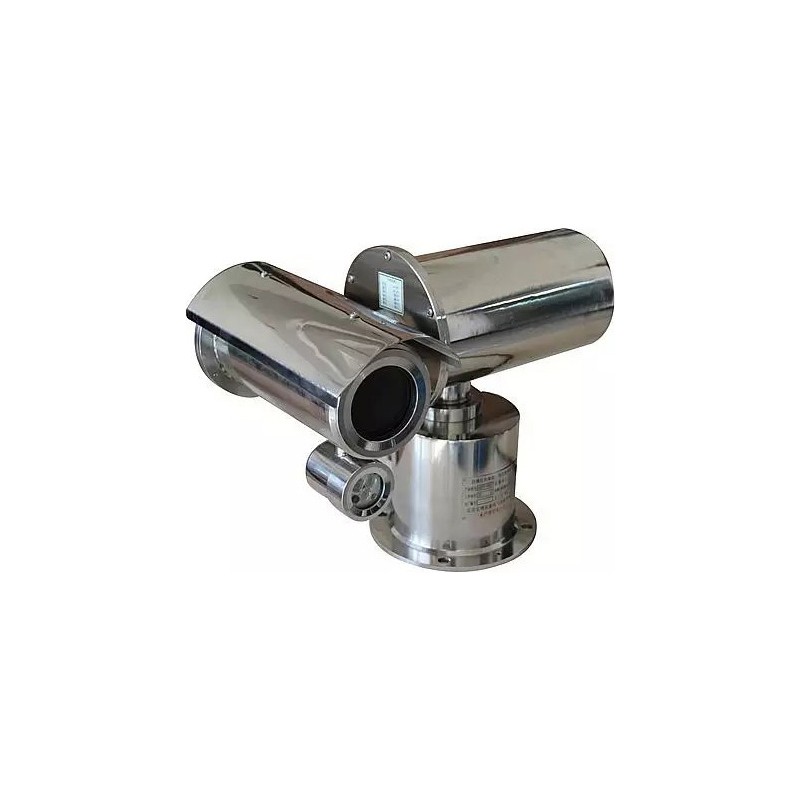
In hazardous industrial environments, safety is not optional—it is fundamental. Industries such as oil & gas, chemical processing, mining, and power generation operate in conditions where flammable gases, vapors, or combustible dust may be present at any time. In these scenarios, conventional surveillance equipment is simply not safe to use.
This is where the explosion-proof CCTV camera becomes essential. Designed to operate reliably without igniting hazardous atmospheres, these specialized cameras provide continuous monitoring while meeting strict international safety regulations. But how exactly does an explosion-proof camera work, and how does it adapt to the diverse needs of different industries?
This guide explains the working principles of explosion-proof surveillance systems in a clear, technical yet accessible way, demonstrating how they support safety, compliance, and operational efficiency. The insights shared here are based on real-world manufacturing and application experience from LUMING, a professional supplier of hazardous area monitoring solutions.
Key Takeaways
An explosion-proof CCTV camera is engineered to contain internal sparks or heat, preventing the ignition of external hazardous atmospheres.
Specialized housings (typically 316L stainless steel) isolate electrical components from flammable gases, vapors, and dust.
Different hazardous zones (Zone 1, Zone 2, Zone 21, Zone 22) require specific protection levels and camera certifications.
Properly deployed explosion-proof cameras improve worker safety, monitoring efficiency, and regulatory compliance.
Correct selection and installation ensure long-term reliability and significantly lower operational risks.
What Is an Explosion-Proof CCTV Camera?
An explosion-proof CCTV camera is a surveillance device enclosed in a specially designed, heavy-duty protective housing. This enclosure is engineered to contain any internal sparks, arcs, or even minor internal explosions without allowing the flame or heat to escape and ignite the surrounding hazardous atmosphere.
Unlike ordinary cameras, these systems are built and certified to operate safely in areas classified as hazardous due to the presence of:
Flammable gases (e.g., methane, hydrogen, propane)
Combustible vapors (e.g., solvent fumes, petrochemical vapors)
Explosive dust (e.g., coal dust, grain dust, metal powders)
Note: The camera itself does not prevent external explosions from occurring; rather, it ensures that the device will never become the source of ignition.
How Explosion-Proof Cameras Work: Core Principles
1. Sealed and Reinforced Housing
The most critical feature is its heavy-duty enclosure, typically crafted from corrosion-resistant 316L stainless steel. This housing is precisely engineered to:
Withstand high internal pressure in the event of an internal spark.
Cool escaping gases through flame-proof joints (Ex d principle) below the ignition temperature of the external atmosphere.
Prevent flame propagation to the outside environment.
2. Thermal Control and Heat Dissipation
Electronic components generate heat during operation. Explosion-proof cameras are designed to manage this by:
Maintaining external surface temperatures strictly below the ignition thresholds (Temperature Class, e.g., T6).
Utilizing passive heat dissipation through the massive metal housing rather than relying on exposed, vulnerable cooling fans.
Preventing localized "hot spots" that could ignite sensitive gases or dust.
3. Electrical Isolation and Intrinsic Safety
Internal wiring, cable glands, and electronic circuits are rigorously isolated and potted to eliminate the risk of electrical discharge. This ensures stable performance even in environments subjected to heavy vibration, high moisture, or corrosive chemical exposure.
Explosion-Proof Camera Certifications and Safety Zones
Explosion-proof cameras must be selected based on the specific hazardous area classification defined by international standards (such as ATEX, IECEx, or NEC).
| Hazard Zone | Typical Environment | Required Camera Protection |
|---|---|---|
| Zone 1 | Explosive gas atmosphere likely to occur during normal operation. | Ex d (Flameproof) or Ex ib (Intrinsic Safety) certified camera. |
| Zone 2 | Explosive gas atmosphere unlikely, and if it occurs, only for a short duration. | Ex n (Non-sparking) or Ex d certified camera. |
| Zone 21 / 22 | Areas where combustible dust is present (frequently or rarely). | Dust-ignition-proof (Ex t) sealed housing, typically IP66/IP68 rated. |
Using the correctly certified camera for each specific zone is not just a best practice—it is a legal requirement for compliance and safety.
Applications: How Explosion-Proof Cameras Serve Different Industries
Oil and Gas Industry
In oil refineries, offshore drilling platforms, and storage tank farms, flammable gases are a constant reality. Explosion-proof cameras allow operators to:
Monitor critical pipelines, valves, and pump stations remotely.
Detect early signs of leaks, spills, or abnormal operational behavior.
Enhance worker safety by eliminating the need for physical exposure to high-risk zones.
Chemical and Petrochemical Plants
Chemical manufacturing often involves volatile reactions and hazardous vapor emissions. Explosion-proof surveillance provides:
Continuous, real-time process monitoring of reaction vessels.
Remote visual inspection of hazardous mixing or storage areas.
Early detection of unsafe conditions before they escalate into incidents.
Mining and Tunneling Operations
Underground mining environments are prone to combustible coal dust and methane gas pockets. Explosion-proof CCTV systems help by:
Monitoring underground conveyor belts and extraction operations.
Improving visibility in confined, poorly lit, and hazardous spaces.
Enhancing emergency response readiness with reliable, dust-resistant (IP68) housing.
Power Generation and Energy Facilities
Power plants require robust surveillance in high-temperature and high-risk zones. Explosion-proof cameras are utilized to:
Monitor coal handling, fuel storage, and gas turbine areas.
Inspect boiler zones and critical infrastructure safely.
Support predictive maintenance strategies through continuous visual data.
Key Technical Features of LUMING Explosion-Proof Cameras
| Technical Feature | Operational Function |
|---|---|
| 316L Stainless Steel Housing | Provides superior corrosion resistance and contains internal explosions (Ex d). |
| Infrared (IR) Illumination | Enables clear, high-definition low-light and night-time monitoring. |
| IP66 / IP68 Rating | Guarantees complete protection against powerful water jets and dust ingress. |
| Network Connectivity | Supports seamless integration with modern NVRs and remote SCADA/DCS monitoring. |
| Wide Operating Temperature | Designed for stable 24/7 operation in extreme ambient temperatures. |
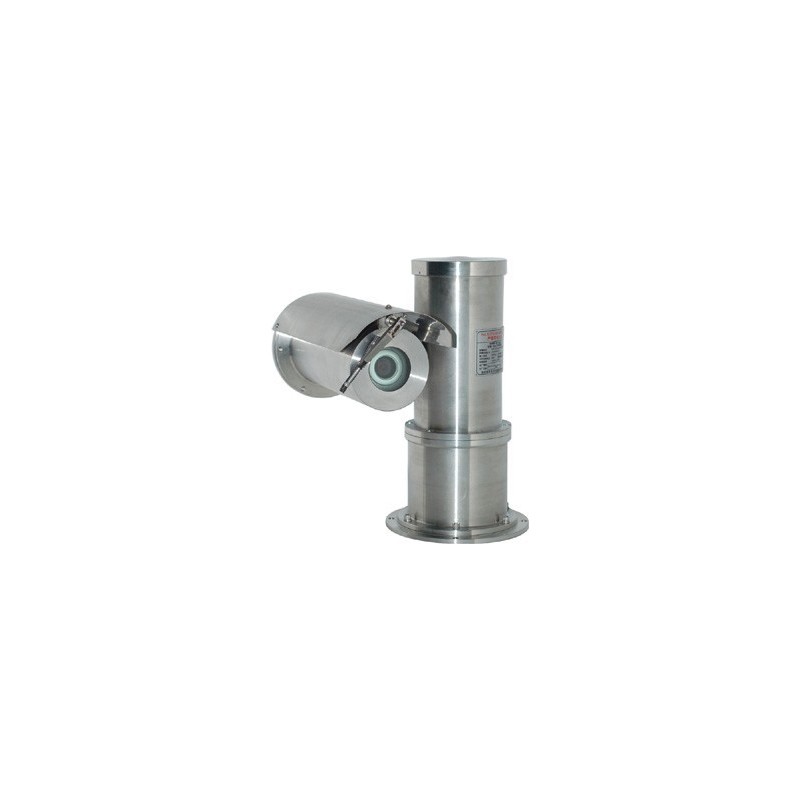
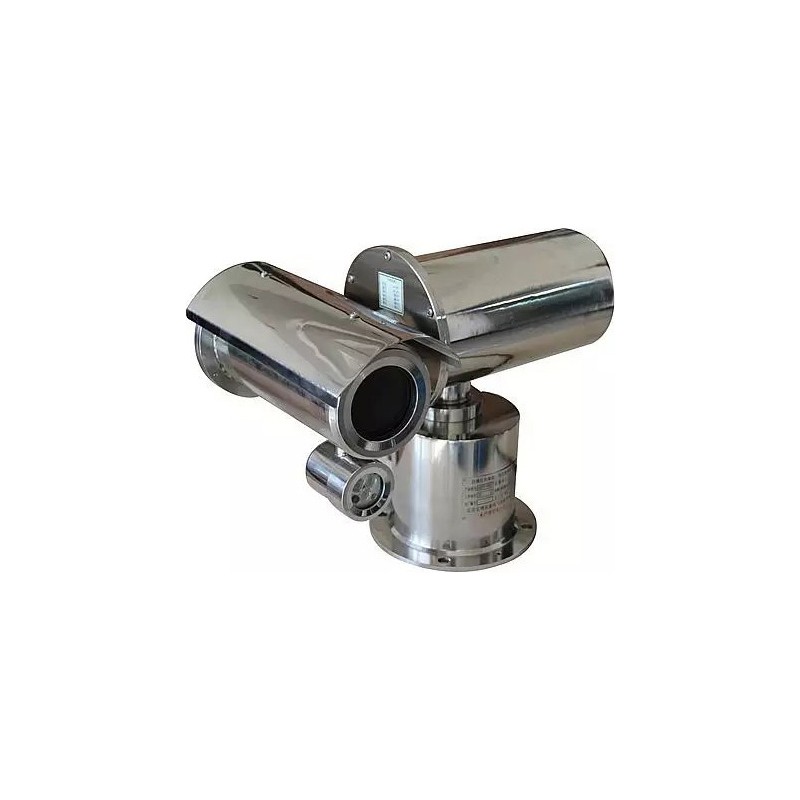
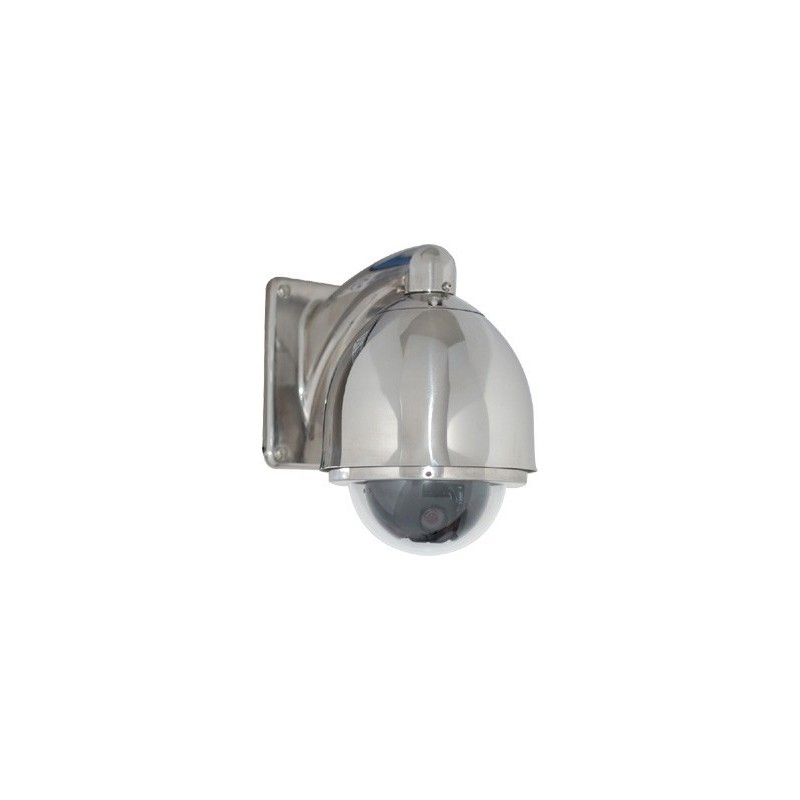
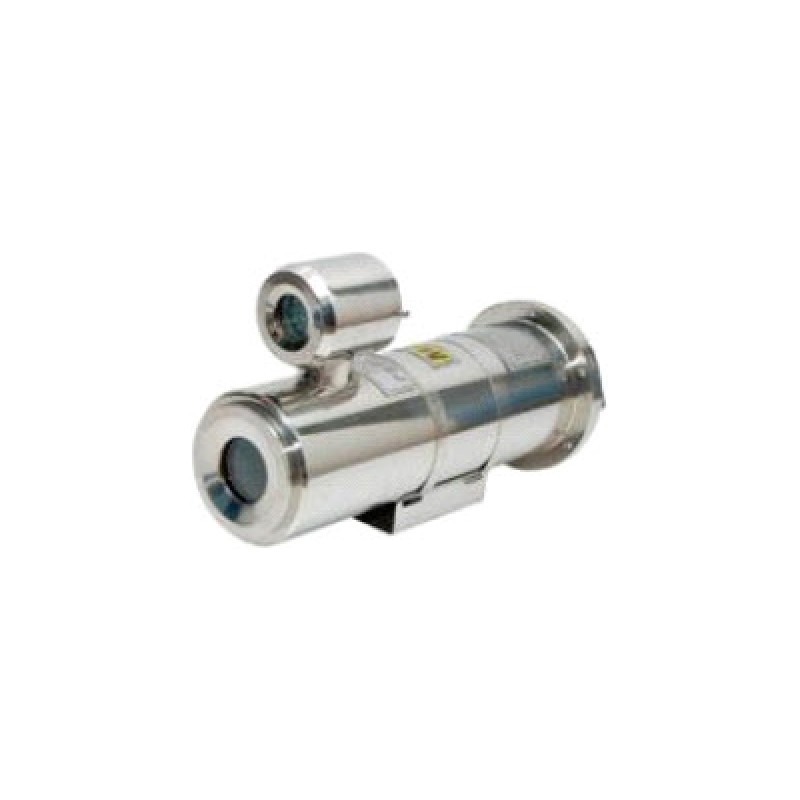
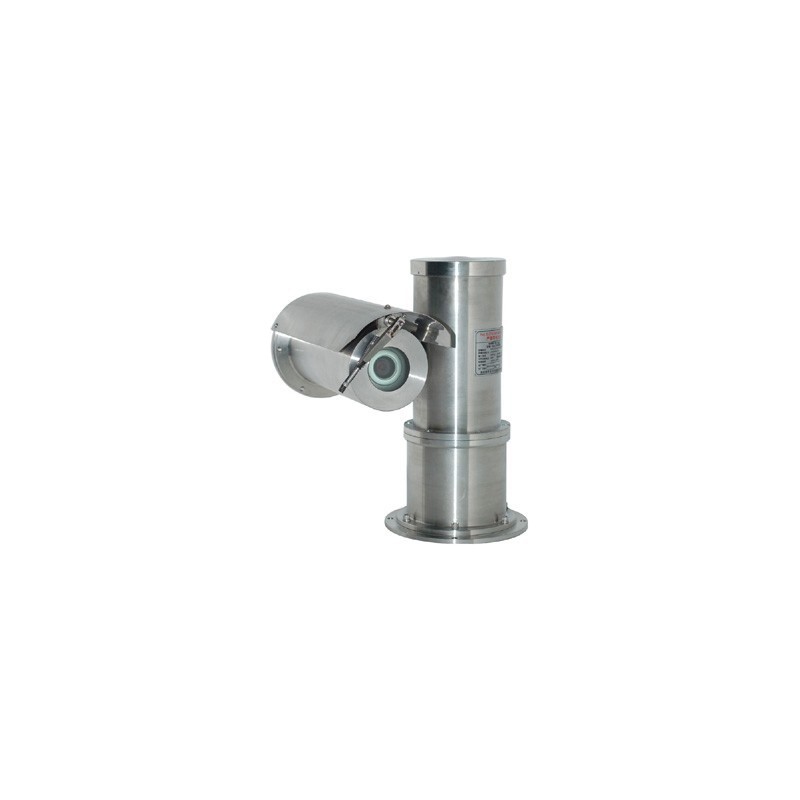
Depending on your specific operational needs, LUMING offers a diverse range of certified models. For seamless network integration, our Explosion-proof infrared network integrated camera is the ideal choice. For extreme conditions, the Explosion-Proof Infrared Camera With IR for Harsh Environment delivers superior visibility. Additionally, we provide the Blast-proof infrared intelligent camera for smart monitoring, and the Explosion-proof single-barrel camera for focused, long-range applications.
Why Explosion-Proof Cameras Improve Operational Efficiency
Beyond fulfilling safety mandates, explosion-proof CCTV cameras contribute directly to operational efficiency by:
Reducing manual inspections: Fewer personnel need to enter hazardous zones, saving time and labor costs.
Enabling real-time monitoring: Instant visual feedback allows for quicker decision-making and process adjustments.
Supporting compliance audits: Recorded video footage provides undeniable proof of adherence to safety protocols.
Lowering downtime: Early detection of anomalies prevents minor issues from escalating into catastrophic, facility-halting safety incidents.
When integrated properly, these systems become a long-term operational asset rather than a mere compliance cost.
Installation and Maintenance Considerations
Proper installation is critical for maintaining the integrity of the explosion-proof certification. Cameras should be:
Installed strictly by trained, certified personnel following hazardous area wiring standards.
Regularly inspected for housing integrity, ensuring cable glands and flame-proof joints remain tight and uncorroded.
Maintained according to the manufacturer's industrial safety guidelines (e.g., cleaning the lens without compromising the seal).
FAQ: Explosion-Proof CCTV Cameras
What makes an explosion-proof camera different from a normal, rugged camera?
A normal rugged camera might be waterproof or shockproof, but an explosion-proof camera is specifically engineered and certified to contain internal sparks or heat, preventing them from igniting external flammable gases or dust.
Can explosion-proof cameras operate continuously?
Yes. They are explicitly designed for 24/7 continuous operation in demanding industrial conditions, featuring passive thermal management to prevent overheating.
Are explosion-proof cameras required in all industrial areas?
No. They are strictly required only in areas officially classified as hazardous (e.g., Zone 1, Zone 2, Zone 21, Zone 22) where flammable gases, vapors, or dust are present according to local safety standards.
Do explosion-proof cameras require complex maintenance?
Routine visual inspections are recommended to ensure the housing and cable entries remain intact. However, no complex or frequent maintenance is required when the system is properly installed and configured.
Conclusion
Understanding how an explosion-proof CCTV camera works empowers industries to make safer, smarter, and more compliant monitoring decisions. From oil and gas refineries to chemical processing plants and underground mining operations, these specialized cameras provide reliable, uninterrupted surveillance without ever compromising on safety.
By combining robust 316L stainless steel design with advanced optical and network functionality, LUMING supports industrial users worldwide in building safer, more efficient, and fully compliant monitoring environments.
Ready to upgrade your facility's monitoring system with reliable explosion-proof solutions? Contact LUMING's engineering team today to discuss your specific requirements and get a customized quote.
Recent News
1.how furnace cameras monitor high-temperature industrial processes
2025-12-052.What Are Furnace Cameras and How Do They Work
2025-12-103.Top 10 Best Industrial Uses for Explosion Proof Cameras
2025-12-174.What Is an Explosion-Proof Camera?Complete Guide for 2025
2025-11-215.High Temperature Cameras for Furnaces and Industrial Applications
2025-11-106.Advanced Solutions for Kiln Refractory Monitoring System
2025-08-197.Can You Put a Camera in a Kiln? The Complete Guide to Cement Rotary Kiln Monitoring
2025-08-198.Industrial video cameras for the most hazardous environments
2025-08-19