



High Temperature Furnace Camera Solutions for Lower Downtime and Higher ROI
 Jan 29, 2026|
 View:373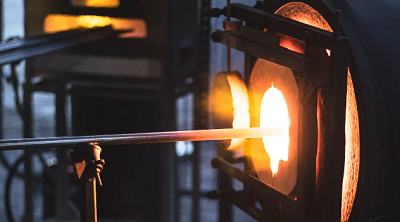
For factory managers and plant decision-makers, few things are as costly as unplanned downtime, inefficient fuel use, and safety risks near extreme heat zones. Whether you are running a cement rotary kiln, a steel reheating furnace, a glass melting tank, or a waste incinerator, the harsh thermal environment makes direct observation nearly impossible.
This is exactly where a high temperature furnace camera becomes indispensable.
Instead of relying on guesswork, indirect temperature readings, or frequent manual inspections, modern plants are adopting industrial thermal imaging systems to see what is happening inside the furnace in real time, without exposing personnel to danger or interrupting production.
Manufacturers like Changzhou LuMing have been focusing on developing specialized thermal monitoring equipment designed specifically for continuous operation in extreme temperatures, helping plants extend refractory life, improve combustion efficiency, and achieve a measurable return on investment.
Key Takeaways
An industrial furnace TV system provides continuous visual monitoring in furnaces operating from 800°C to over 2000°C, depending on configuration.
Real-time flame and material observation helps extend refractory lining life by 10–30% through early detection of abnormal wear.
Optimized combustion based on visual feedback can improve fuel utilization efficiency by 3–8% in many industrial furnaces.
Remote monitoring significantly reduces personnel exposure to hot zones, improving plant safety and compliance.
Applicable across cement, steel, glass, waste incineration, boilers, and other high-temperature industrial processes.
What Is a High Temperature Furnace Camera?
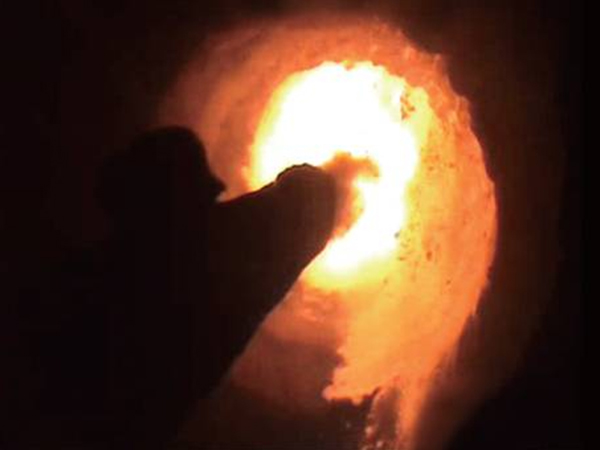
A furnace visual inspection solution is a specialized industrial visual system engineered to operate reliably in extreme thermal, dusty, and corrosive environments. Unlike standard industrial cameras, these systems combine:
High-temperature resistant optical assemblies
Advanced cooling structures (air or water cooled)
Protective housings made from heat-resistant alloys
Optical filters for flame, clinker, or molten material observation
The result is stable, real-time visual access to furnace interiors that would otherwise be inaccessible during operation. Changzhou LuMing’s furnace wall high temperature industrial TV systems are designed to be mounted directly on furnace walls, offering continuous observation without disrupting production.
Why Furnace Visibility Matters to Plant Managers
From a management perspective, the value of these monitoring systems is not the image itself—it’s what that image enables.
1. Downtime Reduction
Unplanned shutdowns often begin with small issues: localized refractory damage, flame instability, or material buildup. Visual monitoring allows operators to identify problems early, plan maintenance proactively, and avoid emergency stops.
2. Energy Efficiency Improvement
Fuel is one of the largest operating costs in high-temperature processes. A kiln monitoring camera enables visual flame tuning, helping operators adjust air-fuel ratios dynamically for cleaner, more efficient combustion.
3. Safety Enhancement
By reducing the need for manual inspections near furnace openings, thermal cameras for extreme environmentsminimize personnel exposure to radiant heat, flame flashback, and hot gas leakage.
Core Application Scenarios of Furnace Monitoring Systems
A) Cement and Lime Rotary Kilns
Typical Temperature Range: 900°C – 1450°C
Primary Challenges: Refractory wear, ring formation, and flame shape instability.
A kiln monitoring camera installed at the kiln hood or burning zone provides real-time visualization of flame shape and clinker movement. This helps operators:
Detect coating loss or hot spots early
Optimize burner adjustment
Extend refractory lining life by reducing thermal shock
B) Steel Industry: Reheating Furnaces, Continuous Casting, and Blast Furnaces
Typical Temperature Range: 1100°C – 1600°C
In steel production, even small process deviations can lead to surface defects or energy losses. An industrial thermal imaging system supports:
Visual billet positioning in reheating furnaces
Monitoring molten steel flow in continuous casting
Observing tuyere and burden conditions in blast furnace zones
These insights directly support stable production and improved yield.
C) Glass Melting Furnaces and Annealing Lehrs
Typical Temperature Range: 1200°C – 1600°C
Glass quality depends heavily on uniform temperature distribution and stable melting behavior. Furnace cameras allow operators to:
Observe glass melt behavior
Detect devitrification or cold spots
Adjust firing strategy without interrupting production
This leads to better product consistency and reduced fuel waste.
D) Waste Incinerators, Boilers, and Heat Treatment Furnaces
Typical Temperature Range: 800°C – 1300°C
In waste incineration and thermal treatment processes, regulatory compliance and safety are critical. A thermal camera for extreme environments helps ensure:
Complete combustion
Stable flame coverage
Reduced risk of slag buildup or furnace wall damage
Remote monitoring is particularly valuable in minimizing operator exposure.
E) Other High-Temperature Industrial Applications
Additional scenarios include:
| Application | Typical Process | Temperature Zone |
|---|---|---|
| Non-ferrous metal smelting | Molten bath monitoring | 1000–1400°C |
| Ceramic sintering kilns | Product and flame observation | 900–1350°C |
| Petrochemical reformers | Flame and tube monitoring | 800–1100°C |
Each of these environments benefits from continuous, non-intrusive visual access.
How Visual Monitoring Extends Refractory Life
Refractory materials fail primarily due to localized overheating, chemical attack, and mechanical erosion. Without visual data, damage often goes unnoticed until it becomes severe.
With real-time visual access provided by these cameras, operators can:
Identify hot spots in their earliest stages
Monitor flame impingement on refractory surfaces
Adjust operating parameters proactively before irreversible damage occurs
Field experience across multiple industries indicates that this proactive visual monitoring significantly extends refractory service life by allowing timely interventions, directly reducing maintenance costs and unplanned outages.
Improving Fuel Utilization and Energy Efficiency
Fuel efficiency is not just about fuel type—it’s about combustion quality.
An industrial furnace TV system allows real-time observation of:
Flame length and shape
Flame stability
Interaction between flame and material
By making incremental adjustments based on direct visual feedback, plants can optimize the air-fuel ratio, translating directly into measurable cost savings and reduced carbon emissions.
Enhancing Personnel Safety Through Remote Monitoring
Safety is a non-negotiable priority in high-temperature operations. Traditional inspection methods require operators to approach furnace doors or peep holes, exposing them to radiant heat and hot gases.
With remote furnace monitoring:
Operators observe safely from air-conditioned control rooms
Fewer manual, hazardous inspections are required
Exposure to extreme heat and potential flashback is significantly reduced
This aligns with modern safety management systems and helps plants meet stricter occupational safety standards.
System Reliability and Industrial Design Considerations
A reliable thermal monitoring system must include:
Stable cooling architecture (air or water cooled)
High-quality optical glass resistant to thermal shock
Sealed housings to prevent dust and corrosive gas ingress
Continuous operation capability for 24/7 production
Changzhou LuMing designs its furnace camera systems with industrial durability in mind, supporting long-term operation in the most demanding environments.
Typical Performance and Operational Metrics
| Performance Factor | Typical Range |
|---|---|
| Operating temperature tolerance | Up to 2000°C (process dependent) |
| Continuous operation | 24/7 industrial duty |
| Refractory life improvement | 10–30% |
| Fuel efficiency improvement | 3–8% |
| Inspection frequency reduction | 50–80% |
Actual performance varies based on furnace type, operating discipline, and maintenance practices.
Why Choose Changzhou LuMing?
Founded in 2013, Changzhou LuMing brings over 20 years of industry experience to the table. We are not just a supplier; we are a professional manufacturer dedicated to R&D and custom design for extreme environments, investing over 3 million RMB annually in innovation.
Here is what sets our industrial monitoring solutions apart:
Certified Quality & Safety: Our products are backed by ISO9001, CE, and Explosion-proof (3C) certifications, ensuring compliance with strict international safety standards.
Comprehensive Lifecycle Service: From market analysis and custom R&D to installation training and software updates. We offer a 2-year warranty and priority emergency repairs. Learn more about our end-to-end service process.
Proven Global Track Record: Our systems are trusted in over 30 countries. Explore our successful case studies in cement (including Conch Cement plants), metallurgy, float glass, and petrochemical industries.
By focusing on practical industrial needs rather than unnecessary complexity, LuMing helps plants achieve measurable operational improvements.
FAQ: Industrial Furnace Monitoring
Q1: What temperature can these industrial cameras handle?
Most systems are engineered for environments ranging from 800°C to over 2000°C. The exact tolerance depends on the specific furnace conditions, optical lens selection, and whether an air-cooled or water-cooled protective housing is used.
Q2: Can a furnace monitoring system really improve energy efficiency?
Absolutely. By providing real-time visual feedback on flame shape and stability, operators can dynamically optimize the air-fuel ratio. This precise combustion tuning typically yields measurable fuel savings and reduces carbon emissions.
Q3: Is the installation process complicated? Will it disrupt production?
No. Modern systems are designed for seamless furnace wall mounting. Our comprehensive service process includes step-by-step installation assistance and remote support, ensuring minimal to zero disruption to your ongoing operations.
Q4: How does this equipment enhance personnel safety?
It eliminates the need for operators to physically approach hazardous furnace doors or peep holes. By transmitting real-time video to a safe, air-conditioned control room, it significantly reduces exposure to radiant heat, hot gas leakage, and potential flashback risks.
Q5: What kind of after-sales support does Changzhou LuMing provide?
We stand behind our equipment with a 2-year warranty (parts and labor). Our support includes troubleshooting, software/firmware updates, regular calibration, and emergency repair services. We also provide user manuals, video tutorials, and on-site training upon request.

Recommended Products
Rotary Kiln Thermographic Monitoring System
Kiln Head High Temperature Flame Monitoring System
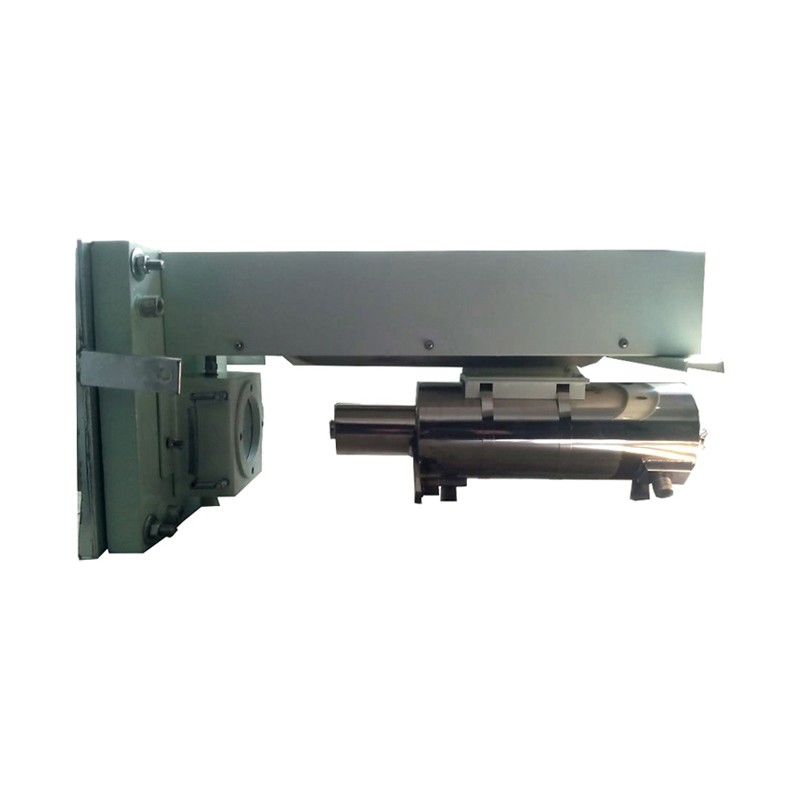
High-Temp Furnace Monitoring Camera | Auto-Retraction Industrial TV System
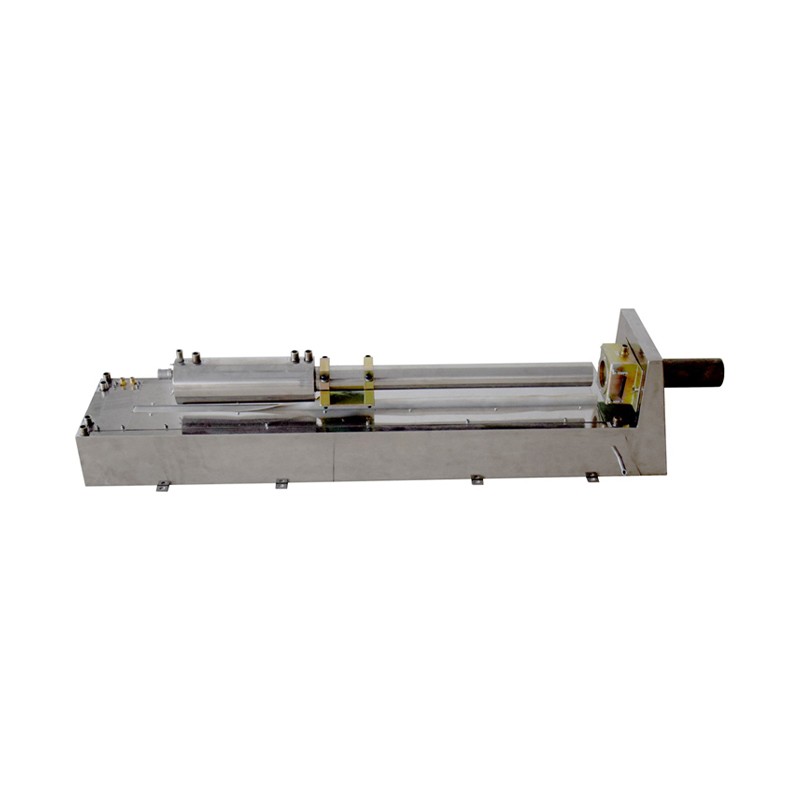
Glass Fiber Kiln Industrial TV System
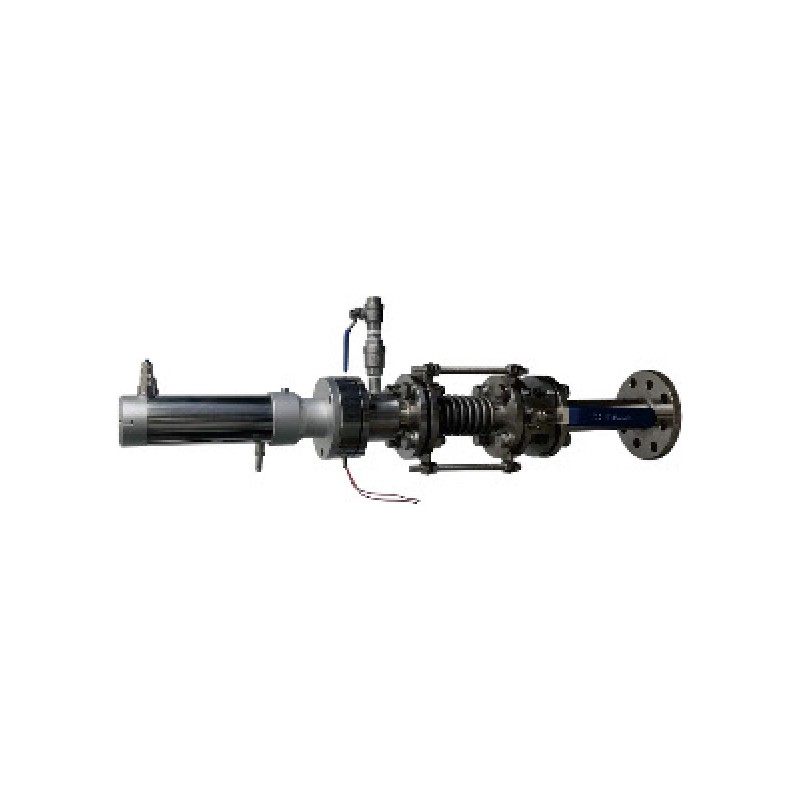
CCTV Camera Infrared Temperature Measurement System for Hot Blast Furnace Vault
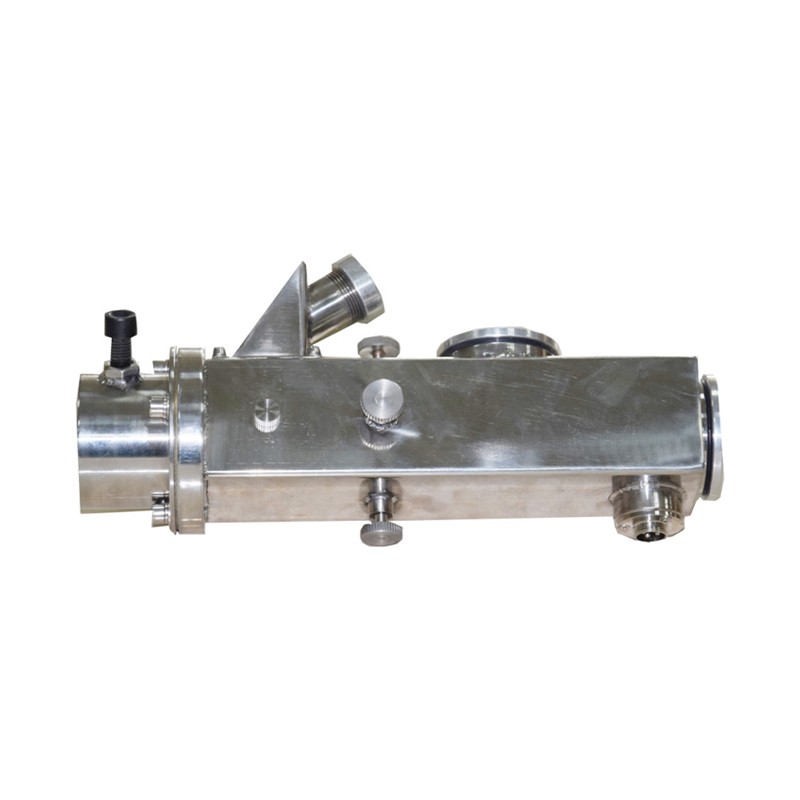
Blast Furnace Tuyere Imaging System for Video Monitoring
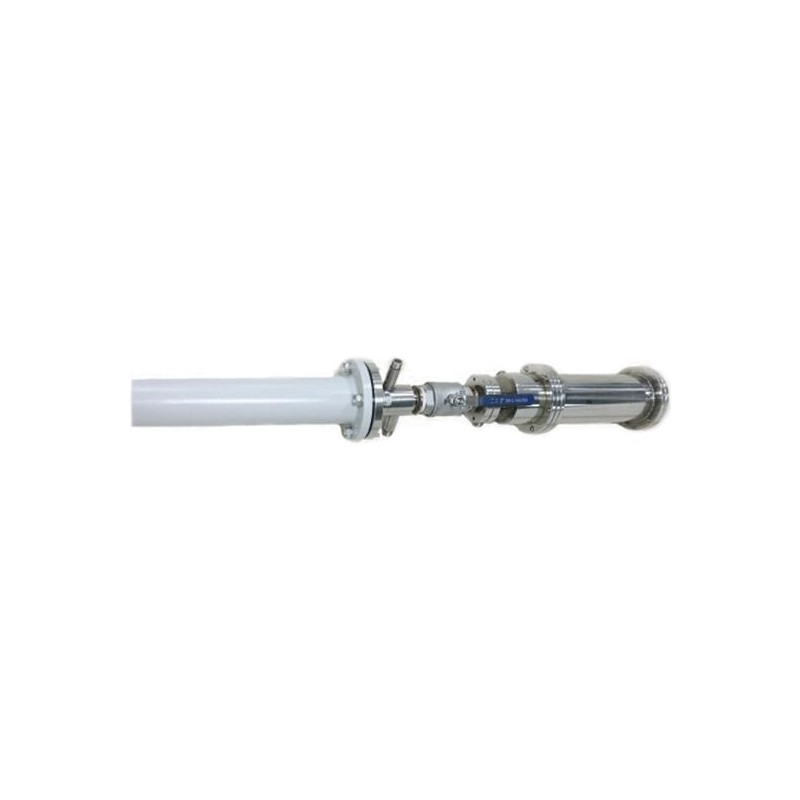
Vacuum Electric Furnace High Temperature Camera
Blast Furnace Top Thermal Image Distribution Monitoring System
Recent News
1.What Are Furnace Cameras and How Do They Work
2025-12-102.how furnace cameras monitor high-temperature industrial processes
2025-12-053.High Temperature Cameras for Furnaces and Industrial Applications
2025-11-104.Top 10 Best Industrial Uses for Explosion Proof Cameras
2025-12-175.High Temperature Cameras for Furnaces and Kilns
2025-12-246.Leading High Temperature Furnace Cameras for Industrial Monitoring
2026-01-15