



What Are the Key Features to Look for in a Radiation Resistant Camera?
 Jan 30, 2026|
 View:58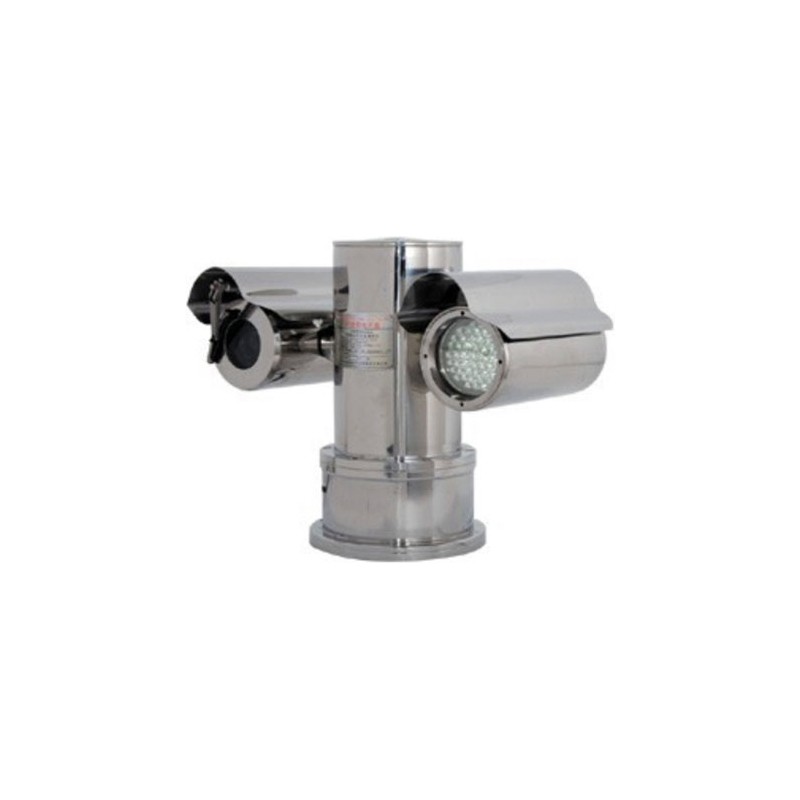
In nuclear facilities, medical radiation rooms, particle accelerators, and high-energy industrial environments, visibility is not optional—it is mission-critical. Standard imaging equipment simply cannot survive prolonged exposure to ionizing radiation. This is where a Radiation Resistant Camera becomes indispensable.
A well-designed radiation resistant camera allows operators to monitor processes remotely, protect personnel, prevent downtime, and ensure regulatory compliance, even under extreme radiation conditions. However, not all radiation resistant cameras are created equal. Selecting the wrong system can result in signal degradation, image failure, frequent replacements, or unsafe blind spots.
This guide breaks down the key features you must look for in a Radiation Resistant Camera, explained clearly and practically—so you can make a confident, informed decision.
Key Takeaways
A Radiation Resistant Camera must withstand ionizing radiation without image degradation
Radiation tolerance is measured in Gy (Gray) and must match your application
Sensor selection, shielding design, and signal stability are critical
Remote monitoring and maintenance-friendly design reduce exposure risks
Proper compliance and testing ensure long-term reliability
Choosing an experienced manufacturer like Changzhou Lu Ming improves lifecycle value
1. Radiation Tolerance Level: The Foundation of Performance
The most critical feature of any Radiation Resistant Camera is its ability to operate reliably under cumulative radiation exposure.
How Radiation Resistance Is Measured
Radiation resistance is typically rated in Gray (Gy):
| Radiation Dose Level | Typical Application |
|---|---|
| 10³ – 10⁴ Gy | Medical imaging rooms |
| 10⁵ – 10⁶ Gy | Nuclear power plants |
| 10⁷ Gy and above | Hot cells & high-radiation zones |
A professional radiation resistant camera should maintain stable imaging quality throughout its rated dose, not just survive initial exposure.
Changzhou Lu Ming designs radiation resistant cameras with engineered shielding and component selection to ensure consistent performance across high cumulative doses, reducing unexpected failures.
2. Image Sensor Stability Under Radiation
Radiation damages image sensors at the semiconductor level, causing:
Noise increase
Pixel burnout
Signal drift
Color distortion
What to Look For
A high-quality Radiation Resistant Camera should feature:
Radiation-hardened CMOS sensors
Optimized pixel architecture
Long-term noise suppression design
| Sensor Characteristic | Impact on Performance |
|---|---|
| Radiation-hardened CMOS | Maintains image clarity |
| Low dark current | Reduces noise buildup |
| Stable signal output | Prevents image flicker |
Lu Ming’s radiation resistant cameras use carefully selected sensors tested for radiation stability, ensuring readable images even after extended exposure.
3. Shielding Design and Camera Housing Materials
Radiation resistance is not only about internal electronics—it’s also about physical protection.
Effective Shielding Materials
| Material | Purpose |
|---|---|
| Stainless steel | Structural protection |
| Tungsten alloy | Gamma ray shielding |
| Lead composite | High-density radiation absorption |
An advanced Radiation Resistant Camera integrates shielding into the housing design, not as an afterthought.
Changzhou Lu Ming focuses on integrated shielding structures, balancing radiation attenuation with heat dissipation and compact size.
4. Optical System Durability
Radiation can cause optical darkening and lens degradation over time.
Key Optical Features
Radiation-resistant glass
Anti-browning coatings
Fixed-focus or radiation-optimized lenses
| Optical Feature | Benefit |
|---|---|
| Anti-browning glass | Maintains transparency |
| Sealed optical path | Prevents contamination |
| Precision alignment | Ensures long-term clarity |
A reliable radiation resistant camera ensures that optical quality degrades minimally across its service life.
5. Signal Transmission and Interference Resistance
Radiation environments often create electromagnetic interference (EMI) and signal instability.
Best Practices for Signal Integrity
Shielded signal cables
Stable analog or digital output
Long-distance transmission support
| Signal Feature | Why It Matters |
|---|---|
| EMI shielding | Prevents image distortion |
| Stable output format | Ensures system compatibility |
| Long cable tolerance | Enables remote monitoring |
Lu Ming radiation resistant cameras are designed for stable signal output in high-interference zones, ensuring operators never lose visual control.
6. Thermal Management in High-Radiation Zones
Radiation environments often coincide with high temperatures.
A professional Radiation Resistant Camera should include:
Passive heat dissipation design
Heat-resistant internal components
Thermal isolation from radiation shielding
| Temperature Range | Typical Requirement |
|---|---|
| 0°C – 50°C | Standard monitoring |
| 0°C – 80°C | Industrial radiation areas |
| 80°C+ | Specialized applications |
Proper thermal design prevents sensor drift and premature failure.
7. Remote Operation and Maintenance Safety
One of the biggest advantages of using a Radiation Resistant Camera is reducing human exposure.
Essential Remote Features
Remote pan/tilt (if required)
Plug-and-play replacement
Minimal calibration needs
| Feature | Safety Benefit |
|---|---|
| Remote monitoring | Reduces personnel exposure |
| Modular design | Faster replacement |
| Long service intervals | Lower maintenance frequency |
Changzhou Lu Ming prioritizes maintenance-friendly designs, minimizing the need for on-site intervention.
8. Compliance, Testing, and Reliability
EEAT principles demand proven expertise and real-world validation.
A trustworthy radiation resistant camera should undergo:
Radiation dose testing
Long-term aging tests
Industrial environment validation
| Test Type | Purpose |
|---|---|
| Radiation exposure test | Verifies tolerance |
| Thermal cycling | Ensures stability |
| Continuous operation test | Confirms reliability |
Lu Ming conducts application-based testing, not just laboratory simulations.
9. Application-Specific Adaptability
Different industries require different configurations.
| Industry | Camera Requirement |
|---|---|
| Nuclear energy | Ultra-high radiation tolerance |
| Medical radiation | Clean imaging & compact design |
| Research labs | High precision and stability |
A flexible Radiation Resistant Camera platform ensures long-term usability across evolving requirements.
Why Changzhou Lu Ming Radiation Resistant Cameras Stand Out
With years of experience in industrial imaging, Changzhou Lu Ming focuses on:
Practical radiation resistance
Stable long-term performance
User-friendly integration
Application-driven design
Rather than overengineering complexity, Lu Ming delivers balanced, reliable radiation resistant camera solutions designed for real-world use.
FAQ: Radiation Resistant Camera
What is a Radiation Resistant Camera used for?
A radiation resistant camera is used to monitor processes in environments with ionizing radiation while protecting equipment and personnel.
How much radiation can a Radiation Resistant Camera withstand?
Depending on design, radiation resistant cameras can tolerate from 10³ Gy to over 10⁷ Gy, based on application needs.
Does radiation affect image quality over time?
Yes, but high-quality radiation resistant cameras are engineered to minimize image degradation throughout their rated lifespan.
Can radiation resistant cameras operate continuously?
Yes. Professional radiation resistant cameras are designed for 24/7 continuous monitoring.
How do I choose the right Radiation Resistant Camera?
Evaluate radiation dose, temperature, optical requirements, and long-term reliability—then choose a manufacturer with proven experience like Changzhou Lu Ming.