


How Do Explosion-Proof Cameras Differ from Regular Cameras?
 Feb 06, 2026|
 View:28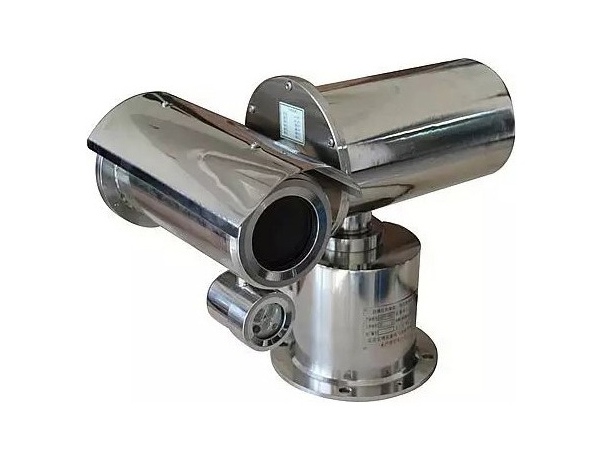
In hazardous industrial environments, vision is safety. Whether you are operating in oil & gas facilities, chemical plants, mining zones, or grain processing sites, the ability to monitor operations visually can prevent accidents, reduce downtime, and protect lives. However, not all cameras are created equal.
This is where explosion-proof cameras fundamentally differ from regular cameras.
Many buyers ask a simple but critical question: “Why can’t I use a normal camera in hazardous areas?” The answer lies in engineering, certification, materials, and risk control. In this article, we’ll break down how explosion-proof cameras differ from regular cameras, focusing on real-world use cases, safety standards, cost considerations, and long-term value—without unnecessary technical complexity.
As a professional manufacturer, Changzhou Lu Ming designs explosion-proof cameras specifically for harsh and hazardous environments, helping industrial operators achieve safer and more reliable visual monitoring.
Key Takeaways
Explosion-proof cameras are designed to prevent ignition, not just survive explosions
Regular cameras are not certified for hazardous locations
Explosion-proof cameras use sealed housings, special materials, and thermal control
Certification (ATEX, IECEx, etc.) is a core difference, not an optional feature
Choosing the wrong camera can lead to serious safety, legal, and financial risks
What Is an Explosion-Proof Camera?
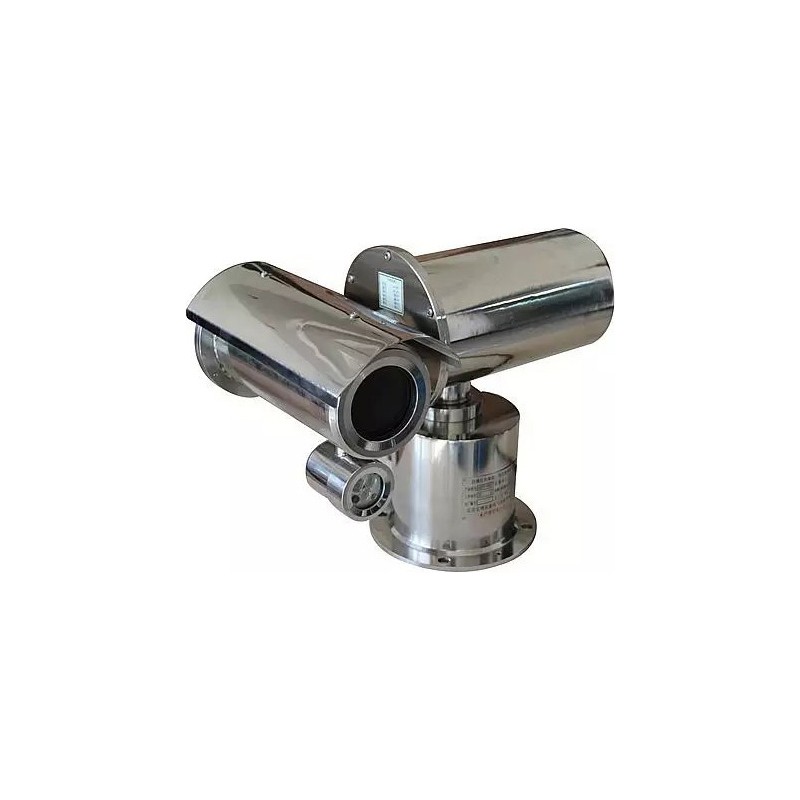
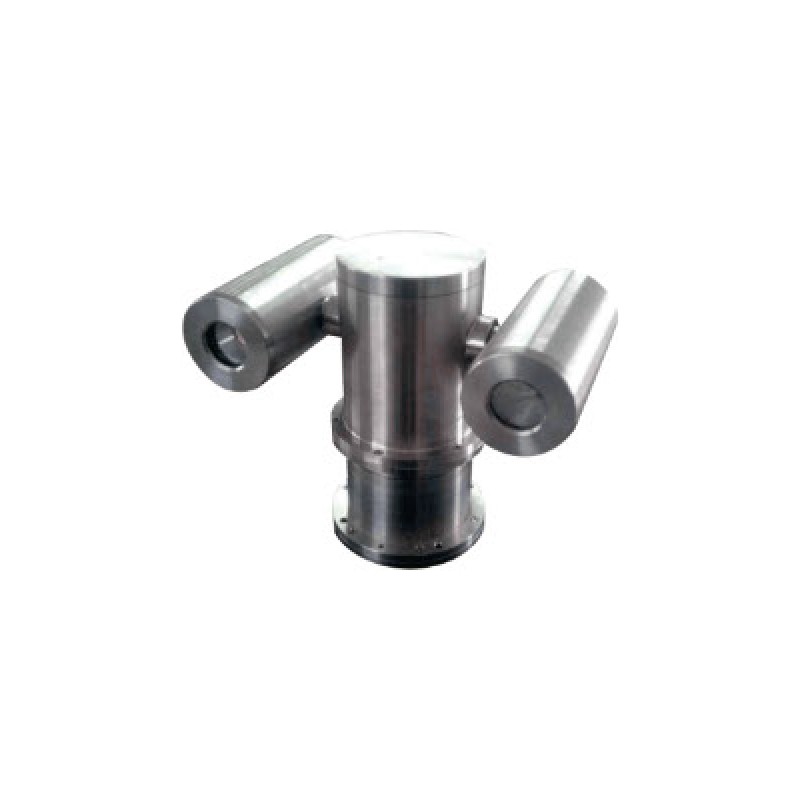
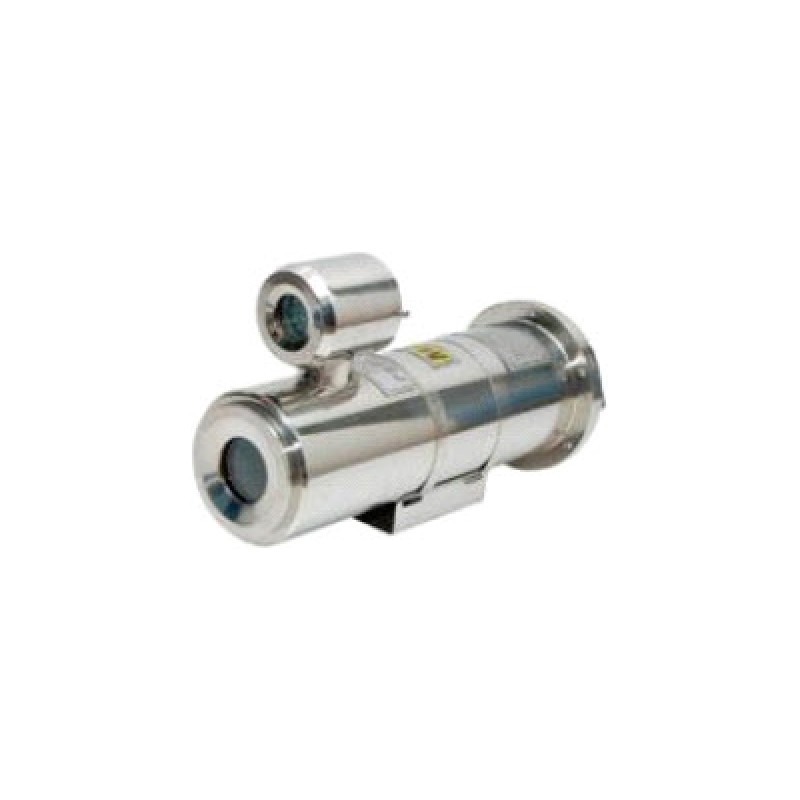
An explosion-proof camera is a specialized industrial camera engineered to operate safely in environments containing flammable gases, vapors, dust, or fibers. The key principle is simple but powerful:
Even if an internal spark or heat occurs, it will not ignite the surrounding atmosphere.
This is achieved through:
Flame-path engineering
High-strength sealed enclosures
Strict temperature control
International safety certifications
Explosion-proof cameras are commonly used in:
Oil refineries
Chemical processing plants
LNG facilities
Coal mines
Grain silos
Hazardous material storage areas
What Is a Regular Camera?
A regular camera—including CCTV, IP cameras, or consumer-grade surveillance cameras—is designed for non-hazardous environments such as offices, warehouses, retail spaces, or residential areas.
While regular cameras may offer:
High resolution
Smart analytics
Lower cost
They lack the structural, thermal, and certification requirements needed for explosive atmospheres.
Core Differences Between Explosion-Proof Cameras and Regular Cameras
1. Safety Design Philosophy
Explosion-Proof Cameras
Designed with preventive safety in mind. Every component—from the enclosure to internal circuitry—is engineered to eliminate ignition risks.
Regular Cameras
Designed for functionality and cost efficiency, not ignition prevention.
Key Difference:
Explosion-proof cameras prioritize risk elimination, while regular cameras prioritize basic surveillance.
2. Enclosure Materials and Structure
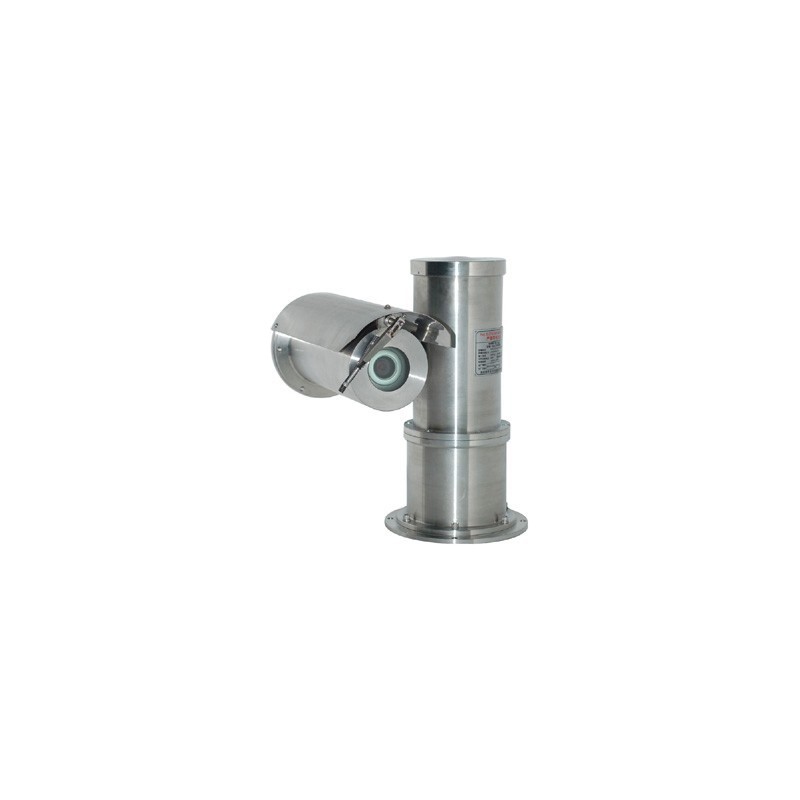
Explosion-proof cameras use:
Stainless steel or high-grade aluminum alloy
Thick, pressure-resistant housings
Precision-machined flame paths
Regular cameras typically use:
Plastic or thin metal housings
Ventilation openings
Lightweight construction
Why it matters:
If an internal spark occurs, explosion-proof housings contain and cool escaping gases, preventing ignition outside the enclosure.
3.Temperature and Spark Control
Explosion-proof cameras feature:
Low-power internal components
Controlled surface temperature
Heat-dissipating designs
Regular cameras:
Can overheat
May generate sparks during power fluctuation
Have no surface temperature limitation
In explosive environments, excessive heat alone can trigger ignition, even without sparks.
4. Environmental Resistance
Explosion-proof cameras are built for:
Extreme temperatures
High humidity
Corrosive chemicals
Dust-heavy atmospheres
Regular cameras:
Are vulnerable to corrosion
Fail quickly in harsh environments
This makes explosion-proof cameras suitable for long-term industrial deployment.
5. Installation and Maintenance
Explosion-proof cameras require:
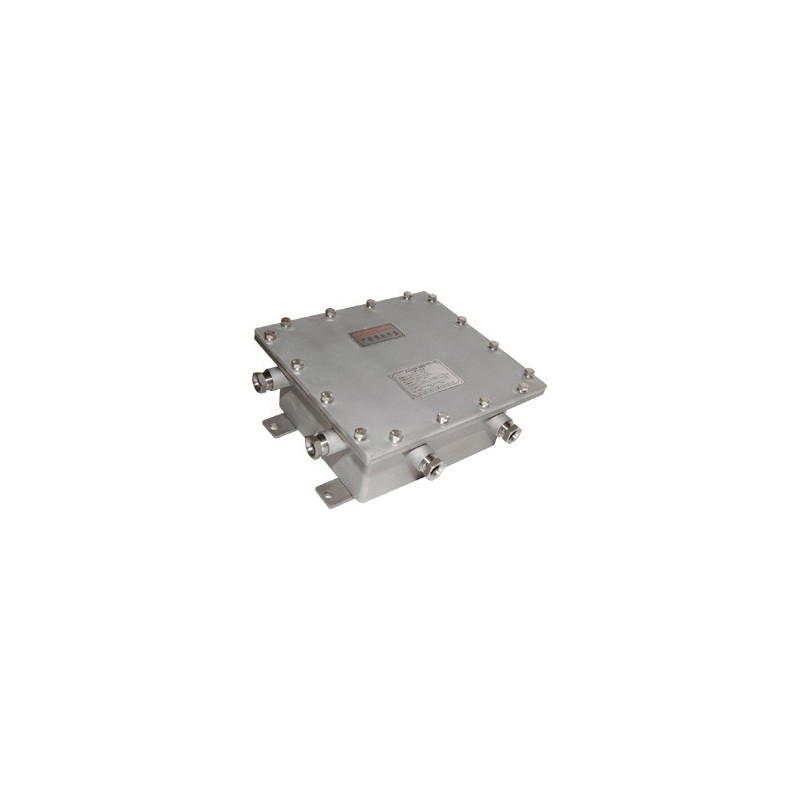
Certified cable glands
Sealed wiring paths
Professional installation
Regular cameras:
Use standard cabling
Require minimal installation expertise
While installation costs for explosion-proof cameras are higher, they reduce long-term safety and compliance risks.
Cost Comparison: Short-Term vs Long-Term Value
| Cost Factor | Explosion-Proof Cameras | Regular Cameras |
|---|---|---|
| Initial Cost | Higher | Lower |
| Compliance Cost | Included | Not compliant |
| Safety Risk | Very Low | High |
| Equipment Lifespan | Long | Short in harsh areas |
| Accident Liability | Minimal | Significant |
Key Insight:
Explosion-proof cameras cost more upfront but save money by preventing accidents, shutdowns, and fines.
Where Regular Cameras Should NEVER Be Used
Regular cameras should not be used in:
Explosive gas zones
Chemical vapor environments
Dust explosion areas
Confined industrial spaces with flammable substances
Using regular cameras in such locations can:
Violate safety regulations
Invalidate insurance
Cause catastrophic accidents
Why Industrial Buyers Choose Explosion-Proof Cameras from Changzhou Lu Ming
Changzhou Lu Ming specializes in explosion-proof camera solutions tailored for special explosion-protection industry applications. Our products are designed to meet real industrial challenges, not just theoretical standards.
Key advantages include:
Industrial-grade explosion-proof housing
Compliance with international hazardous-area standards
Stable imaging performance in harsh conditions
Solutions designed for long-term operation
Our explosion-proof cameras help customers achieve safer monitoring, regulatory compliance, and operational confidence.
Choosing the Right Camera: A Practical Checklist
Before choosing between explosion-proof cameras and regular cameras, ask yourself:
Is the environment classified as hazardous?
Are flammable gases, vapors, or dust present?
Is certification legally required?
Will the camera operate 24/7 in harsh conditions?
If the answer is yes, an explosion-proof camera is not optional—it is essential.
FAQ
Q1: Can I modify a regular camera to make it explosion-proof?
No. Explosion-proof cameras must be certified as a complete system. Modifications do not provide legal or safety compliance.
Q2: Are explosion-proof cameras only for oil and gas?
No. They are widely used in chemical plants, mining, food processing, and manufacturing where explosive risks exist.
Q3: Do explosion-proof cameras affect image quality?
No. Modern explosion-proof cameras provide high-quality, stable imaging comparable to regular industrial cameras.
Q4: Are explosion-proof cameras difficult to maintain?
Not necessarily. When properly installed, they often require less maintenance due to their rugged design.
Q5: Is certification really mandatory?
Yes. In hazardous areas, certification is a legal and safety requirement, not a recommendation.