



Reliable Heat Resistant Camera for Furnace: 3 Core Cooling Technologies Explained
 Feb 28, 2026|
 View:32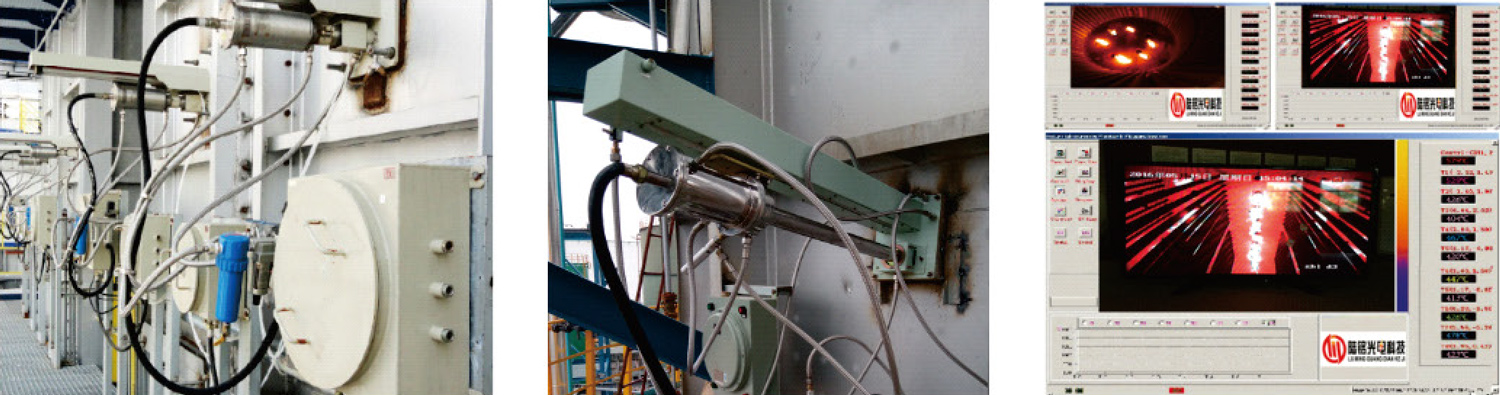
In industries like steel, cement, and glass manufacturing, monitoring the interior of a furnace is a battle against some of the harshest conditions on Earth. With temperatures often exceeding 1000°C, high dust concentrations, and corrosive gases, standard imaging equipment would incinerate within seconds. For plant engineers, the challenge isn't just "seeing" the process—it is ensuring the equipment survives to provide actionable data.
The essence of a professional heat resistant camera for furnace lies in its systematic thermal protection. It is not about a single "heat-proof" material; it is about a sophisticated, multi-layered cooling architecture. At Changzhou Lu Ming, we specialize in engineering furnace camera systems that integrate air cooling, water cooling, and automated safety logic to keep sensitive electronics operational in a "sea of fire."
Key Takeaways
Multi-Layer Protection: Combining liquid and pneumatic cooling is the only way to ensure 24/7 reliability at 1000°C+.
Active Failsafe: An automatic retraction mechanism is the "last line of defense" during utility failures.
Optical Clarity: Specialized sapphire lenses combined with air curtains prevent debris buildup and thermal shock.
1. Dual-Layer Cooling: The Foundation of Thermal Stability
To keep a camera sensor below its 60°C safety threshold while the furnace exterior is at 1000°C, a dual-layer approach is mandatory.
Vortex Air Cooling
The inner chamber of a heat resistant camera for furnace utilizes vortex cooling. Compressed air is spun at high speeds to create a cold-air core that envelopes the sensor. This provides the primary internal micro-climate.
Water-Jacket Insulation
For extreme environments, a stainless-steel water jacket surrounds the air-cooled core. Because water has a much higher heat capacity than air, it carries away massive amounts of thermal energy, ensuring the furnace camera system remains stable even during furnace temperature spikes.
2. Lens Protection: The Sapphire Shield and Air Curtain
The lens is the most vulnerable part of any high temperature camera. It must remain transparent while resisting flying clinker and intense heat.
Sapphire Glass:Changzhou Lu Ming utilizes optical-grade sapphire with a melting point over 2000°C. Its extreme hardness resists abrasive dust found in cement kilns.
The Air Curtain (Air Purge): A high-pressure "curtain" of air is blown across the front of the lens. This pneumatic barrier prevents ash, slag, or oil from touching the glass, enabling "maintenance-free" operation.
3. The Last Line of Defense: Automatic Retraction
In industrial settings, the loss of power, air, or water is an inevitable risk. Without a failsafe, a furnace camera system would be destroyed instantly when cooling stops.
The Automatic Retraction Mechanism is a critical precaution. Within 0.5 seconds, the system detects utility failure and physically pulls the probe out of the furnace wall. This protects your investment from catastrophic sensor burnout.
Technical Comparison of Cooling Methods
| Feature | Air Cooling Only | Dual (Air + Water) | Industrial Benefit |
|---|---|---|---|
| Max Temp Range | Up to 700°C | Up to 2000°C | Essential for 1000°C+ environments. |
| Media Requirement | Clean Compressed Air | Air + Industrial Water | Filtered media prevents scale buildup. |
| Safety Margin | Standard | High | Higher buffer during upsets. |
FAQ: High Temperature Furnace Camera Systems
Q1: What is the most common cause of furnace camera failure?
The loss of cooling media without a functioning automatic retraction system is the primary cause of total equipment loss.
Q2: Can these cameras see through heavy smoke or flames?
Yes, when equipped with Near-Infrared (NIR) sensors, our systems can penetrate flames to reveal the actual surface of the material.
Q3: How often do I need to manually clean the lens?
If the air curtain is properly pressurized, the lens can remain clear for months without manual cleaning.
Recommended Products
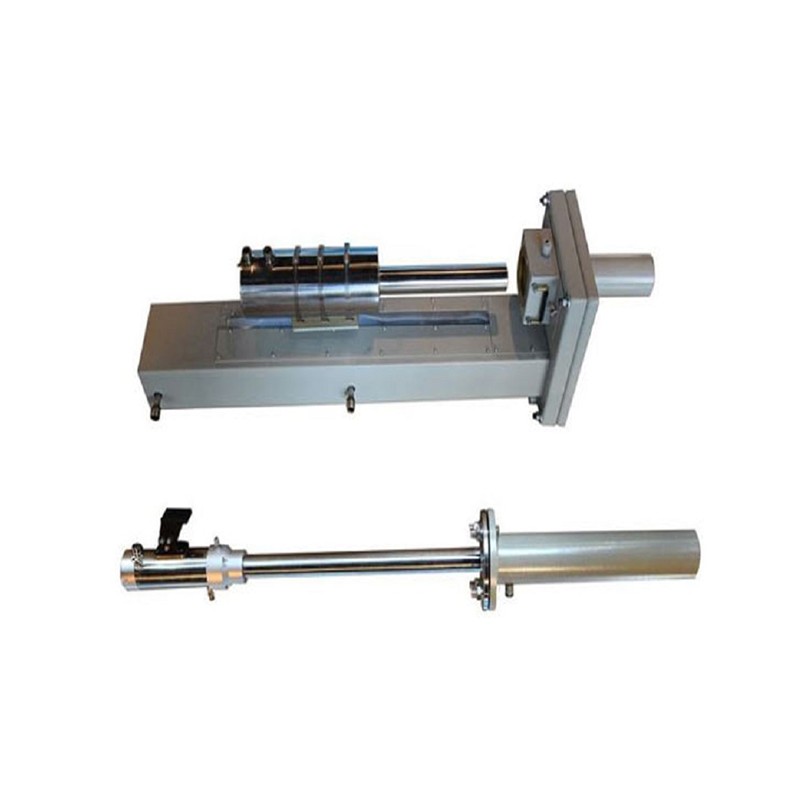
Rotary Kiln Thermographic Monitoring System
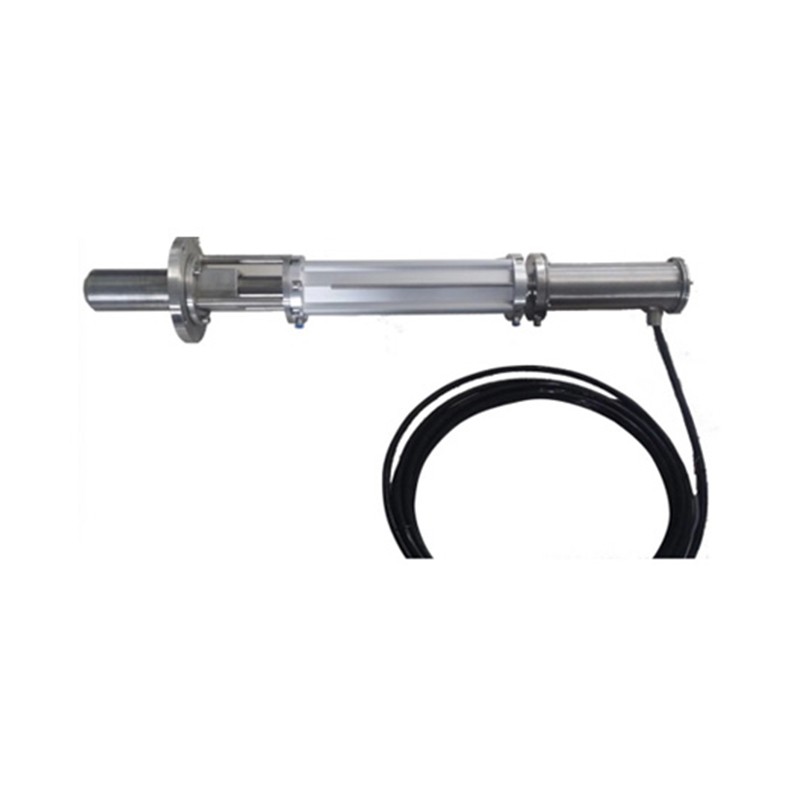
Kiln Head High Temperature Flame Monitoring System
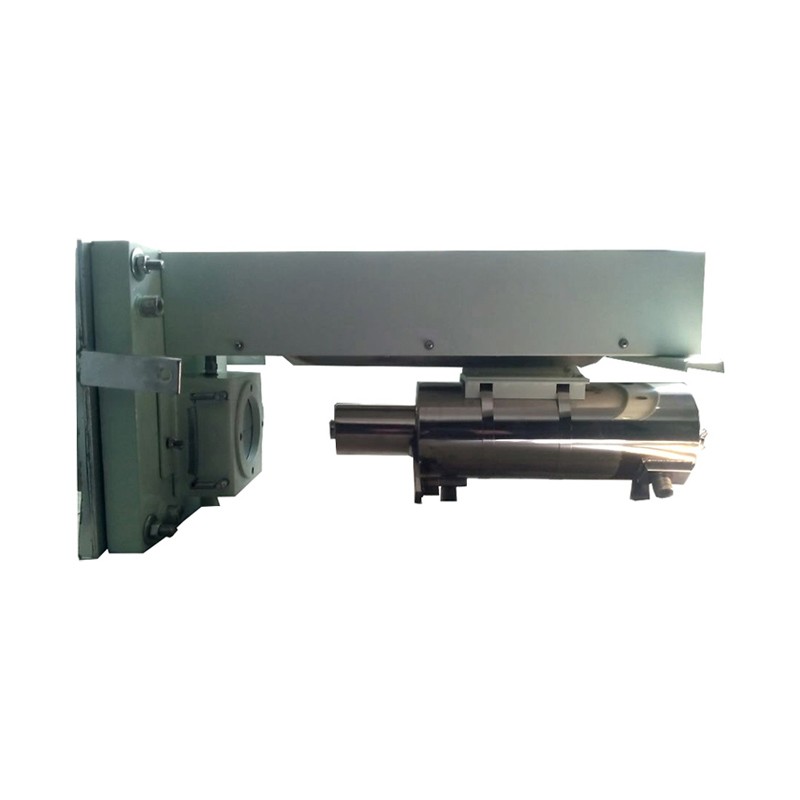
High-Temp Furnace Monitoring Camera | Auto-Retraction Industrial TV System
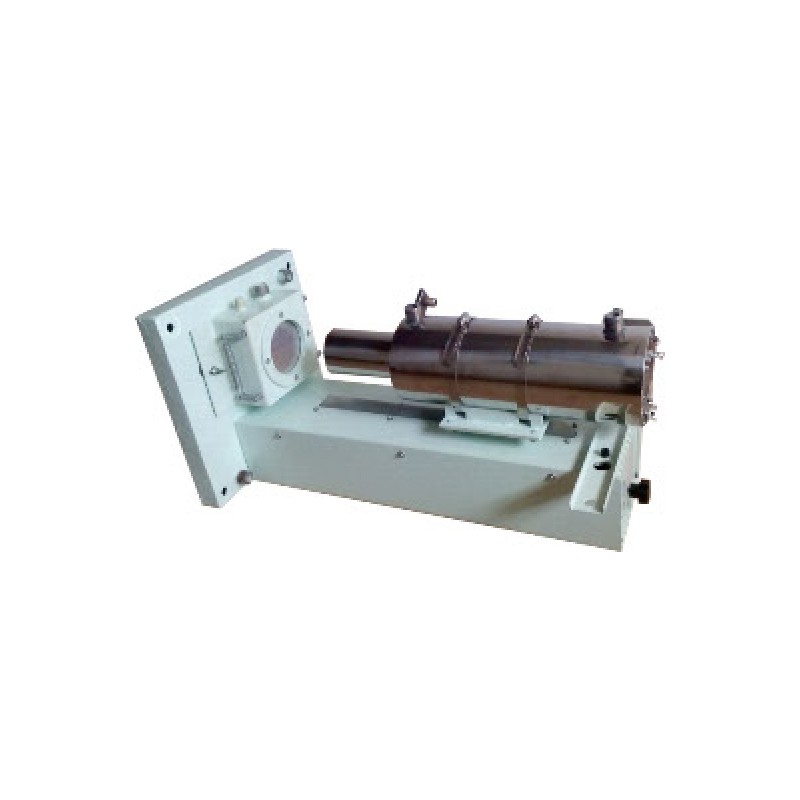
Manual Back Gable High Temperature Industrial CCTV System
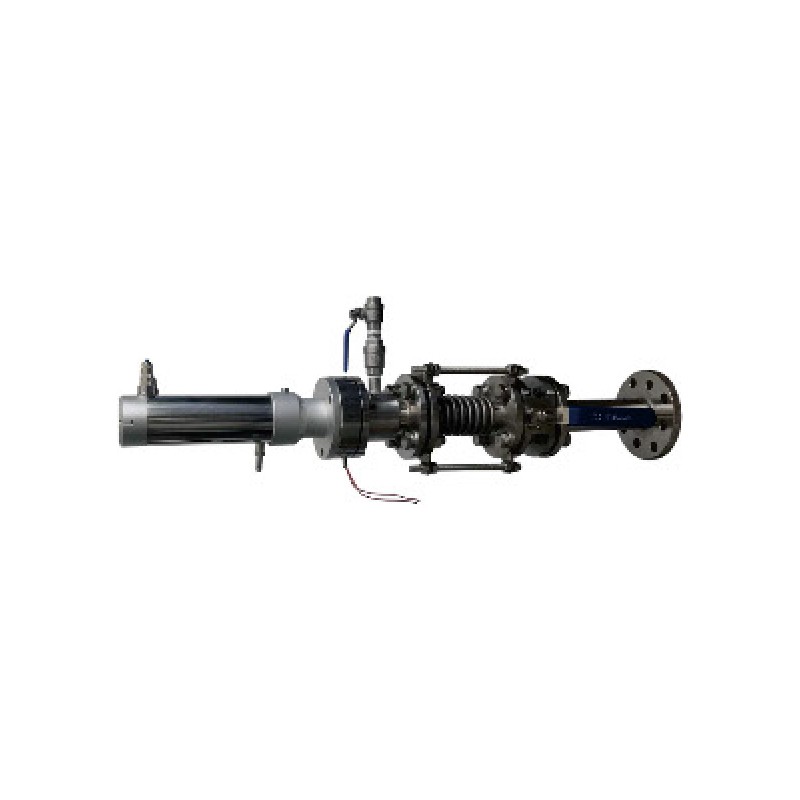
CCTV Camera Infrared Temperature Measurement System for Hot Blast Furnace Vault
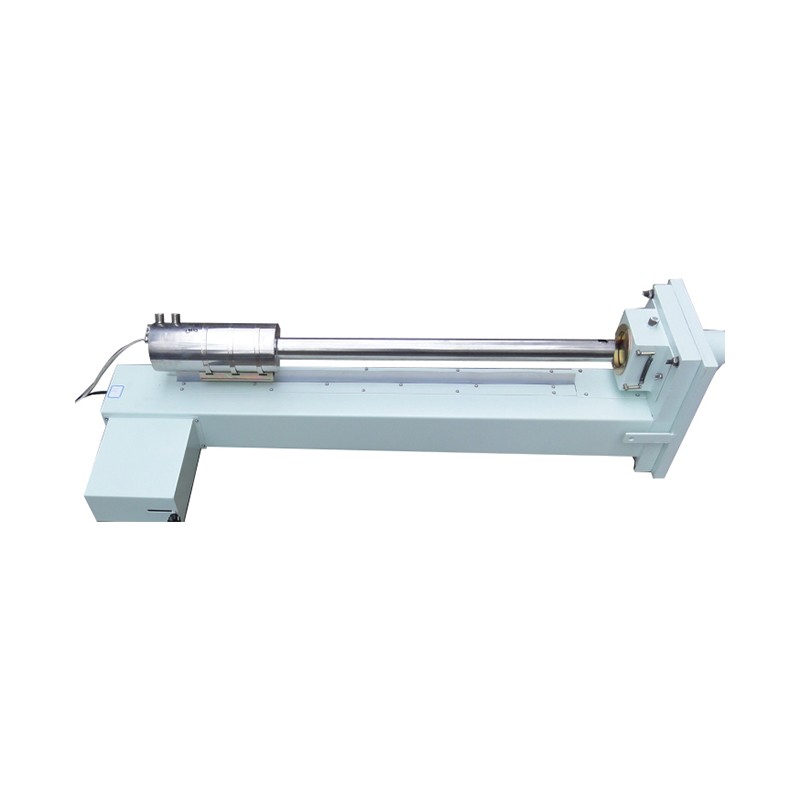
Heating Furnace High Temperature Industrial TV System
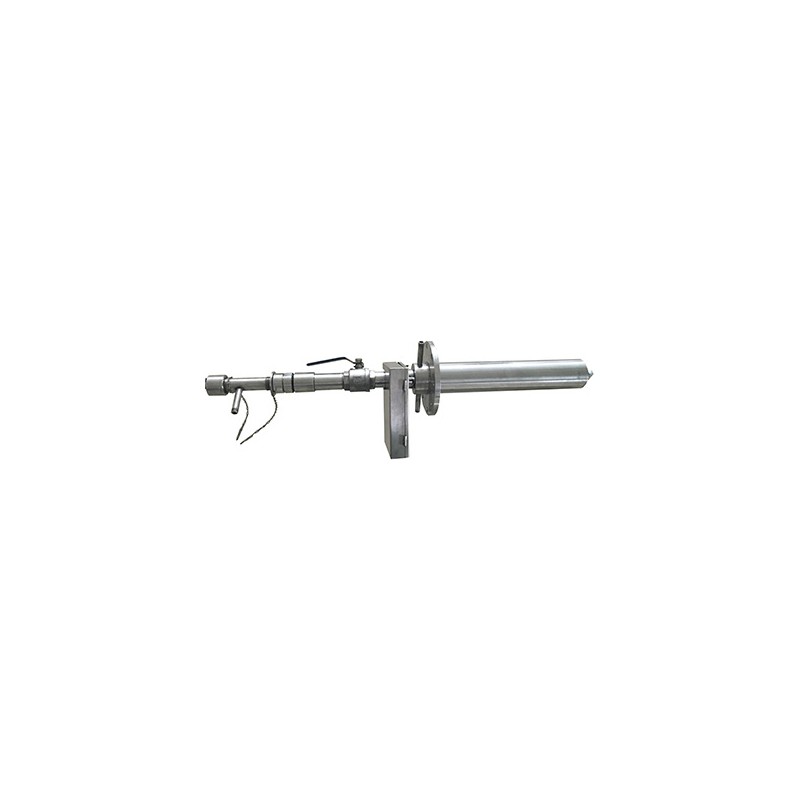
Blast Furnace Top Thermal Imaging System for steel industry
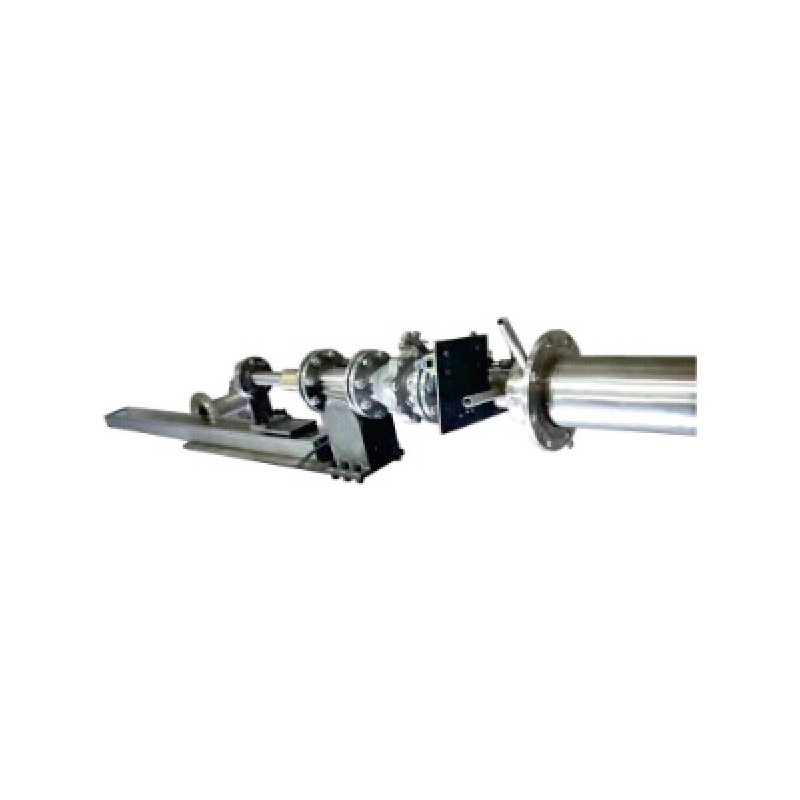
Blast Furnace Top Thermal Image Distribution Monitoring System
Recent News
1.Top 10 Best Industrial Uses for Explosion Proof Cameras
2025-12-172.What Are Furnace Cameras and How Do They Work
2025-12-103.how furnace cameras monitor high-temperature industrial processes
2025-12-054.What Is an Explosion-Proof Camera?Complete Guide for 2025
2025-11-215.Can You Put a Camera in a Kiln? The Complete Guide to Cement Rotary Kiln Monitoring
2025-08-196.Industrial video cameras for the most hazardous environments
2025-08-19