



How High Temperature Furnace Camera Systems Revolutionize Blast Furnace Efficiency and Safety
 Feb 24, 2026|
 View:33
In the heart of a steel mill or a power plant, the interior of a furnace is a violent environment of extreme heat, swirling dust, and high pressure. Historically, engineers had to rely on indirect sensors and "blind" estimations to understand what was happening inside. However, with the advent of advanced high temperature furnace camera systems, the industry has gained a set of "eyes" capable of withstanding environments exceeding 1800°C.
At Changzhou Luming Optoelectronics Technology Co., ltd., we have spent decades perfecting the art of industrial imaging. We know that for a plant manager, a camera is not just a gadget; it is a critical safety component and a tool for process optimization. This comprehensive guide explores how high temperature furnace camera systems function, why they are essential for modern blast furnaces, and how to choose the right system for your facility.
Key Takeaways
Operational Safety:High temperature furnace camera systems prevent catastrophic failures by identifying "hot spots" and refractory wear in real-time.
Process Optimization: Real-time visual data allows for precise control over burden distribution and combustion, reducing fuel consumption.
Protection Mechanisms: Modern systems feature auto-retraction technology that pulls the camera to safety during power or cooling failures.
Advanced Imaging: The combination of pinhole optics and infrared filtering allows for crystal-clear images even through heavy smoke and flame.
1. What are High Temperature Furnace Camera Systems?
A high temperature furnace camera systems is a specialized imaging solution designed to operate within the extreme thermal zones of industrial kilns, boilers, and blast furnaces. Unlike standard security cameras, these systems are engineering marvels that combine optical physics with mechanical protection.
Core Components
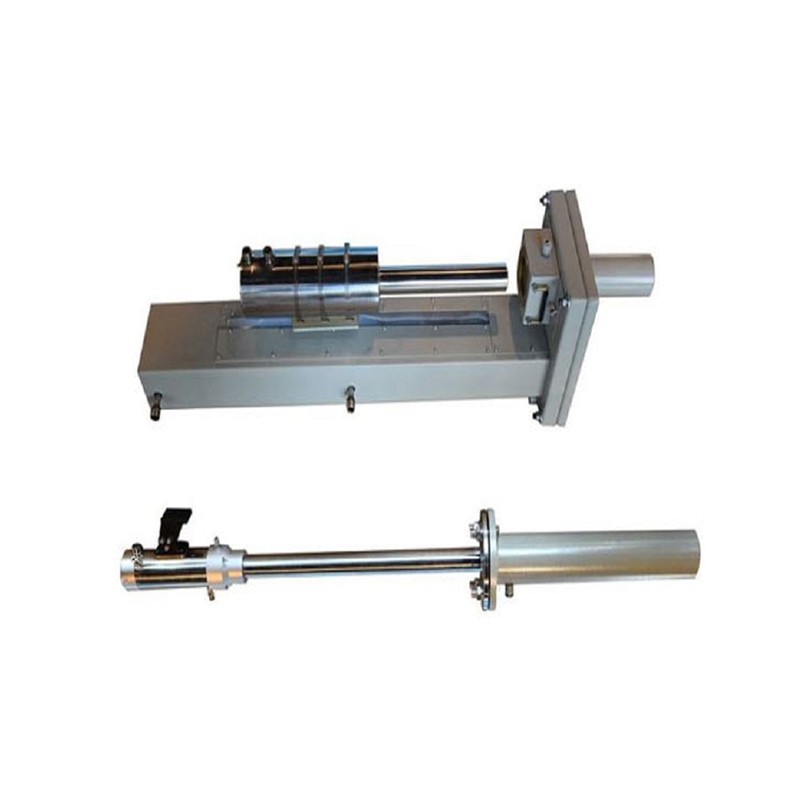
The Probe Lens: A long, stainless steel or Hastelloy tube housing high-precision optics. It often uses a "pinhole" design to minimize the surface area exposed to heat.
Cooling Shield: A multi-layered jacket that circulates compressed air or water to keep the internal electronics at a stable temperature.
The Camera Unit: A high-dynamic-range (HDR) sensor capable of processing intense light levels without "washing out" the image.
Auto-Retraction Device: A pneumatic or electrical slide that removes the probe from the furnace if cooling parameters drop below a safe threshold.
2. Why Your Blast Furnace Needs Real-Time Monitoring
Operating a blast furnace without high temperature furnace camera systems is like driving a car with a blackened windshield. Visual data is the missing link in a fully automated factory.
Optimizing Burden Distribution
In a blast furnace, the way raw materials (coke and ore) are layered—known as burden distribution—dictates the efficiency of the gas flow. If the layers are uneven, the furnace consumes more fuel and produces lower-quality iron. High temperature furnace camera systems allow operators to see the "top" of the furnace, ensuring that the distribution arms are working correctly and the material flow is optimal.
Refractory and Liner Protection
The interior walls of a furnace are lined with expensive refractory bricks. Over time, these wear down. By using a high temperature furnace camera systems equipped with thermal imaging capabilities, engineers can identify areas where the lining is thinning before a "breakout" occurs, saving millions in emergency repair costs.
3. Technical Challenges: Overcoming Heat and Dust
The primary reason why standard cameras fail in industrial settings is the inability to handle the "Triple Threat": Heat, Pressure, and Contamination.
The Cooling Dilemma: Air vs. Water
Most high temperature furnace camera systems utilize one of two cooling methods:
Air Cooling: Ideal for environments up to 1000°C where a constant supply of clean, dry compressed air is available. The air also creates a "curtain" in front of the lens to blow away dust.
Water Cooling: Necessary for temperatures exceeding 1200°C. Water has a much higher heat-carrying capacity, ensuring the camera remains below 50°C even when the furnace is at 1600°C.
Pinhole Technology
How can a lens look into a fire without melting? The secret is the pinhole. By reducing the aperture to a tiny fraction of an inch, the amount of infrared radiation (heat) entering the lens is drastically reduced. At Changzhou Luming, our pinhole designs provide a wide field of view (up to 120°) through an opening no larger than a needle head.
4. Safety First: The Auto-Retraction System
The most critical part of a high temperature furnace camera systems is not the camera itself, but the system that protects it. Industrial environments are prone to power outages and water pressure drops.
If the cooling stops, a camera probe inside a furnace will melt within minutes. An advanced high temperature furnace camera systems must include an automatic retraction unit. This device uses a reserve tank of compressed air to physically pull the camera out of the furnace the moment it detects a fault.
5. Industrial Applications Across Sectors
While blast furnaces are a primary user, high temperature furnace camera systems are vital across various heavy industries:
Comparison of Industry Applications
| Industry | Temperature Range | Primary Monitoring Goal |
| Steel (Blast Furnace) | 1200°C - 1600°C | Burden distribution & Tap hole monitoring |
| Cement (Rotary Kiln) | 1000°C - 1450°C | Clinker formation & Flame shape |
| Glass Manufacturing | 1300°C - 1550°C | Batch melting & Refractory condition |
| Power Generation | 800°C - 1200°C | Burner flame stability & Ash buildup |
| Waste Incineration | 850°C - 1100°C | Grate combustion & Feed control |
6. How to Choose the Right System
When sourcing high temperature furnace camera systems, you must look beyond the price tag. As an experienced manufacturer, we recommend evaluating suppliers based on three pillars:
1. Expertise in Optics
Does the manufacturer understand spectral filtering? In a furnace, the flame brightness can hide the material surface. A professional system uses specialized optical filters to "cut through" the flame, allowing you to see the solid materials underneath.
2. Engineering Authority
Look for systems that are ISO 9001 certified and have a proven track record in extreme environments.
3. Trustworthy Protection
Ensure the system is built with 316L stainless steel or higher-grade alloys. The housing must be corrosion-resistant, especially in waste-to-energy plants where acidic gases are present.
7.FAQ
Q1: Can high temperature furnace camera systems see through thick smoke?
Yes, by using specific infrared wavelengths and digital image enhancement, professional high temperature furnace camera systems can provide clear images even in environments with heavy particulate matter or "dark" smoke.
Q2: What maintenance is required?
The primary maintenance involves checking the air/water filters and ensuring the lens tip is free of slag buildup. Most systems are designed for "set it and forget it" operation for several months at a time.
Q3: How do I choose between a fixed and a portable system?
Fixed high temperature furnace camera systems are for 24/7 process control. Portable systems are generally used by maintenance teams for periodic inspections of refractory health or troubleshooting specific burner issues.
Q4: Is water cooling better than air cooling?
Water cooling is more efficient at removing heat, but it requires a plumbing infrastructure. Air cooling is easier to install but is generally limited to lower-temperature zones or "cleaner" furnaces.
Conclusion: Investing in the Future of Your Plant
As global industries move toward "Smart Factories" and Industry 4.0, the role of high temperature furnace camera systems will only grow. Visual data is the foundation of digital twins and AI-driven combustion control. By installing a high-quality system from a trusted partner like Changzhou Luming Optoelectronics Technology Co., ltd., you are not just buying a camera—you are investing in the safety, efficiency, and longevity of your industrial assets.
Are you ready to see what's happening inside your furnace? Visit our product catalog at
Recommended Products
Explosion-Proof Peep Type Pinhole Furnace Camera
High Temperature Furnace Camera System for Garbage Incinerators
Furnace High Temperature Lens
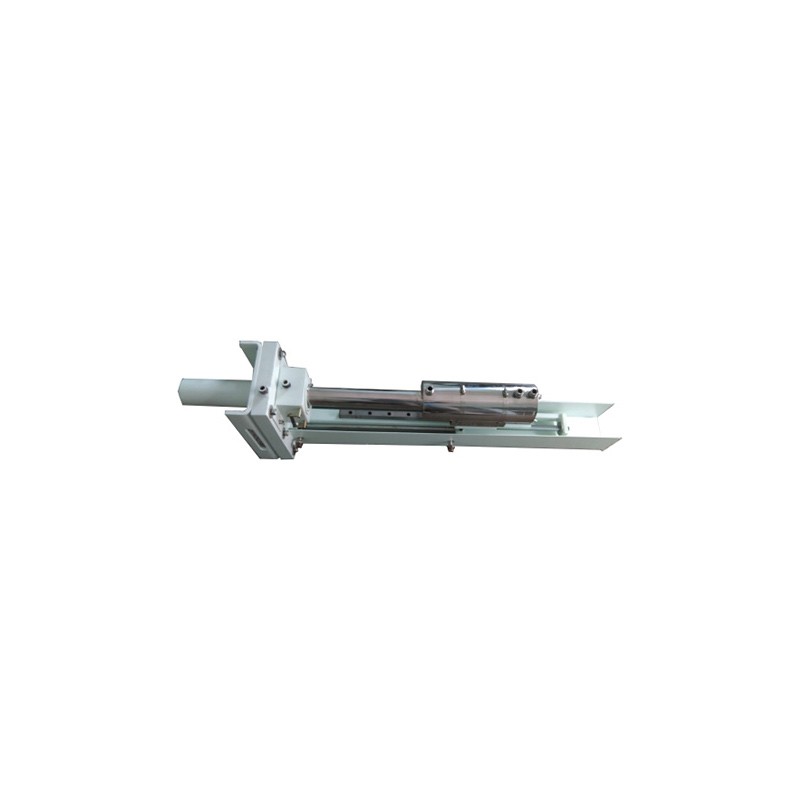
High Temperature Furnace Flame Monitoring System
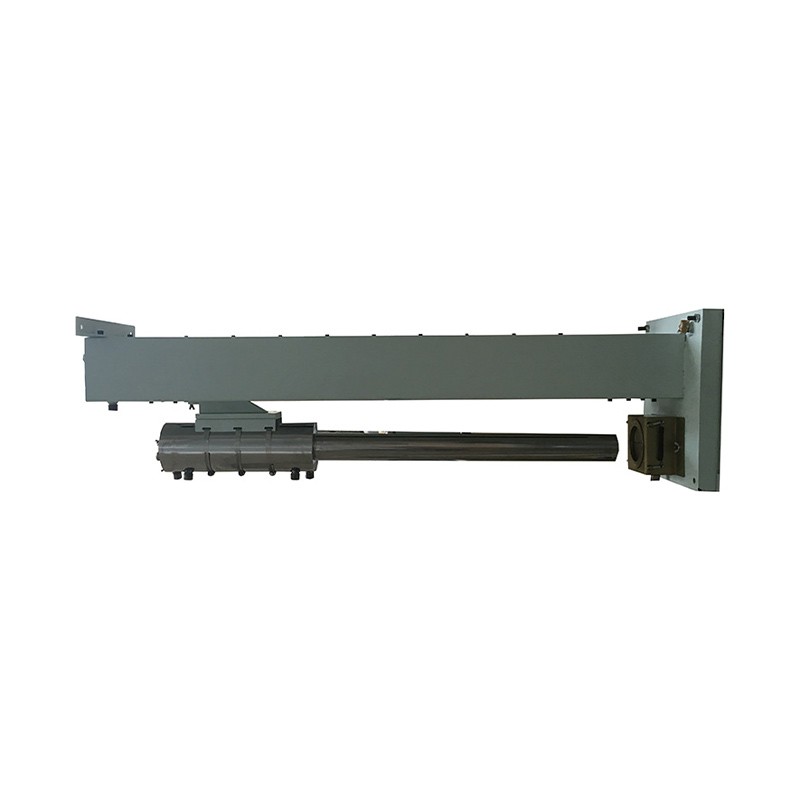
High Temperature Furnace Flame Monitoring System (Angle)
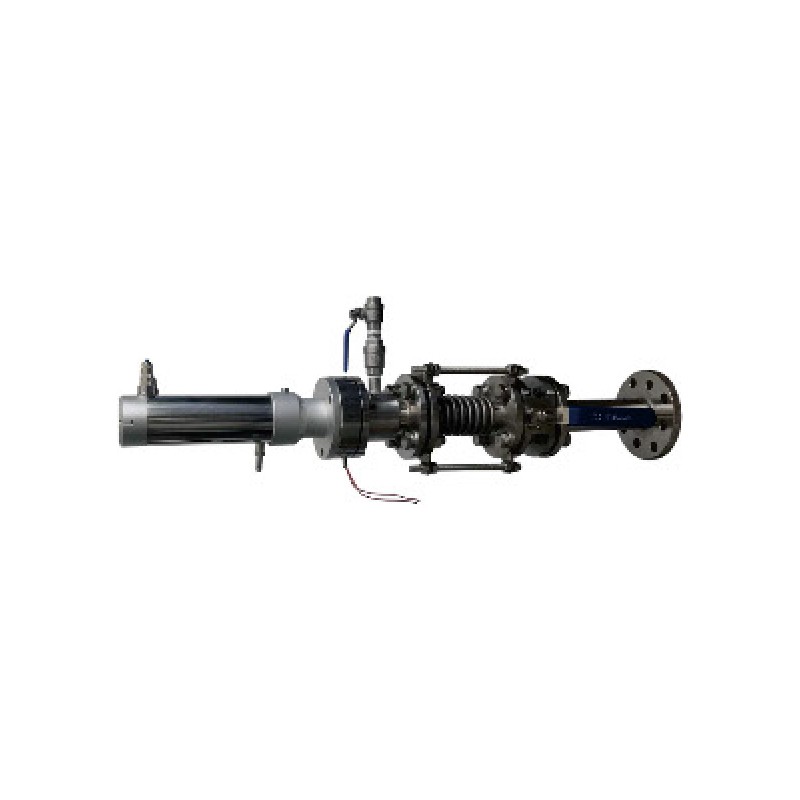
CCTV Camera Infrared Temperature Measurement System for Hot Blast Furnace Vault
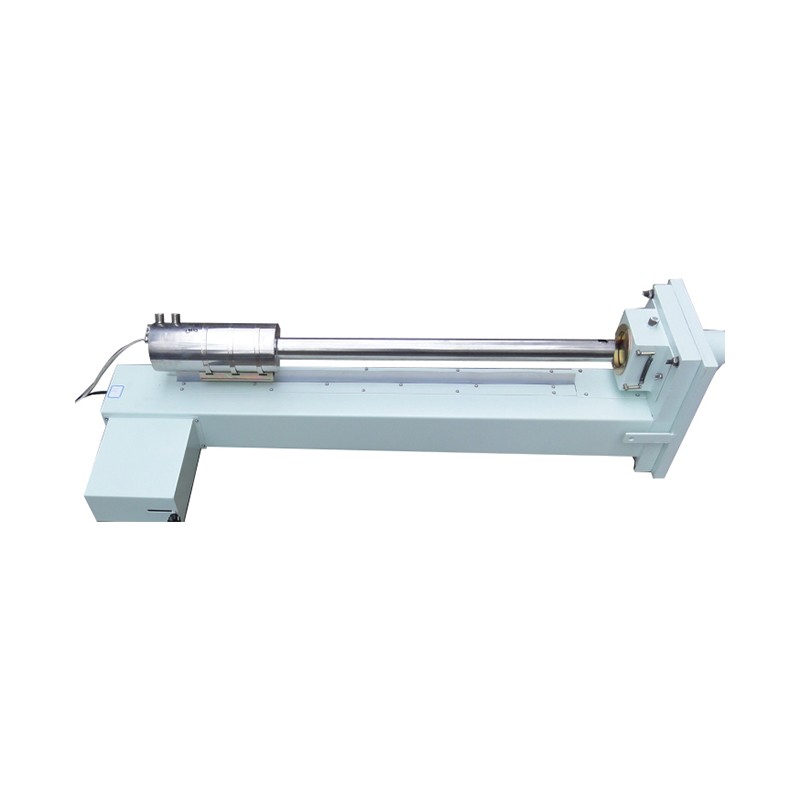
Heating Furnace High Temperature Industrial TV System
Recent News
1.High Temperature Cameras for Furnaces and Industrial Applications
2025-11-102.What Is an Explosion-Proof Camera?Complete Guide for 2025
2025-11-213.how furnace cameras monitor high-temperature industrial processes
2025-12-054.What Are Furnace Cameras and How Do They Work
2025-12-105.Advanced Solutions for Kiln Refractory Monitoring System
2025-08-196.High Temperature Furnace Camera Solutions for Lower Downtime and Higher ROI
2026-01-297.High Temperature Cameras for Furnaces and Kilns
2025-12-24