



Industrial Camera Solutions for High-Temperature Lime Kilns
 Feb 13, 2026|
 View:43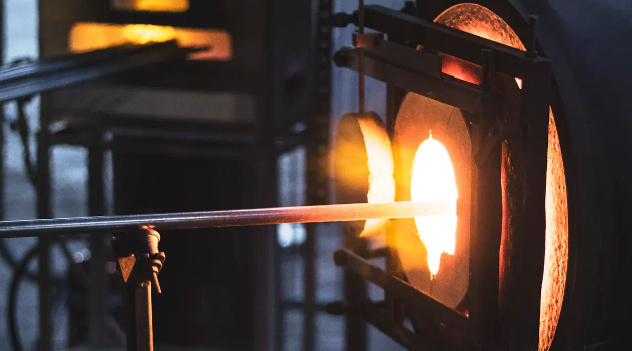
You use a lime kiln camera to make sure your lime kiln works safely and well. These cameras have different types. Some are thermal, some are visible, and some are hybrid. Each lime kiln camera gives you live data. This helps you control the heat. It also helps you stop dangerous accidents. You can follow strict rules with this data. These cameras have special features. They can handle heat and help you fix problems before they happen. This makes them better than old ways. You can pick from High Temperature Camera or High-Performance Furnace Camera Systems. These let you watch your kiln when it gets as hot as 2000°C.
Key Takeaways
Lime kiln cameras give live data. This helps workers watch the temperature. It also stops accidents and keeps things safe.
Thermal imaging systems let people check heat safely. They do not need to touch anything. These systems find heat leaks and problems fast.
Workers must clean and check camera lenses often. This stops dust from blocking the view. It helps keep the picture clear.
Advanced camera systems can save a lot of fuel money. They also stop surprise breakdowns. This happens because they help fix things before they break.
Picking the best camera system is important. Features like auto-retract and strong design make things safer. They also help follow safety rules in hot places.
Lime Kiln Monitoring Challenges
High-Temperature and Dust Issues
It is hard to watch industrial kilns. The lime kiln gets very hot. Temperatures start around 1500°F. Sometimes, the kiln reaches up to 2200°F when lime leaves. These high temperatures can hurt equipment if you do not use the right tools.
Dust is also a big problem. The lime kiln makes a lot of dust when it works. This dust can cover camera lenses and block your view. If dust builds up, you may not see the flame or inside the kiln well. You need cameras that can handle heat and dust.
High temperatures can break equipment if you do not check them often.
Dust can cover the camera lens, so you cannot see inside.
You must clean and check cameras often to keep them working.
Thermal cameras help you find places where heat escapes. This saves energy and keeps the kiln safe.
You need strong cameras for industrial kilns because the area is tough.
Process and Safety Demands
You must watch the lime kiln process closely. If you do not pay attention, you can miss important changes. Problems like bad lubrication or kiln misalignment can happen. These issues can cause dangerous things, like fire or damage to the kiln.
Weak thrust balance can make the kiln move too much. This causes more wear and can break the kiln.
Kiln shell crank puts uneven pressure on rollers. This is not safe.
Irregular kiln shell ovality can cause cracks and damage the kiln lining.
You also need to watch the flame shape. This helps you control the process and make better lime. Continuous monitoring lets you find problems early and fix them before they get worse. Thermal cameras give you automatic temperature readings without touching anything. This keeps workers safe and helps you know when to fix or change kiln linings. Good monitoring keeps the kiln safe and helps industrial kilns work well.
Tip: Use camera systems that watch all the time to protect your equipment and make better lime.
Types of Lime Kiln Cameras
Thermal Imaging Cameras
A thermal imaging system lets you see inside your lime kiln. You do not need to touch anything. This system helps you measure heat safely. You can watch the kiln in real time. If the temperature changes, you can react fast. The thermal imaging system is very accurate. You can spot small changes in heat. This helps you make smart choices. You connect the thermal imaging system to your control system. This makes monitoring easier.
You stay safe because you do not touch hot areas.
Real-time monitoring helps you find problems quickly.
High accuracy lets you find heat leaks and fix them.
Automated integration links your thermal imaging system to kiln controls.
Infrared thermography helps you find early damage signs. Engineers look for temperature changes of 15–20°C. These changes show micro-cracks or delamination. If you scan your kiln every week and use AI image analysis, you can cut unplanned shutdowns by 60%. Continuous monitoring lets your kiln run longer before repairs. The thermal imaging system helps you protect your kiln and save money.
Visible and Hybrid Cameras
A visible thermal imaging system shows both heat and clear images inside your kiln. This system uses a high-resolution thermal sensor and an HD visible camera. You can check the flame and improve combustion. You make better reburned lime and lower emissions. The visible thermal imaging system is easy to use. You can record images and see old data trends.
Rugged, air-cooled cameras last in tough kiln environments.
Digital-only data transmission gives reliable video streams.
Automatic retraction hardware adds extra safety.
Customers give positive feedback for monitoring and improving processes.
You see the flame shape and color. You adjust your kiln to make better lime. The visible thermal imaging system helps your kiln be safer and more efficient.
Tip: Use a visible thermal imaging system to get heat data and clear visuals. This helps you control your kiln and improve lime quality.
Radiometric and Specialized Systems
Radiometric and specialized camera systems help you monitor your kiln in advanced ways. These systems give you high-temperature imaging. You can measure temperatures from 600 to 1800 °C. You get high resolution with up to 3 million pixels. The thermal images stay clear even when the furnace atmosphere changes.
| Feature | Description |
|---|---|
| High-Temperature Imaging | Specialized high temperature imaging system for monitoring lime kilns. |
| Broad Spectral Waveband Capabilities | Multiple cameras operate in different spectral wavebands on a common optical path. |
| Continuous Monitoring Capabilities | Ongoing monitoring of kiln processes to optimize performance and efficiency. |
You get live high definition thermal images all the time.
You monitor your kiln to spot problems early.
Broad spectral waveband capabilities let you see different kiln parts.
You can pick from industry solutions like Luming, Valmet, Bass Electronics, Mesurex, Lenox, and Metris AVA. Each company has special features. You get rugged cameras, easy maintenance, and digital data transmission. You use a user-friendly interface to record images and track trends.
| Feature | Description |
|---|---|
| System Type | Visible thermal imaging system |
| Key Benefits | Combustion optimization, improved reburned lime quality, reduced emissions, visual flame evaluation. |
| Camera Specifications | Rugged, air-cooled, HD visible camera with high-resolution thermal sensor. |
| Maintenance | Low maintenance solution with optional automatic retraction hardware. |
| Data Transmission | Digital-only data transmission for reliable video streams. |
| User Interface | User-friendly interface for recording images and viewing historical data trends. |
| Customer Feedback | Positive engagement in monitoring and improving processes using the camera features. |
These camera systems make your kiln safer, more efficient, and easier to maintain. You get clear images, accurate heat data, and reliable performance.
Key Features of Lime Kiln Camera Systems
Heat Resistance and Cooling
You need a camera system that can handle very hot places inside a lime kiln. High-temperature cameras use special heat-resistant lenses. These lenses work even when it gets as hot as 2000°C. The probe hood is made from stainless steel. Stainless steel does not rust and keeps your camera safe. Cooling jackets use water or air to protect the camera. These cooling systems keep the camera safe if the power goes out. You get reliable thermal monitoring because the camera stays cool and works well.
Heat-resistant lenses can handle very high heat.
Stainless steel probe hood stops rust and damage.
Water and air cooling jackets keep the camera safe.
Cooling systems protect the camera even if power fails.
Lens Protection and Air Curtains
Dust and alkali can block your view inside the kiln. You need a camera with strong lens protection. Continuous air curtains blow air across the lens. This keeps the lens clean so you can see inside the kiln. The air curtain works well in places with lots of dust. You get clear images from your high-resolution thermal sensor. You can watch the flame and clinker formation without stopping. The air curtain helps your camera give accurate thermal data every time.
Tip: Use a camera with a continuous air curtain. This keeps your lens clean and your thermal images sharp.
Safety and Auto-Retract Functions
Safety matters when you monitor a lime kiln. Advanced camera systems have auto-retract functions. These features protect your equipment if something goes wrong. The camera probe leaves the kiln by itself during power or cooling failures. You protect your investment and avoid damage. Many systems use smart auto-exit mechanisms. You feel safe because your camera acts fast during accidents.
| Safety Feature | Description |
|---|---|
| Auto-Retractable Safety System | The camera leaves quickly if power or cooling fails, protecting your investment. |
| Automatic Probe Hood Exit | The probe hood leaves by itself if there is any accident with power or water/air cooling. |
| AMETEK Land’s Auto-Retraction System | This system pulls back and protects the thermal imager, stopping overheating or damage. |
You can trust your camera system to keep your kiln safe. The auto-retract function works with your high-resolution thermal sensor. You get reliable thermal monitoring and strong safety features.
Installation and Integration
Mounting and Retrofitting
You can put new kiln cameras on old or new lime kilns. Many systems use a modular design. This makes retrofitting easy. You do not need to change your kiln. You mount the camera with a stainless steel probe hood. The probe hood keeps the camera safe from heat and dust. Some cameras have flexible brackets. These let you change the viewing angle. You can add cooling jackets for more protection. If you upgrade your kiln, you can move the camera system. This helps you keep your temperature measurement solution current.
Real-Time Data and Analytics
Advanced kiln cameras give you real-time temperature measurements. These cameras send live data to your plant control system. You use this data to make quick choices. Many plants use AI soft sensors. These sensors use camera data and DCS signals to guess clinker quality. You can change kiln operations right away. Machine learning models help you guess free lime content fast. This saves money and makes your kiln work better. Some systems, like BlueMarvel, use thermal cameras to watch kiln shell temperature all the time. You find problems early and keep your kiln running well.
AI soft sensors guess clinker quality in real time.
Machine learning models help you control free lime content.
Continuous monitoring finds abnormal temperatures.
You improve kiln operations with live data.
Maintenance and Support
You need a camera system that is simple to maintain. Many systems have easy configurations. This makes maintenance setup faster. You can use temperature profile calculations to plan service times. This helps your equipment last longer. Continuous hot spot detection lets you find problems before shutdowns happen. Many providers offer 24/7 technical support. You get help whenever you need it.
| Feature | Benefit |
|---|---|
| Continuous hot spot detection | Find issues early and avoid costly shutdowns |
| Easy configurations | Make maintenance setup faster |
| Temperature profile calculations | Plan maintenance to make equipment last longer |
Tip: Regular maintenance and support keep your kiln camera system working well. You protect your investment and make your plant safer.
Benefits for Lime Kiln Operations
Process Optimization and Fuel Savings
Advanced camera systems help you make your lime kiln work better. You can see the flame shape and where it is in real time. This lets you change burner and fan speeds to fit your needs. You use less fuel and save money each month. Some plants save between $16,000 and $25,000 every month after using these cameras. You get these savings by burning fuel better and lowering fan speeds. Watching thermal images helps you find problems early. This keeps your kiln working well. You also use less fuel, so your plant works more efficiently.
Predictive Maintenance and Downtime Reduction
You can stop expensive shutdowns by using predictive maintenance in your kiln camera system. These cameras use AI to look for trouble that routine checks might miss.
In a pilot program, AI cameras found a belt edge tear that routine inspections missed. This stopped a full line shutdown. Early detection cut unplanned downtime by over 50% for monitored equipment in the first year.
You get alerts before problems get serious. This lets you fix small issues before they stop your kiln. Your plant runs longer and you spend less on repairs.
Enhanced Safety and Compliance
Advanced camera systems make your kiln safer and help you follow strict rules. These cameras help you control temperature and spot dangers fast. You support safety management and follow important protocols. The table below shows how these systems help with safety and compliance:
| Improvement Type | Description |
|---|---|
| Temperature Control | Closed-loop AI keeps kiln shell temperatures tighter than manual operators. |
| Safety Management Compliance | Better control helps you follow Process Safety Management rules. |
| Emergency Shutdown Reduction | Continuous anomaly detection means fewer emergency shutdowns and less unplanned downtime. |
You keep workers and equipment safe. You avoid emergency shutdowns and your kiln works safely.
Picking the best lime kiln camera system keeps your kiln safe and working well. New cameras show you live data. They help protect your equipment. They also help you use fuel better. When you choose a camera, check for these features:
Advanced optical sensors help you monitor your kiln.
Fast response speed lets you see changes quickly.
Rugged design means the camera works in tough places.
Smart functions like self-diagnosis help find problems fast.
Easy integration makes it simple to connect to your control system.
You can ask solution providers to help you find the right camera for your kiln.
FAQ
What makes a lime kiln camera different from regular cameras?
A lime kiln camera works in places with lots of heat and dust. It has cooling systems and heat-resistant lenses. You can see clear pictures even when the kiln is very hot.
How does the auto-retract feature protect the camera?
The auto-retract feature moves the camera out if power or cooling stops. This keeps your equipment safe. Your camera stays protected and your money is not wasted.
Can you install a high-temperature camera on an existing kiln?
Most high-temperature cameras can go on old kilns. Modular designs make putting them in simple. Flexible brackets help you change where the camera looks.
What benefits do you get from real-time monitoring?
You see live pictures and temperature numbers. You find problems early. You use fuel better and keep things safer. Real-time monitoring helps you make fast choices.
How do you keep the camera lens clean in dusty environments?
A continuous air curtain blows air over the lens. The lens stays clean. You get sharp pictures and correct thermal data.
Recommended Products
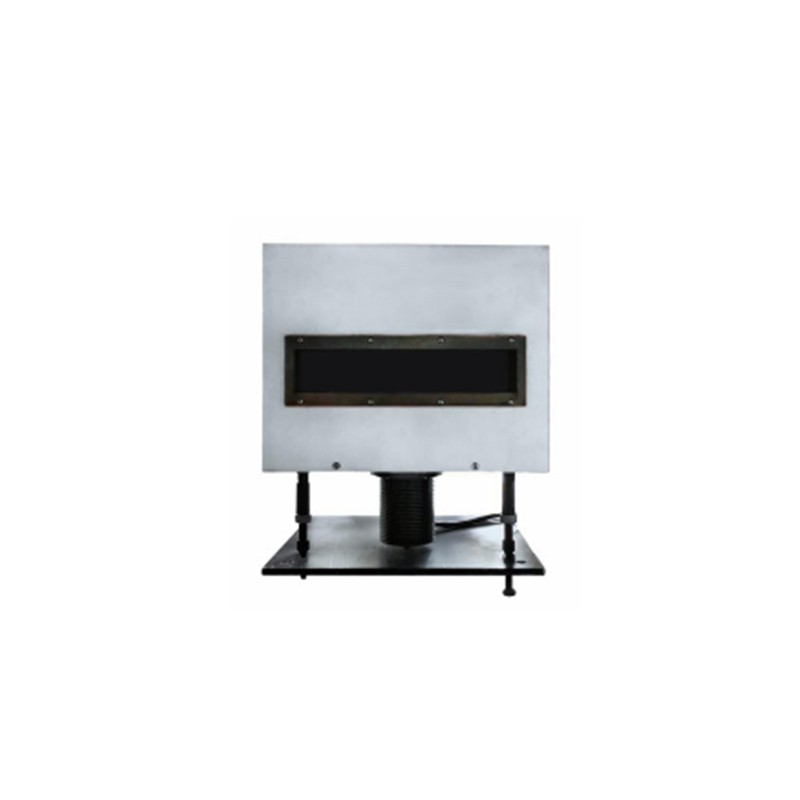
Kiln Shell Infrared Scanning Temperature Measurement System
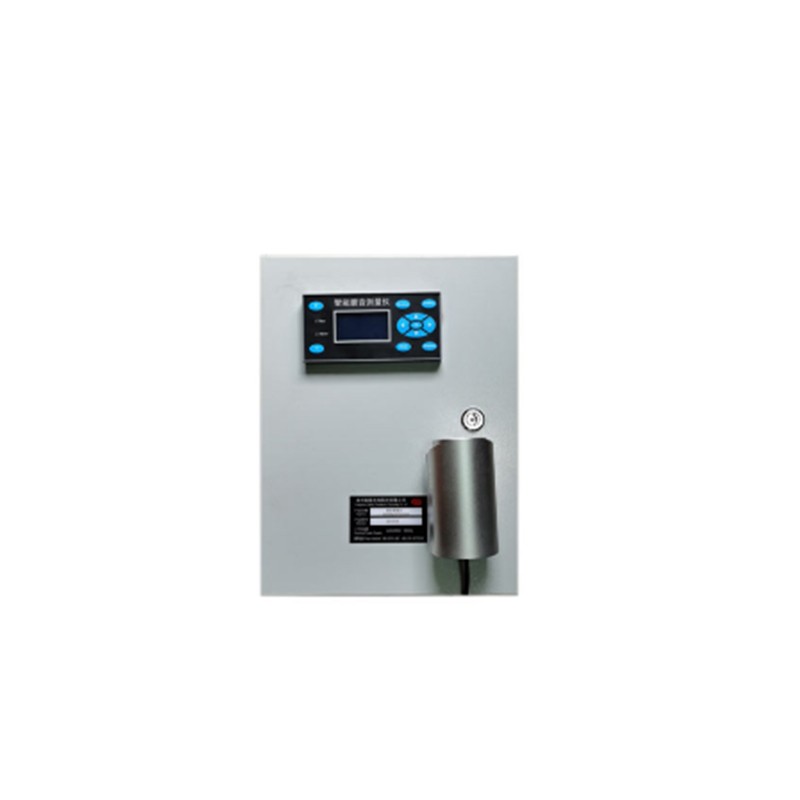
Grind Sound Measuring Instrument (Electric Ear)
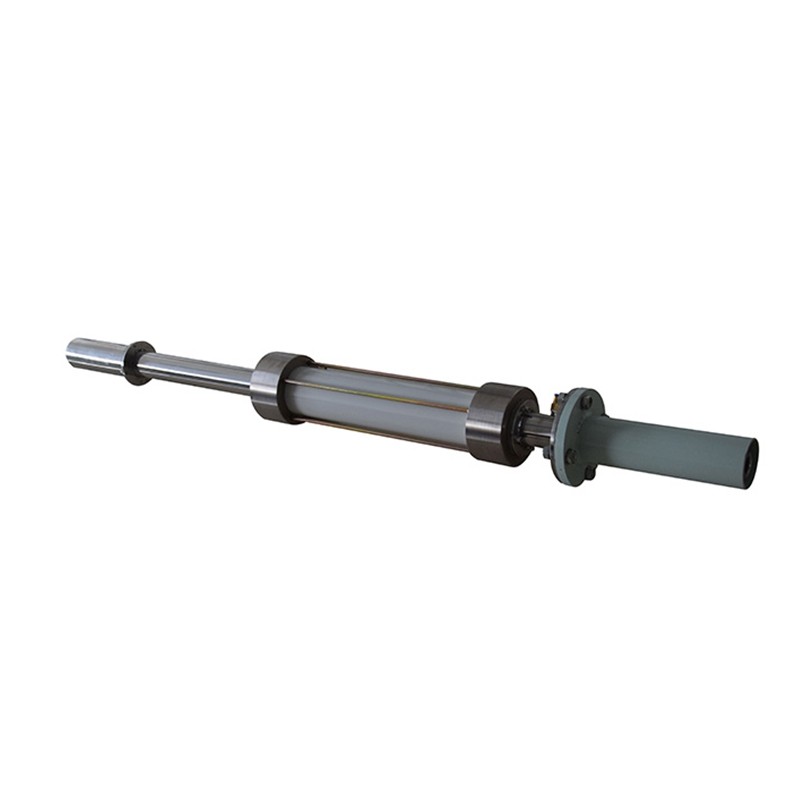
Kiln Tail Flue Gas Chamber Infrared Temperature Measurement System
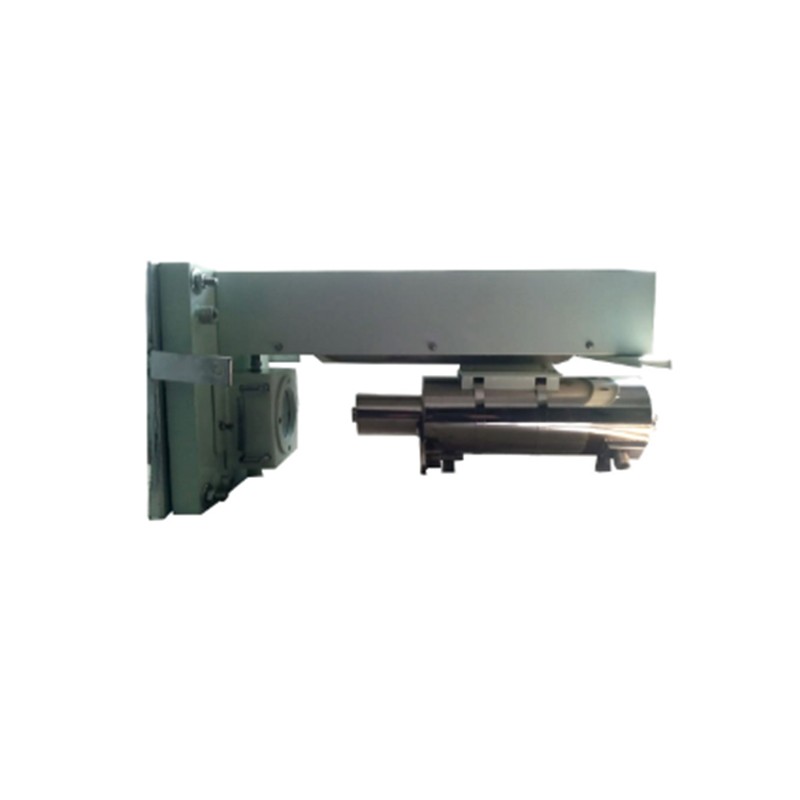
Great Cooler Blanking Camera System for High Temperature Furnaces
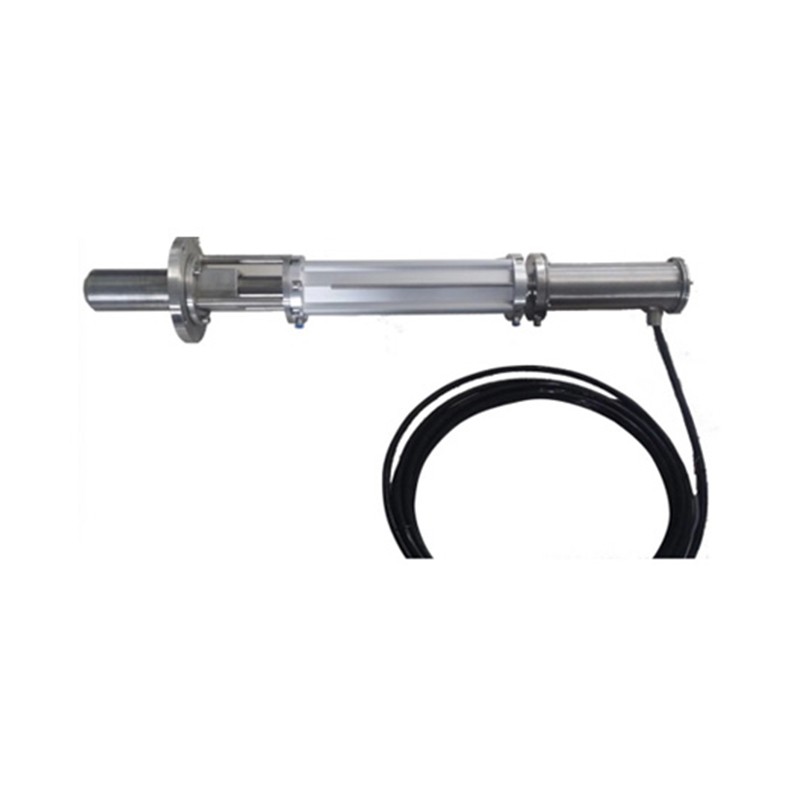
Kiln Head High Temperature Flame Monitoring System
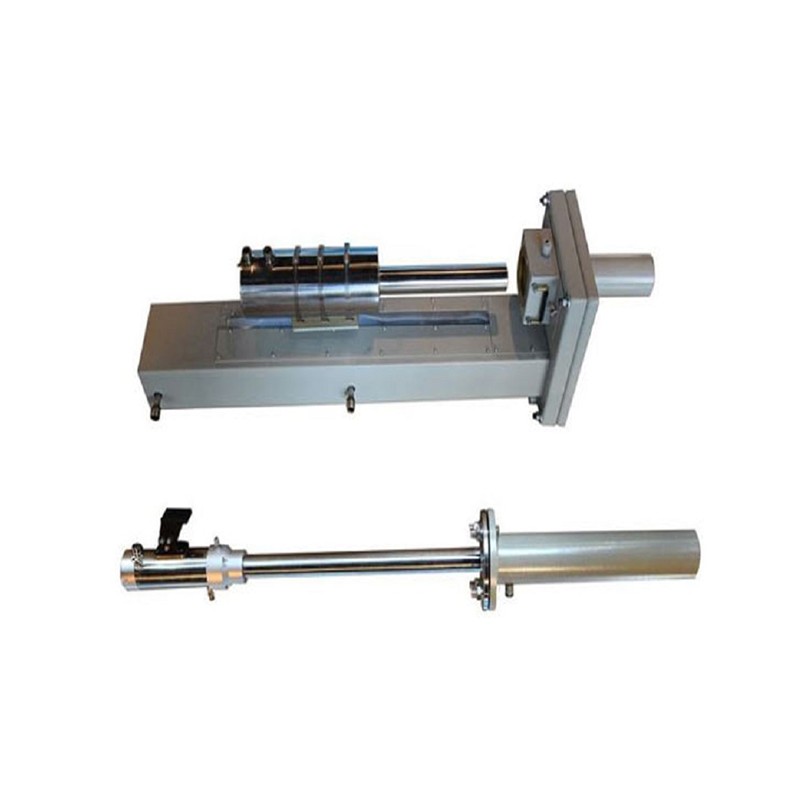
Rotary Kiln Thermographic Monitoring System
Recent News
1.What Is an Explosion-Proof Camera?Complete Guide for 2025
2025-11-212.Advanced Solutions for Kiln Refractory Monitoring System
2025-08-193.Can You Put a Camera in a Kiln? The Complete Guide to Cement Rotary Kiln Monitoring
2025-08-194.Industrial video cameras for the most hazardous environments
2025-08-19