



Cement Kiln Monitoring Guide: Shell Scanning & Burner Optimization
 May 12, 2026|
 View:56
Cement Plant Rotary Kiln Monitoring Guide: Comprehensive Protection from Shell Scanning to Burner Optimization
In cement production, the rotary kiln is the heart of your operation—and its most vulnerable asset. An unplanned shutdown can cost upwards of $120,000 to $180,000 per day in lost production, refractory replacement, and energy waste.
To prevent catastrophic failures, modern cement plants deploy a comprehensive rotary kiln monitoring system that provides continuous visibility into both external shell conditions and internal combustion processes. But what exactly should you monitor, and which technologies deliver the best ROI? For a complete framework covering system architecture, installation, and ROI calculation, read our comprehensive rotary kiln monitoring guide.
This guide breaks down the two critical pillars of kiln monitoring—shell scanning and burner optimization—and shows you how to select the right kiln camera configuration for maximum protection and efficiency.
1. Why Rotary Kiln Monitoring is Non-Negotiable in Cement Plants
Cement rotary kilns operate under extreme conditions: shell temperatures reach 300–400°C while internal process zones exceed 1,400°C. Without real-time monitoring, hidden failures develop silently:
Refractory wear: Bricks thin from 200mm to dangerous levels before visible "red spots" appear
Shell deformation: Uneven heating causes ovality, accelerating mechanical fatigue
Burner instability: Poor flame shape leads to incomplete combustion, increasing fuel consumption by 3–5%
Ring formation: Clinker buildup reduces throughput and requires costly manual removal
A properly engineered rotary kiln monitoring system eliminates these blind spots by providing continuous, high-resolution thermal and visual data that triggers early intervention—hours or days before a failure becomes catastrophic.
2. Kiln Shell Scanning: The First Line of Defense
What Shell Scanning Detects
External shell monitoring uses panoramic kiln camera systems that scan the entire kiln circumference, producing 2D thermographic "unwrapped" images. This reveals:
Refractory brick loss: Hot spots where heat radiates through thinning brick layers
Ring formation: Temperature anomalies indicating clinker buildup inside the kiln
Early-stage red spots: Surface temperatures >400°C signaling imminent shell failure
Mechanical issues: Misalignment, ovality, or uneven rotation patterns
Technology Requirements for Shell Scanning
| Parameter | Specification |
|---|---|
| Sensor Type | LWIR (Long-Wave Infrared) 8–14 µm |
| Temperature Range | -20°C to 600°C |
| Spatial Resolution | ≤5 cm per pixel |
| Scan Speed | Continuous 360° rotation |
| Mounting | Travel drive along kiln length |
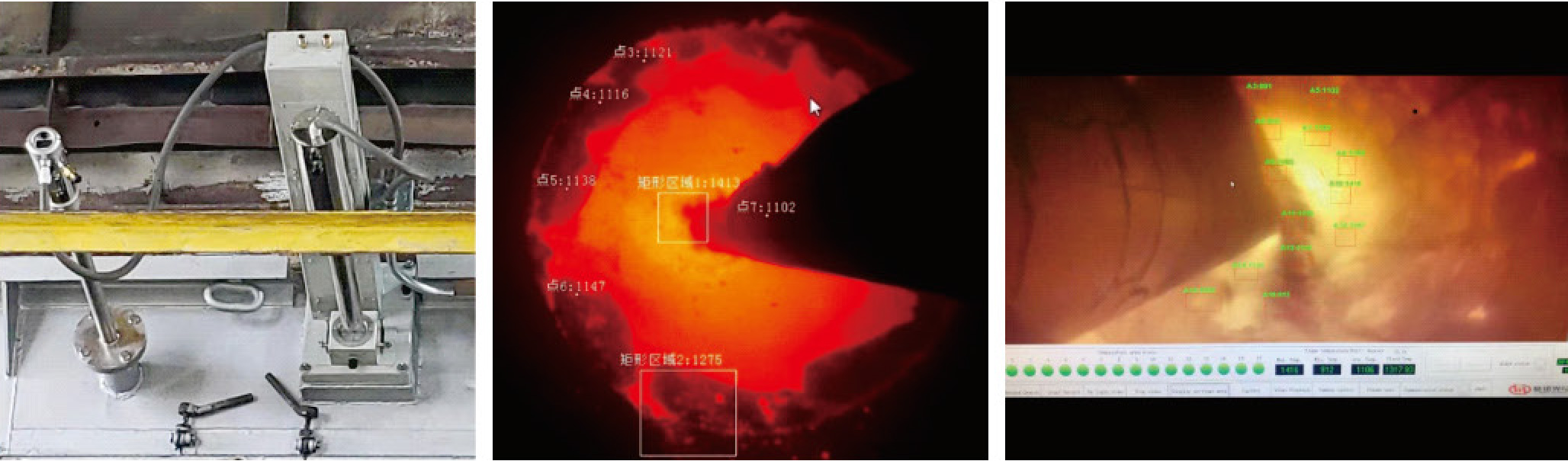
LWIR sensors are ideal for shell scanning because they provide the highest sensitivity in the 100–400°C range where refractory wear becomes visible. A standard kiln camera with LWIR technology can detect a hot spot 48–72 hours before it progresses to a red spot, giving maintenance teams time to plan a controlled cool-down rather than facing an emergency shutdown.
Pro Tip: For kilns longer than 60 meters, deploy multiple scanning cameras with overlapping fields of view to eliminate blind spots near support rollers.
3. Burner Optimization: Maximizing Efficiency and Safety
The Critical Role of Internal Monitoring
While shell scanning protects the kiln structure, internal monitoring optimizes the combustion process. A High-Temperature Furnace Camera mounted on the kiln hood or burner platform provides real-time visibility into:
Flame shape and stability: Ensuring proper fuel-air mixing and heat distribution
Clinker formation: Monitoring material bed temperature and coating quality
Burner alignment: Detecting nozzle wear or misalignment before it affects product quality
Ring formation: Early detection of buildup in the transition zone
Why Standard Cameras Fail in Cement Kilns
Cement kiln interiors present unique challenges that destroy conventional imaging equipment:
Extreme temperatures: Process zones exceed 1,400°C
Abrasive dust: Clinker particles erode unprotected lenses
Combustion gases: CO, SO₂, and alkali vapors corrode electronics
Flame interference: Bright combustion zones blind standard sensors
This is why cement plants require specialized high temperature furnace camera systems engineered for continuous operation in hostile environments.
Key Features of Cement Kiln Burner Cameras
SWIR (Short-Wave Infrared) sensors: 0.8–1.1 µm wavelength penetrates flames and dust
Dual-spectrum imaging: Combines visible light context with thermal data
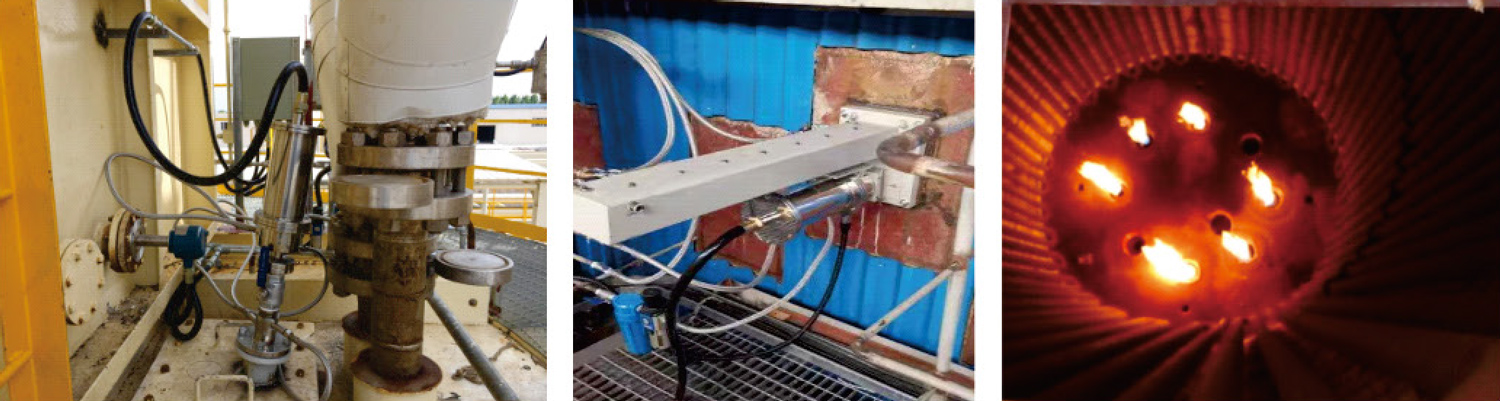
Active cooling: Water-cooled or air-purge housings maintain safe operating temperatures
Automatic retraction: Protects the camera during kiln startups or abnormal conditions
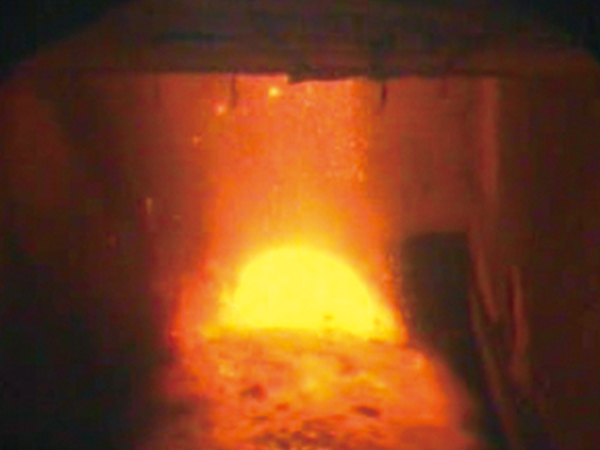
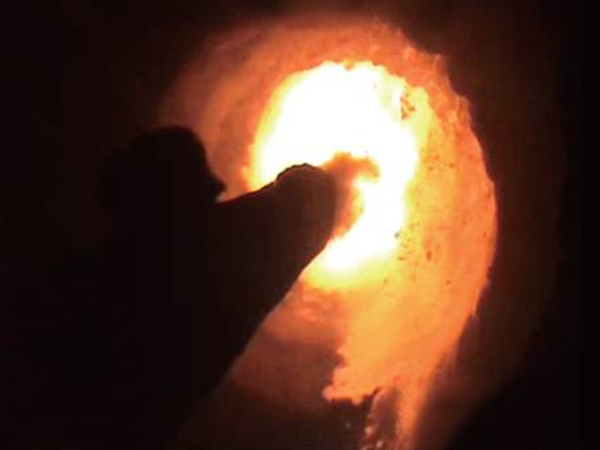
A properly deployed High-Temperature Furnace Camera enables operators to adjust burner parameters in real-time, reducing fuel consumption by 2–4% while improving clinker quality consistency.
4. Cooling Systems: Matching Technology to Your Kiln
The cooling method you choose directly impacts camera lifespan and maintenance costs. For cement kiln applications, consider these factors:
Water Cooling
Best for: Kiln hoods, burner platforms, and cooler discharge areas
Temperature handling: Up to 1,800°C+ with proper flow rates
Advantages: Superior heat removal, stable performance in extreme heat
Requirements: Reliable water supply, filtration system, leak detection
Air Purge (Vortex) Cooling
Best for: Shell scanning areas, preheater zones, and water-scarce regions
Temperature handling: Up to 1,200°C
Advantages: No leakage risk, simpler installation, uses existing instrument air
Requirements: Clean, dry compressed air at 4–6 bar
Recent News
1.swir-vs-lwir-thermal-sensors-kiln-camera-selection-guide
2026-05-112.Rotary Kiln Monitoring System: Prevent Costly Downtime in Cement, Steel & Lime Plants
2026-04-303.Air Cooling vs. Water Cooling: Which is Right for Your Furnace Camera?
2026-02-284.How High Temperature Furnace Camera Systems Revolutionize Blast Furnace Efficiency and Safety
2026-02-24