


ATEX Kiln Camera Guide: Explosion Proof Monitoring
 May 20, 2026|
 View:25
ATEX Kiln Camera Guide: Explosion Proof Monitoring for Cement & Steel Plants
In cement, steel, and lime production, rotary kilns frequently operate in environments where combustible dust, gases, or vapors are present. Coal dust, petroleum coke, alternative fuels (RDF/SRF), and process gases create explosive atmospheres that demand strict safety protocols. In these conditions, deploying a standard imaging device is not just ineffective—it represents a severe safety and compliance liability.
That's why every rotary kiln monitoring system installed in hazardous zones must feature an ATEX kiln camera or IECEx-certified equivalent. This guide breaks down hazardous area classifications, certification requirements, and engineering best practices to help plant engineers and procurement teams select compliant, reliable monitoring solutions. For a complete framework covering system architecture, sensor selection, and ROI optimization, read our comprehensive rotary kiln monitoring guide.
1. Understanding Hazardous Zones & Certification Standards
Industrial safety standards classify explosive atmospheres into specific zones based on the likelihood and duration of hazardous conditions. Selecting the correct explosion proof furnace camera requires matching the equipment certification to your plant's zone classification.
Zone Classifications Explained
| Standard | Gas/Vapor Zones | Dust Zones |
|---|---|---|
| ATEX / IECEx | Zone 0, 1, 2 | Zone 20, 21, 22 |
| NEC / CEC (North America) | Class I, Div 1 & 2 | Class II, Div 1 & 2 |
Most cement kiln burner platforms, coal milling areas, and alternative fuel injection points fall under Zone 1 (gas) or Zone 21 (dust). Equipment deployed here must carry at least Category 2G/2D certification (II 2G Ex db IIC T4 / II 2D Ex tb IIIC T85°C Db). Using a non-certified high temperature furnace camera systems in these areas violates OSHA, ATEX Directive 2014/34/EU, and local fire codes, voids insurance coverage, and exposes personnel to catastrophic risk.
2. Key Engineering Features of Certified Kiln Cameras
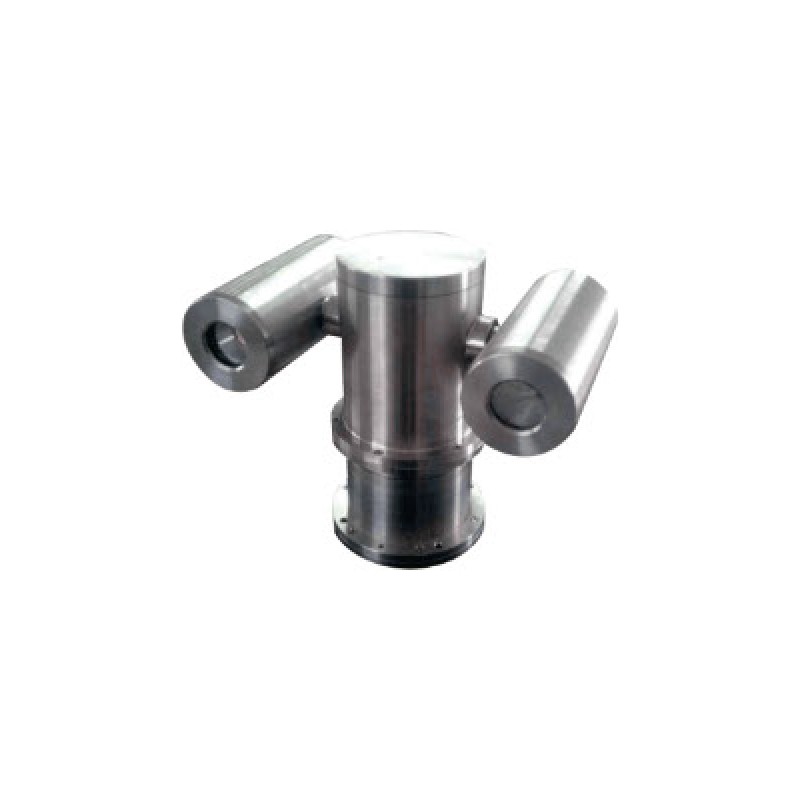
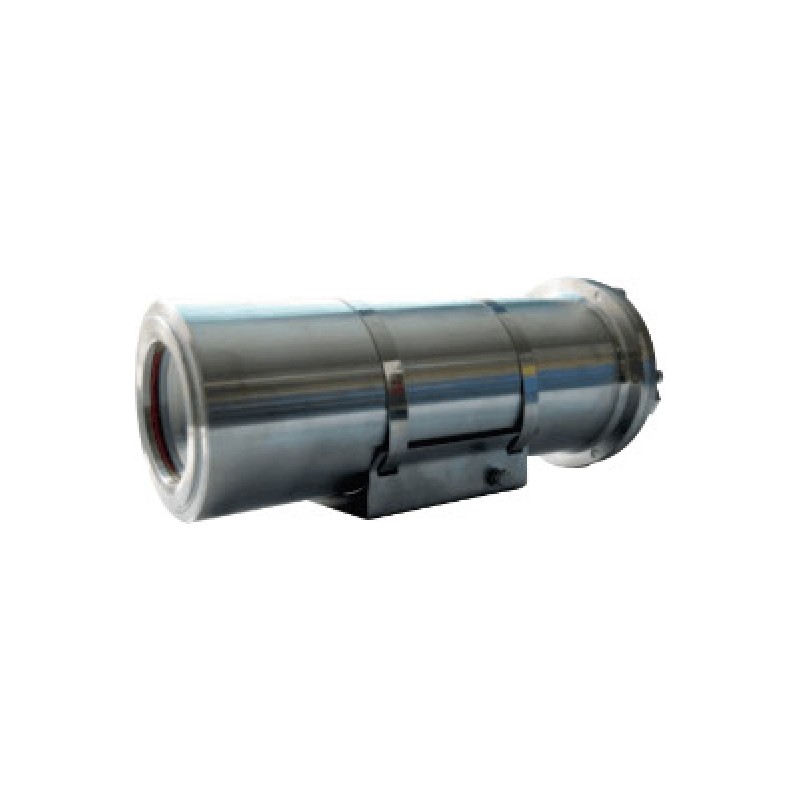
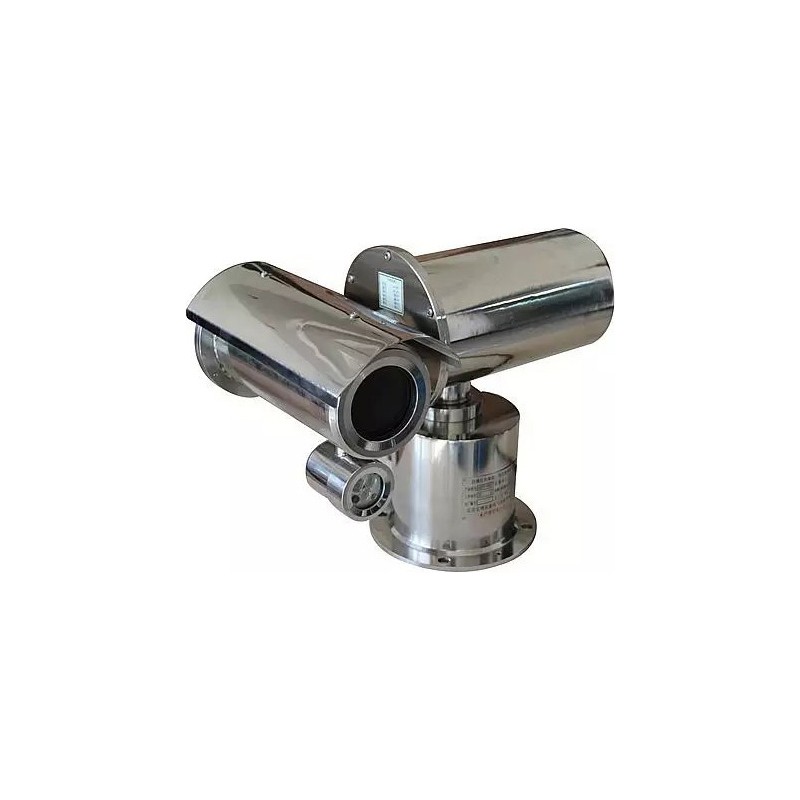
An explosion proof furnace camera is not simply a standard camera placed inside a rugged enclosure. True hazardous area compliance requires engineering integration at every component level.
Complete Assembly Certification
Certification must cover the entire monitoring assembly, including:
Camera sensor and processing board
Protective housing and viewing window (sapphire or fused quartz)
Cable glands, conduit entries, and junction boxes
Cooling lines and purge fittings
Partial certification (e.g., only the sensor head) leaves weak points where sparks or heat could ignite surrounding atmospheres.
Material & Thermal Management
A heat resistant camera for furnace applications in hazardous zones typically uses SS316L or Inconel housings with precision-machined flame paths. The design must contain any internal explosion while preventing heat transfer to the external environment. Temperature codes (T4 to T6) ensure surface temperatures never exceed the ignition point of surrounding dust or gas.
Cooling Integration Without Compromising Safety
Water cooling or air purge systems must maintain IP66/67 sealing and Ex ratings. Quick-disconnect fittings, pressure relief valves, and leak detection sensors are standard in certified designs. For a detailed breakdown of cooling methods and their impact on camera lifespan, see our Air Cooling vs. Water Cooling: Which is Right for Your Furnace Camera? guide.
3. Installation & Maintenance in Hazardous Areas
Proper installation is as critical as equipment certification. Even the most advanced High-Temperature Furnace Camera can become a hazard if installed incorrectly.
Certified Installation Requirements
Only personnel with hazardous area competency certification should install or service Ex-rated equipment
All conduit runs must use certified sealing compounds and isolation barriers
Grounding and bonding must meet IEC 60079-14 standards to prevent static discharge
Preserving Certification During Maintenance
Opening a certified housing without following lockout/tagout procedures voids the Ex rating. Maintenance protocols should include:
Pre-approved work permits for hot work or enclosure access
Use of OEM-approved replacement gaskets and torque specifications
Post-maintenance insulation resistance and continuity testing
4. How to Verify Supplier Certification Claims
The industrial camera market contains numerous misleading marketing claims. Phrases like "explosion-proof design" or "ATEX-style housing" do not equal legal certification. Use this verification checklist before procurement:
| Verification Step | What to Request |
|---|---|
| Certificate Authenticity | PDF from Notified Body (e.g., TÜV, CSA, UL, DEKRA) with unique certificate number |
| Scope of Certification | Confirm coverage includes complete assembly, not just individual components |
| Database Cross-Check | Verify on IECEx Certificate Database or ATEX Product Directory |
| Declaration of Conformity | Full DoC covering camera, housing, cables, and cooling interfaces |
5. ROI & Safety Benefits of Compliant Monitoring
Investing in a certified ATEX kiln camera delivers measurable operational and financial returns:
Regulatory Compliance: Avoids fines ranging from $50,000 to $500,000 per violation
Insurance Validity: Maintains property and business interruption coverage
Zero Ignition Risk: Eliminates camera-related hot work permits in hazardous zones
Continuous Uptime: Enables 24/7 monitoring without safety-driven shutdowns
Plants using certified rotary kiln monitoring systems report 30–40% fewer safety audits failures and faster regulatory approval for alternative fuel trials.
6. How to Choose the Right Explosion Proof Kiln Camera
Before finalizing your procurement, clarify these five critical requirements:
What is your exact zone classification? Confirm Zone 1/21 vs Zone 2/22 to avoid over- or under-specifying equipment.
Does the certificate cover the complete assembly? Verify that cooling lines, junction boxes, and cable entries are included in the Ex rating.
What temperature code (T-rating) is required? Match T4–T6 ratings to your plant's specific dust/gas ignition temperatures.
Can the supplier provide third-party verification? Request direct links to IECEx/ATEX databases, not just marketing brochures.
What is the maintenance protocol? Ensure spare parts, gaskets, and torque specs are OEM-certified to preserve compliance.
For a complete framework covering system architecture, sensor selection, and integration strategies, explore our ultimate guide to rotary kiln monitoring systems.
Frequently Asked Questions
Can I use a standard kiln camera with an external explosion-proof enclosure?
No. Certification must cover the integrated system. Modifying housings or adding third-party enclosures voids the Ex rating and creates untested ignition pathways.
Does IECEx certification replace ATEX for European plants?
IECEx is internationally recognized and often accepted in EU markets, but ATEX remains the legal requirement for equipment placed on the European market. Many manufacturers hold dual certification for global deployment.
How often must explosion proof furnace cameras be recertified?
The certificate itself does not expire, but equipment must undergo periodic inspection per IEC 60079-17. Most plants schedule annual Ex compliance audits alongside routine maintenance.
What happens if a High-Temperature Furnace Camera fails in a Zone 21 area?
Certified designs are engineered to contain internal faults. Flame arrestors, pressure relief paths, and thermal barriers prevent energy release. Always follow emergency shutdown protocols and never open the housing until the area is gas-free.
Final Recommendations
Explosion proof certification is not a paperwork exercise—it's an engineering imperative. In cement, steel, and lime plants where alternative fuels and combustible dust are standard, a properly certified ATEX kiln camera eliminates ignition risks, ensures regulatory compliance, and enables uninterrupted process visibility.
By integrating certified hazardous area monitoring into your rotary kiln monitoring system, you protect personnel, preserve insurance coverage, and maintain continuous production even in the most demanding environments.
Ready to Verify Your Hazardous Area Compliance?
Whether you're upgrading a coal-fired kiln, commissioning an RDF alternative fuel line, or standardizing safety protocols across multiple plants, the engineering team at Changzhou Lu Ming provides certified ATEX/IECEx monitoring solutions with full documentation, installation support, and lifecycle maintenance planning.
Disclaimer: This article provides general technical guidance and does not constitute legal or safety advice. All hazardous area installations must be assessed by a qualified professional for compliance with local regulations, site-specific conditions, and current IEC/ATEX standards.