


Rotary Kiln Monitoring System: Prevent Costly Downtime in Cement, Steel & Lime Plants
 Apr 30, 2026|
 View:94
In cement, steel, and lime production, the rotary kiln is your most critical—and most vulnerable—asset. An unplanned shutdown of a 3,000 tpd cement kiln costs $120,000–$180,000 per day in lost production alone, not counting refractory damage or safety incidents. Yet 68% of plants still rely on manual inspections that miss 95% of emerging failures.
A purpose-built rotary kiln monitoring system eliminates this blind spot. By integrating high-resolution visual imaging, real-time infrared thermography, and intelligent alarm logic with your DCS/SCADA, LuMing's system delivers continuous, spatially resolved insight into kiln health—enabling predictive intervention before minor anomalies escalate.
This technical guide covers: system architecture, industry-specific deployment strategies, selection criteria, and ROI validation frameworks. Whether you're a process engineer troubleshooting shell hot spots or a Capex decision-maker building a business case, you'll find actionable data to de-risk your investment.
↓ Jump to: Technical Specs | Industry Cases | Selection Checklist
Request Free Engineering Assessment
1. Why Rotary Kiln Monitoring Is Critical for Plant Safety & Profitability
A rotary kiln operates under extreme, often hostile, thermomechanical conditions. Temperatures inside the combustion zone routinely exceed 1400 °C (2552 °F), while the kiln shell itself must dissipate heat without deforming. Without continuous monitoring, you're effectively flying blind—and the hidden risks accumulate fast.
1.1 Hidden Risks of Unmonitored Kiln Operations
The Hidden Danger of Small Temperature Changes
Refractory wear often starts as localized brick thinning. A shell thermocouple might show only a 10 °C rise—easily dismissed as process noise.
But that small gradient can signal brick erosion of 2-3 mm per week. By the time the shell reaches critical temperature, you have hours, not days, to act safely.
Unmonitored kiln shell overheating can lead to permanent shell deformation—sometimes called "banana" deformation—which requires a multi-million-dollar shell section replacement. Combustion instability, caused by flame impingement or fuel quality fluctuations, accelerates refractory failure exponentially while also driving up specific fuel consumption by 3-5%.
These failure modes share a common root cause: a lack of real-time, spatially resolved data.
1.2 How Real-Time Visual & Thermal Monitoring Prevents Failures
A complete rotary kiln monitoring system provides two synchronized data streams that change how you manage risk: a visual channel (visible-spectrum video) and a radiometric thermal channel (infrared temperature data).
The infrared camera captures a two-dimensional radiometric temperature map. Mounting configuration determines the monitored target:
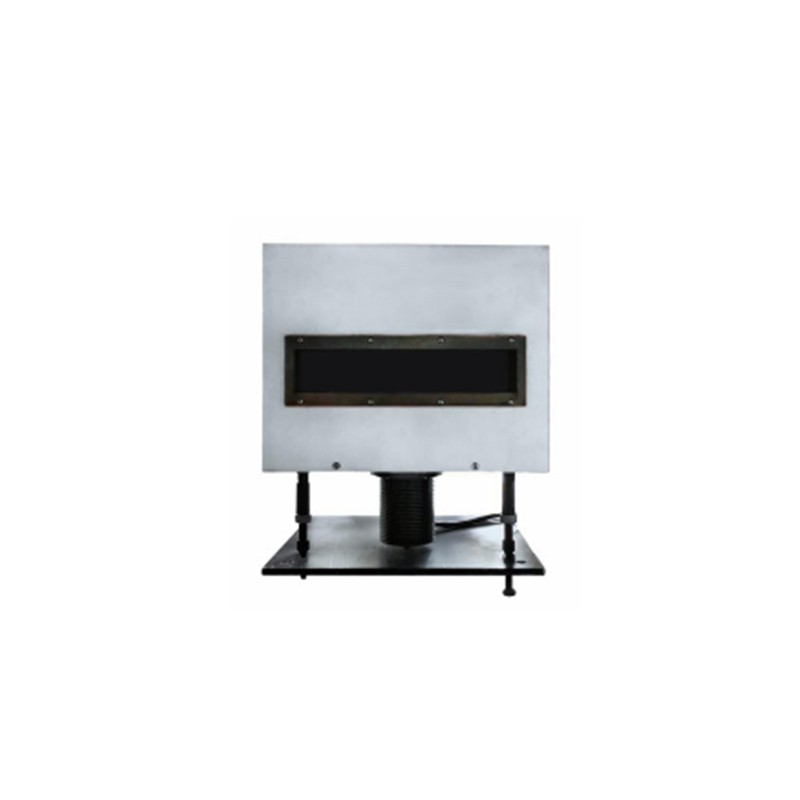
External shell monitoring: Camera mounted outside the kiln hood, scanning the rotating shell surface to detect refractory thinning or hot spots
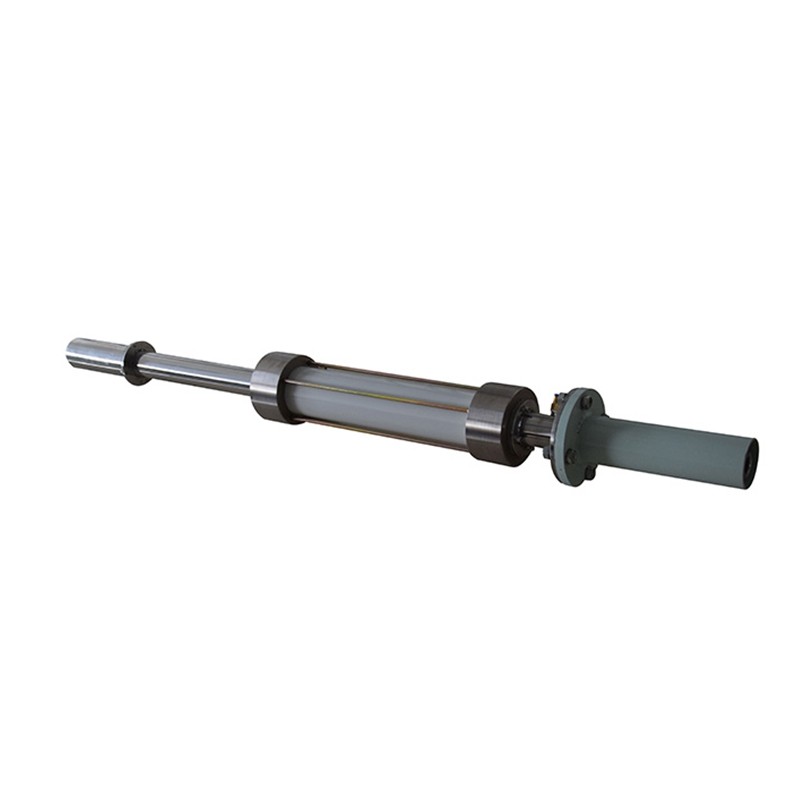
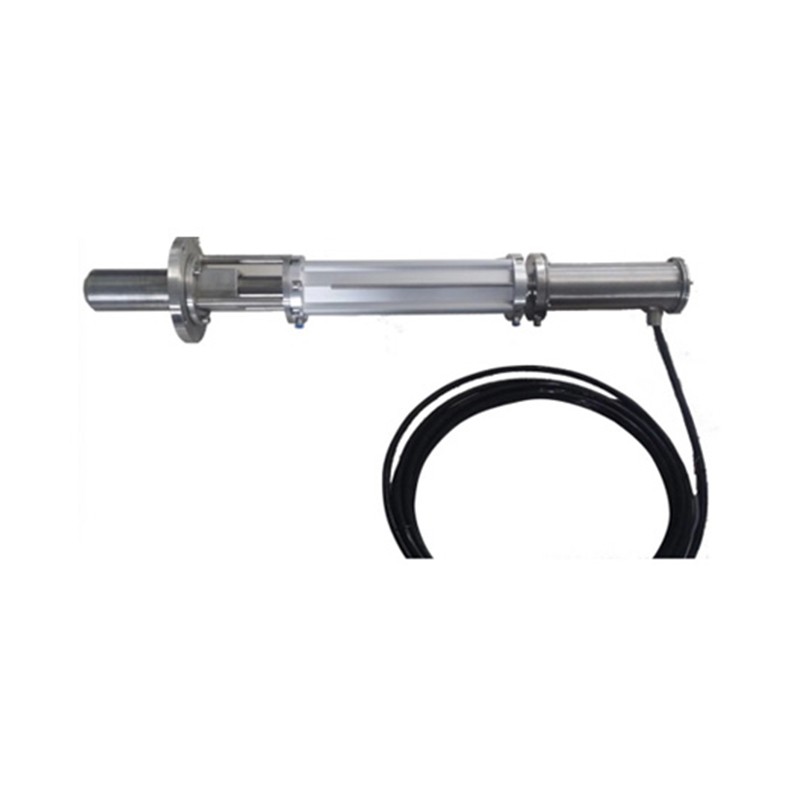
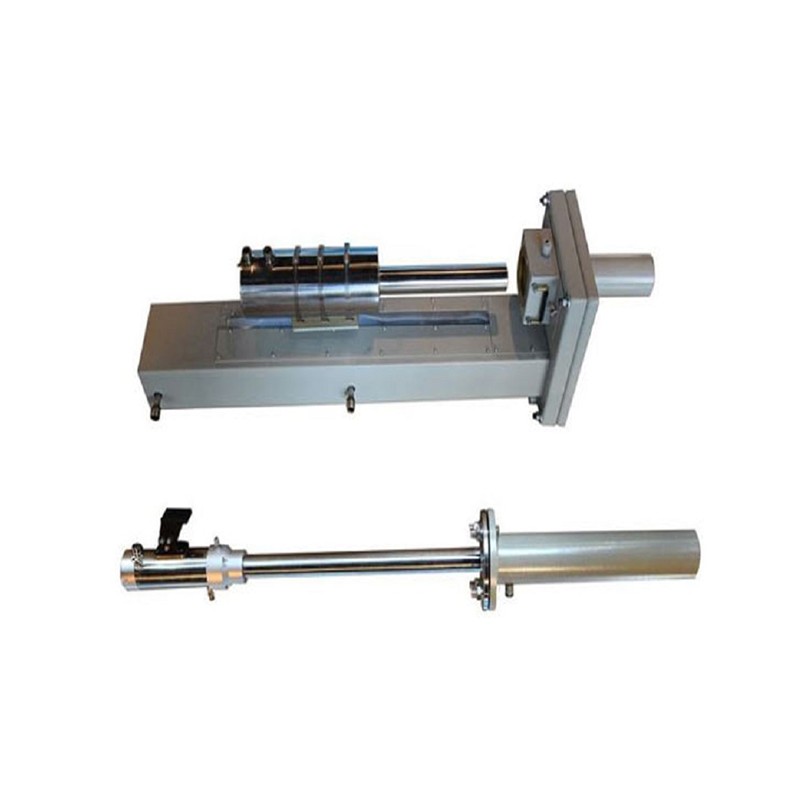
Internal process monitoring: Insertion-type camera with water-cooled probe, viewing the brick lining, flame zone, or clinker bed directly
This dual-deployment flexibility ensures comprehensive coverage whether your priority is refractory management (external) or combustion optimization (internal).
Simultaneously, the video stream lets operators visually confirm abnormalities—a bulge in the coating, a shifting flame shape, or a localized brick spall.
This dual-stream approach enables early intervention. When a hot spot develops on the shell, the system detects the temperature anomaly immediately, tags it with GPS or kiln revolution coordinates, and triggers a tiered alarm. Operators can then adjust the burner, reduce feed, or plan a maintenance window—typically saving 48-72 hours of reactive downtime.
Clients in the cement sector report an ROI of $400K-$600K within the first 12 months from avoided shell repairs and extended refractory campaigns alone. A heat resistant camera for furnace environments which fails to provide real-time data can be worse than having no camera at all; the system must remain operational under continuous high temperature to ensure no blind spots.
1.3 Industry Standards & Safety Compliance Requirements
Compliance is not a marketing checkbox; it's a legal and operational necessity. Depending on your region and the materials you process, your monitoring equipment must meet ISO 13779 (refractory integrity), ISO 10816 (mechanical vibration), and potentially ATEX Directive 2014/34/EU if you operate in a potentially explosive atmosphere—common in coal-fired or alternative fuel kilns.
Systems deployed in North America often require NFPA 70 (NEC) compliance for hazardous locations. Selecting a system with pre-certified ATEX/IECEx components from qualified explosion proof camera suppliers eliminates a major project delay during installation.
Always request a full Declaration of Conformity that covers the complete assembly—camera, housing, cables, and junction boxes—not just the sensor head.
2. Core Components of a High-Temperature Kiln Monitoring System
A complete rotary kiln monitoring system is far more than just a camera. It's an engineered assembly designed to survive continuous exposure to high temperature, particulate-laden atmospheres while delivering actionable data to your control room. Misunderstanding these components leads to premature failure, inaccurate data, and wasted investment.
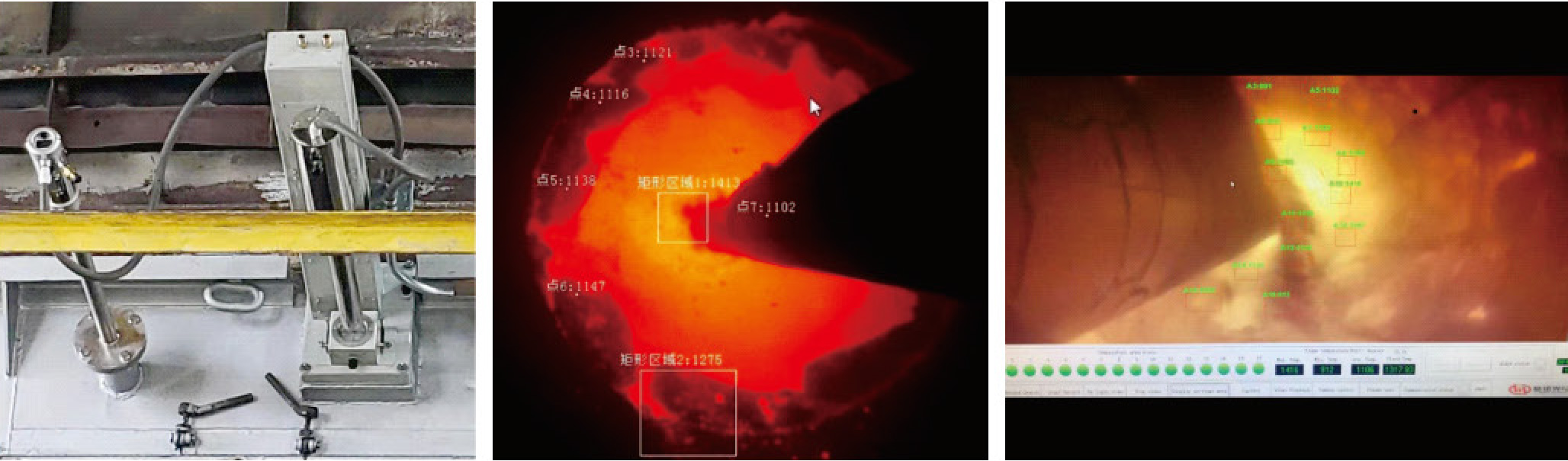
2.1 Heat-Resistant Camera Housing & Cooling Technologies
The camera housing is the first line of defense. Industrial-grade systems use 310S stainless steel or Inconel alloys with a fully jacketed cooling system. Two technologies dominate:
Water-cooled housings (typically requiring 20-40 L/min of clean process water):
✓ Higher heat extraction capacity
✓ Critical for insertion applications where ambient temperatures exceed 1600 °C
✗ Demands reliable water supply with low conductivity to prevent scaling
Air-purged vortex coolers (using instrument air at 4-6 bar):
✓ Simpler to retrofit
✓ Entirely spark-free—suitable for Zone 1 / Zone 21 hazardous areas
✗ Lower cooling capacity than water systems
A fused quartz or sapphire viewing window, combined with a constant laminar air purge across the lens face, prevents dust accumulation and keeps the optical path clear. Without an active purge, even the best kiln camera lens will be obscured within 30 minutes in a cement preheater.
2.2 Infrared vs. Visible Light: Choosing the Right Sensor for Your Application
Selecting the optimal sensor requires balancing radiometric accuracy against operational context. These modalities are complementary, not interchangeable:
Visible-light cameras (typically 1920×1080 CMOS) provide operational context:
✓ Flame shape and stability assessment
✓ Clinker formation and coating dynamics
✓ Mechanical alignment verification (burner pipe, tire positioning)
✓ Essential for day-to-day process optimization by operators
Infrared cameras deliver quantitative thermal
✓ Short-wave (0.8–1.1 µm) sensors: Less sensitive to emissivity changes from coating variations; ideal for internal high-temp monitoring (>800°C)
✓ Long-wave (8–14 µm) bolometers: Better for external shell scanning where ambient temperatures are lower
✓ Radiometric accuracy: ±1–2% of reading with proper calibration
Dual-spectrum systems combine both sensors in a single, boresighted unit, overlaying temperature data onto the video feed—enabling operators to instantly correlate visual anomalies with thermal severity.
→ Learn more: Infrared vs Visible Light for Kiln Monitoring
2.3 Hazardous Area Compliance: When Explosion-Proof Certification Is Mandatory
Plants firing pulverized coal, petcoke, or alternative fuels (RDF/SRF) typically operate in Zone 1 (gas) or Zone 21 (dust) hazardous areas. In these environments, an explosion proof industrial camera is not optional—it's a legal requirement under ATEX Directive 2014/34/EU or NEC Article 500.
Key certification considerations:
Protection method: Flameproof (Ex d) vs. Intrinsic Safety (Ex ia) – the former contains internal explosions; the latter limits energy to prevent ignition
System-level compliance: Certification must cover the complete assembly (camera + housing + cooling lines + cable glands), not just the sensor head
Documentation: Request the full Declaration of Conformity with "X" suffix conditions (e.g., max cooling water temperature)
LuMing's explosion proof infrared camera series carries ATEX/IECEx certification for Zones 1/21 and 2/22, with third-party test reports available upon request.
2.4 Data Integration: Connecting to DCS, PLC & SCADA
A monitoring system without integration is just a display. The system must communicate with your plant's automation infrastructure. Most systems support Modbus TCP/IP and OPC UA as standard protocols, allowing the temperature data and alarm states to be read directly into a Siemens PCS 7, Rockwell PlantPAx, or ABB 800xA DCS.
The hardware typically resides in a dedicated industrial cabinet near the kiln, transmitting data via fiber-optic Ethernet back to the central control room. This architecture ensures<50 ms latency and galvanic isolation from high-voltage equipment.
The real power is in alarm logic. Configure multi-zone alarms:
"Warning" at 280 °C shell temperature → prompts a burner adjustment
"Critical" at 330 °C → automatically logs a maintenance ticket
"Emergency" at 380 °C → initiates an automated kiln slowdown sequence
This closed-loop logic eliminates the 2-5 minutes of operator reaction time that often makes the difference between a managed cool-down and a forced shutdown.
3. Industry-Specific Applications & Monitoring Scenarios
The value of high temperature furnace camera systems is realized differently depending on your process and materials. Here's how each sector deploys them.
3.1 Cement Plants: Kiln Shell, Preheater & Cooler Monitoring
For cement plants, rotary kiln shell temperature monitoring is the most universally deployed application. An infrared line scanner or a panoramic thermal camera mounted on a pan-tilt unit continuously scans the entire kiln shell from nose ring to tire, producing a 2D thermographic "unwrapped" image.
This image reveals:
Refractory brick loss
Ring formation
Early-stage hot spots with spatial resolution as fine as 5 cm
Many plants also install a furnace camera at the kiln hood to observe the burner flame, clinker bed, and snowman formation, as well as in the cooler to monitor clinker discharge temperature and grate condition.
In the preheater cyclone, a camera can detect premature coating build-up (cyclone plugging) before it causes a complete blockage—a common event that can halt production for 12 hours.
3.2 Steel & Metallurgy: Rotary Dryers & Lime Kiln Solutions
In steel and non-ferrous metallurgy, rotary equipment includes direct-fired rotary dryers for nickel laterite, indurating kilns for iron ore pellets, and parallel-flow regenerating lime kilns (PFR kilns).
These applications present distinct challenges:
Highly abrasive dust
Variable feedstock moisture
Need to maintain a specific gas atmosphere (reducing or oxidizing)
A kiln camera inside a lime kiln must contend with highly reflective dust and temperatures up to 1200 °C. Systems optimized for this environment use spectral filtering and a reinforced, abrasion-resistant housing.
For rotary dryers, monitoring the inlet chute and outlet hood prevents material build-up that can cause mechanical imbalance and tire cracking.
3.3 Hazardous Area Compliance: Explosion-Proof Requirements
Plants firing pulverized coal, petcoke, alternative fuels (RDF/SRF), or handling volatile organic compounds present a direct explosion risk. The area classification—typically Zone 1 (gas) or Zone 21 (dust)—requires certified equipment.
An explosion proof industrial camera is not merely a standard camera in a heavy housing; it's a fully engineered system with flameproof (Ex d) or intrinsic safety (Ex ia) protection methods. The enclosure is designed to contain an internal explosion without igniting the external atmosphere, with precision flame paths machined to tolerances of less than 0.1 mm.
Using industrial explosion proof CCTV cameras with Ex certification ensures your installation passes third-party safety audits and, more importantly, protects personnel. Certification must cover the complete assembly, including cooling lines and cable entries.
Get Your Plant-Specific Configuration Guide
4. How to Select the Right Rotary Kiln Monitoring System
Purchasing a kiln monitoring system is a capital decision that will impact your operations for 8-12 years. The selection process must weigh technical suitability, total cost, and long-term support.
4.1 5 Key Questions to Ask Before Purchasing
Before comparing quotes, get clear answers to these five questions. They form the foundation of a rational procurement process.
1. What is the maximum sustained operating temperature and what type of cooling is required?
Ask for the derating curve—system performance at 25°C ambient vs. 60°C ambient matters when located near a kiln shell.
2. What ATEX/IECEx or NEC certifications does the complete assembly carry?
A camera head with an Ex rating attached to an uncertified cable gland voids the certification. Demand system-level compliance.
3. What lens cleaning method is used, and how often is maintenance required?
An automatic retraction device or an efficient air purge system can reduce the need for manual cleaning from once per shift to once per week.
4. Can the supplier provide a reference from a plant with a similar process and operating hours?
Ask specifically about mean time between failures and the nature of any previous failures.
5. What is the guaranteed response time for remote support and on-site service?
A 24-hour on-site commitment likely means they have a regional engineer, not just a central support desk.
Quick Self-Assessment: Does your current monitoring setup meet these 5 criteria?
☐ Real-time temperature mapping (not single-point thermocouples)
☐ Alarm integration with your DCS/SCADA
☐ ATEX/IECEx certification for your zone classification
☐ Remote diagnostics capability
☐<2-hour emergency response SLA
Score<3?→ Get a Free System Gap Analysis
4.2 Total Cost of Ownership vs. Initial Investment
A typical furnace camera system purchase price of $30,000–$80,000 per installation is the starting point. The true cost includes water/air utility consumption, annual lens/window replacement, recalibration (for radiometric IR cameras, usually every 2 years), and operator training. Over three years, these operating expenses add 20-30% to the Capex.
Now compare that to a single unplanned outage. For a 3000 tpd cement kiln, a rapid cooling shutdown from 1400°C can crack 20-40 meters of refractory brick worth $50,000–$100,000 in materials alone. Add lost clinker margin, emergency contractor fees, and potential equipment damage.
The TCO analysis almost universally favors a monitoring system with an amortization period of less than 18 months. When evaluating bids, ask suppliers to provide an itemized 5-year cost estimate, not just the first-year warranty price.
4.3 Installation, Calibration & Ongoing Maintenance
Installation is typically performed during a scheduled kiln shutdown and can take 3-5 days per camera. The supplier should provide a detailed installation procedure, including welding specifications for mounting flanges, coolant pipe routing, and cable gland assembly.
Radiometric calibration of an infrared camera for furnace monitoring requires a multi-point blackbody calibration traceable to NIST or PTB standards. Confirm that the supplier performs this calibration before shipment and provides a digital certificate.
Remote diagnostics capability—via a secure VPN connection to the camera's onboard computer—enables the supplier to troubleshoot, update firmware, and retune image parameters without an on-site visit, reducing downtime by an average of 60%.
5. Technical Specifications, Certifications & Support
Trust in a technical solution is built on verifiable specifications and transparent documentation. The following table summarizes the key performance parameters to validate.
[Suggested Visual: Technical specifications comparison table]
| Parameter | Standard Specification | Premium/Optional |
|---|---|---|
| Max. Operating Temperature | 1600 °C (ambient at housing) | 2000 °C (with ceramic insulation) |
| Cooling Method | Vortex air (6 bar, 1200 L/min) | Closed-loop water/glycol (30 L/min) |
| IR Temperature Range | 600–1600 °C | 200–1800 °C |
| IR Accuracy | ±2% of reading or ±2 °C | ±1% (with in-situ calibration target) |
| Sensor Resolution | 640×480 (IR) / 1920×1080 (VIS) | 1024×768 (IR) / 4K (VIS) |
| Enclosure Protection | IP66 / Type 4X | IP67 (temporary submersion, cleaning) |
5.1 Operating Temperature Range & Protection Ratings
The stated maximum temperature of a camera often references the ambient environment around the housing, not the process. Clarify this distinction with vendors.
An IP66/IP67 rating is non-negotiable; it protects against hose-directed water and temporary submersion during washdowns. The housing should also carry an IK10 impact rating if positioned near material streams.
5.2 ATEX/IECEx & ISO Certifications
Request up-to-date, valid certificates. An ATEX certificate has a format like ATEX 1234 X, where the "X" suffix indicates specific conditions of safe use (e.g., maximum cooling water inlet temperature).
The manufacturer's ISO 9001:2015 certification ensures a repeatable quality process, but also verify that their supply chain for materials like 310S stainless steel has full traceability back to the mill.
5.3 Warranty, Training & 24/7 Remote Support
Standard warranty periods for explosion proof camera suppliers and kiln monitoring vendors are typically 12-24 months. Negotiate an extension to 36 months for key optical and cooling components.
Training should include both classroom sessions (1 day) for process engineers and practical, shift-based mentoring for operators and maintenance technicians. Remote support must include a guaranteed response time of 2 hours for critical downtime issues, backed by an SLA with financial penalties.
6. Frequently Asked Questions (FAQ)
Q: How is a kiln monitoring camera different from a standard security camera?
A: A standard surveillance camera is designed for ambient temperatures up to 50-60 °C and has no protection against dust, gases, or radiant heat. A kiln camera or high temperature furnace camera system uses a cooled, sealed housing, specialized optical filters, and industrial-grade electronics to operate continuously at environment temperatures exceeding 200 °C, often viewing processes at over 1000 °C directly.
Q: Can I install a monitoring system without shutting down the kiln?
A: Shell monitoring systems using infrared line scanners can often be installed and calibrated while the kiln is running, provided safe access to the platform exists. In-furnace cameras (hood, preheater, cooler) require a short shutdown or a pre-existing port with an isolation valve.
Q: How often does the lens need cleaning, and what maintenance is involved?
A: With a properly functioning automatic air purge system, manual lens cleaning is typically needed only during scheduled monthly inspections. If the purge air is wet or oily, fouling can occur within days. The system should include a purge air filtration and drying unit.
Q: What is the typical lifespan of a rotary kiln monitoring system?
A: The camera and electronics have a design life of 8-10 years under continuous operation. The cooling system components (pumps, vortex tubes) may require servicing or replacement at 3-5 year intervals. Refractory-lined internal camera housings may need relining every 2-4 years.
Q: Do I need an infrared camera, or is a visual camera sufficient?
A: A visual camera shows you that something is abnormal; an infrared camera for furnace thermal analysis tells you how abnormal it is and how fast it's deteriorating. For any safety-critical or refractory management application, an IR channel is indispensable.
Q: Are these systems compatible with existing plant networks and historians?
A: Yes, modern systems output data via OPC UA and Modbus TCP over standard Ethernet/IP, directly compatible with Siemens, Rockwell, ABB, and Emerson DCS/SCADA systems. Temperature values, trends, and alarm events can be archived in the plant historian (e.g., OSIsoft PI) for long-term compliance reporting.
Q: What is the difference between a rotary kiln monitoring system and a standard furnace camera?
A: A standard furnace camera typically provides visual monitoring only, with limited temperature capability and no system integration. A rotary kiln monitoring system is an engineered solution combining visual + infrared sensors, active cooling, intelligent alarm logic, and DCS/PLC integration—specifically designed for the mechanical rotation, extreme temperatures, and safety requirements of rotary kilns.
Q: How quickly can a rotary kiln monitoring system be installed during a shutdown?
A: For external shell monitoring systems using infrared line scanners, installation typically takes 1-2 days per camera during a planned shutdown. Internal insertion cameras require 3-5 days due to flange welding, cooling line routing, and calibration. LuMing provides pre-fabricated mounting kits and remote calibration support to minimize kiln downtime.
Ready to Eliminate Kiln Downtime? Schedule a Free Engineering Consultation
A rotary kiln monitoring system is not an expense—it is an operating asset with a proven ROI measured in weeks, not years. The difference between a controlled cool-down and a catastrophic shell failure often comes down to the quality and timeliness of your process data.
By integrating high-definition visual imaging, radiometric infrared thermography, and intelligent alarm logic into your control room, you gain the one thing no plant can afford to lose: the ability to act before a small anomaly becomes a major incident.
Whether you are retrofitting a single cement preheater, standardizing monitoring across all of your lime plants, or specifying an ATEX-certified solution for a new petcoke-fired kiln, the engineering team at LuMing Industrial can provide a tailored configuration, detailed installation planning, and ongoing remote support.
Request a Free Technical Consultation
Disclaimer: This article provides general technical guidance and does not constitute engineering advice. All installations must be assessed by a qualified professional for compliance with local regulations.