



The Ultimate Guide to Selecting a Furnace Monitoring Camera for 1000°C+ Environments
 Mar 11, 2026|
 View:26
When selecting a Furnace Monitoring Camera for environments exceeding 1000°C, several critical factors must be considered. Extreme heat, dust, and vibration can challenge accurate monitoring and measurement. These harsh conditions may impact sensor performance and potentially trigger false alarms due to smoke or flames. High Temperature industrial camera monitoring requires non-contact methods, such as optical pyrometry, which can be complex to interpret. Leading companies like Changzhou Luming Optoelectronics Technology Co., Ltd. offer advanced Furnace Camera Systems & High Temperature CCTV for demanding applications, including specialized Furnace Camera Systems for the Metallurgical & St industries and Furnace Flame Monitoring System in Nuclear environments.
Key Takeaways
Pick a camera that works in very hot places. Make sure it can handle over 1000°C. This helps you watch the furnace the right way.
Choose cameras with high resolution. Clear pictures help you spot problems fast. This keeps people safe by finding issues early.
Think about the camera’s NETD sensitivity. A lower NETD number means it finds small temperature changes better. This is important for warning you early.
Pick the best field of view for your needs. A wide view lets you see big spaces. A narrow view is good for looking at small details.
Check the cooling and protection systems. Good cooling stops the camera from getting too hot. This makes the camera last longer and work well.
Key Factors for Furnace Monitoring Camera Selection
Maximum Temperature Range
Pick a Furnace Monitoring Camera that can handle very high heat. Not every camera works well above 1000°C. Some, like the LM-NZ500C, can handle up to 2000°C. Others, like the Canty Camera, work up to 1370°C (2500°F). The table below shows how hot each camera can get:
Camera Model | Maximum Temperature (°C) |
|---|---|
LM-NZ500C | ≤ 2000 |
Canty Camera | Up to 1370 (2500°F) |
Choosing the right camera means you get good data and your camera lasts longer.
Image Resolution and Clarity
Clear pictures help you find problems fast. High-resolution cameras let you see small things, even in tough furnace conditions. For best results, pick cameras with these resolutions:
656 x 492 pixels
1968 x 1476 pixels
Better definition helps you spot small temperature changes and hot spots. This lets you fix issues before they get worse. Good images also make it easier to show your team what you found.
Tip: High-resolution pictures help keep everyone safe by catching problems early.
NETD Sensitivity
NETD means Noise Equivalent Temperature Difference. It shows how well a camera finds tiny temperature changes. High thermal sensitivity is important in a Furnace Monitoring Camera. It helps you see small temperature differences, even when the furnace is very hot. If your camera is not sensitive, you might miss early warning signs.
Better spatial resolution helps you see small changes.
Good sensitivity lets you find hidden hot spots.
Clear images make it easier to explain problems to others.
Field of View and Optics
Field of view (FOV) tells you how much of the furnace you can see. Advanced optics use special infrared techniques. These help you get correct temperature readings, even with reflections or different materials inside. Good optics also use smart tools to measure temperatures, even if hot surfaces are nearby.
A wide FOV lets you watch big areas. A narrow FOV helps you look at small spots. Pick the right FOV for your needs to get the best results.
Durability and Build Quality
Furnaces are harsh places. Your camera must survive heat, dust, and shaking. The best cameras use strong materials and smart designs to last longer. Look for these features:
Good thermal insulation and tough materials
Lenses and housings that resist heat
Double stainless steel housing for air cooling
High-pressure air to keep the lens clean
Some cameras, like the Valmet Furnace Infrared Imaging System, are made to last a long time in factories.
Cooling and Protection Systems
Cameras in hot places need cooling and protection to work well. There are two main ways to cool them: air cooling and water cooling. The table below compares these systems:
Feature | Air Cooling | Water Cooling |
|---|---|---|
Heat Removal Efficiency | Moderate | High |
Installation Complexity | Low | Medium to High |
Operating Cost | Low | Moderate |
Maintenance Requirement | Minimal | Regular inspection |
Suitable Temperature | Up to ~1200°C | Up to 1800°C+ |
Risk of Leakage | None | Possible if not maintained |
Pick a cooling system based on your furnace heat, what you have at your site, and how important safety is. Good cooling keeps your camera working right and stops it from getting too hot. This means less downtime and protects your camera.
Good cooling helps you see flames and track materials.
Cooling stops damage and keeps the camera working longer.
The right cooling makes your monitoring system more reliable.
Note: Always check the real temperature where the camera is. Make sure your team can do the needed maintenance.
Types of Furnace Monitoring Cameras
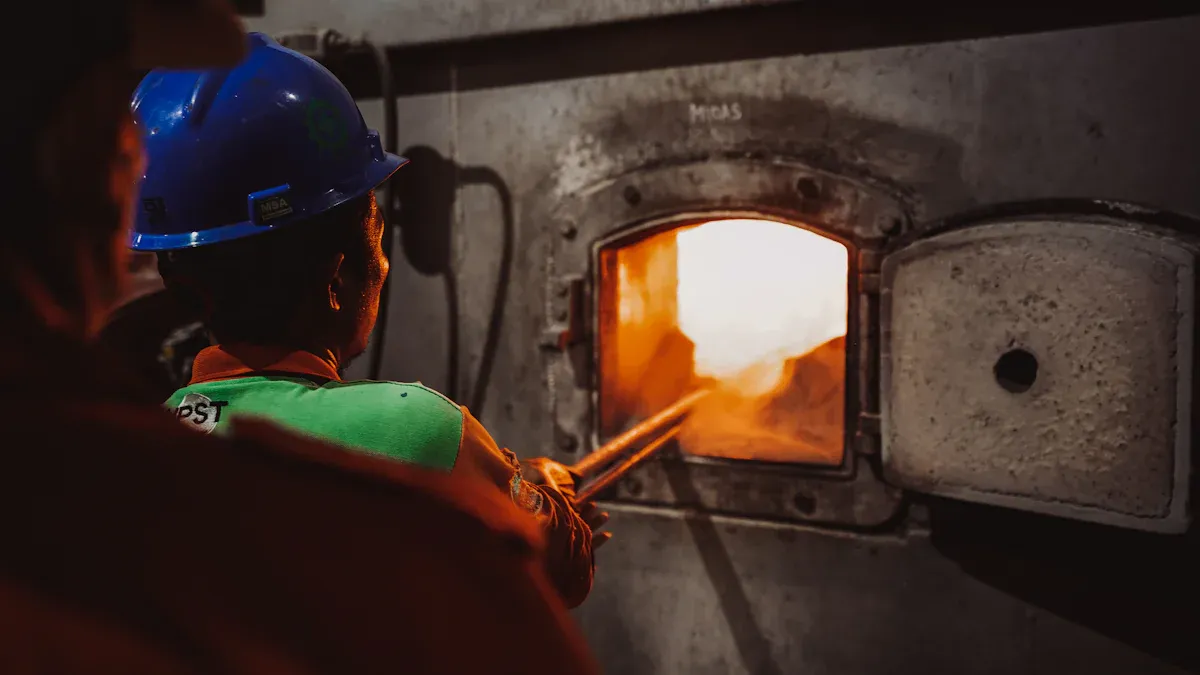
Thermal Imaging Cameras
Thermal imaging cameras let you see heat inside a furnace. They work well in places where it gets hotter than 1000°C. Some models, like NIR-656 and NIR-2K, measure heat from 1000 to 1800°C. These cameras can run all the time in very hot spots. You get sharp pictures and accurate readings. This helps you watch for temperature changes fast. Luming has advanced systems that help you find problems early and keep things safe.
Measure very high heat with accuracy.
Work for long times without stopping.
Show clear pictures so you can decide quickly.
Tip: Thermal imaging cameras help you find hot spots before they cause trouble.
Infrared Cameras
Infrared cameras let you see inside the furnace even if flames or smoke are there. You can check the heat without touching anything. These cameras take thermal pictures that are clearer than regular light cameras. They are not bothered by flames, so you see what is happening inside. Infrared cameras help you spot problems early and make your work better. Luming’s infrared systems are used in cement and glass factories.
Accurate heat checks without contact.
Better vision in tough places.
Find problems early for good results.
Visible Light Cameras
Visible light cameras use normal light to show what is inside the furnace. You can look at materials and equipment to see their condition. These cameras work best in cooler spots or when you need to see colors and shapes. They do not check heat, but they help you find mechanical problems. Luming has good visible light cameras for watching and keeping things safe.
Note: Use visible light cameras to check surfaces or see movement.
Radiation-Resistant Cameras
Radiation-resistant cameras keep working where there is lots of heat radiation. You can trust them in metal melting and power plants. These cameras use strong parts and lenses that resist heat. Special housings and cooling systems help them work well in tough places. Luming’s radiation-resistant cameras are made for quick temperature changes and hard jobs.
Radiation-resistant cameras protect your system and keep it running.
If you pick the right Furnace Monitoring Camera, your facility will be safer and work better.
Essential Specifications to Compare
Temperature Tolerance
You need a camera that can handle very high heat. Steel and glass factories get hotter than 1,500°C. Some jobs reach up to 2,000°C. Pick a camera that works above your furnace’s hottest point. This keeps your camera safe and working well. Top models are accurate within ±1% or ±1°C. A wide dynamic range lets you see hot and cool spots together. This helps you find problems early.
Cameras can check melted glass up to 1,800°C without touching it.
You can watch for worn parts and overheating to keep things running smoothly.
Lens Options
Lens choice changes what you see inside the furnace. Wide-angle lenses show big areas. Telephoto lenses let you see small details or far spots. Some cameras let you switch lenses for different jobs. Pick a lens that fits your needs. This helps you get clear pictures and good readings.
Frame Rate
Frame rate means how many pictures the camera takes each second. Fast-moving furnaces need high-speed cameras. Some cameras take tens of thousands of frames every second. For example, a high-speed InGaAs camera can reach 15,000 frames per second. Slow cameras might miss quick changes. High frame rates help you see fast events and keep things safe.
Housing and Enclosure Ratings
The camera’s housing keeps it safe from heat, dust, and damage. Good housings work from -30°C to 50°C. Some models have alarms and smart tools built in. These features help you watch furnaces and spot problems early. Strong enclosures help your camera last longer in tough places.
Integration with Systems
You can connect your Furnace Monitoring Camera to control systems and software. This lets you plan checks and follow set routes. Smart software sorts pictures and makes reports fast. You save time and make better choices. Integration helps you see through dust and gas for a clear view. Smart tools use live and old data to help you improve your process.
Tip: Pick a camera that works with your current systems for best results.
Purchase vs. Rental Options
Cost and Flexibility
You face an important choice when you need a furnace monitoring camera: buy or rent. Each option has its own benefits. If you want to see the main differences, look at the table below:
Factor | Renting | Buying |
|---|---|---|
Upfront Cost | Low | High |
Access to Pro Models | ||
Maintenance | Included | Your responsibility |
Best for Occasional Use | ||
Long-Term Daily Use |
Renting gives you a low upfront cost. You do not need to spend a lot of money at the start. You also get access to the latest professional models. Maintenance comes with the rental, so you do not have to worry about repairs. Renting works best if you only need the camera sometimes or for a short project.
Buying costs more at first, but you own the camera. You take care of maintenance. This option works well if you need the camera every day for a long time.
Rental flexibility helps you adjust to your needs. You can:
Change your camera setup for each project.
Avoid long-term contracts.
Scale up or down as your work changes.
Get equipment fast in emergencies.
Use the best camera for each job.
Tip: Renting lets you try different models before you decide to buy.
Long-Term vs. Short-Term Use
Think about how long you need the camera. If you use it for a few weeks or months, renting saves money and gives you more choices. You do not have to worry about storage or repairs when the job ends.
If you need a camera every day for years, buying makes sense. You control the equipment and can use it whenever you want. Over time, owning a camera costs less than renting for long periods.
You should match your choice to your project needs. For short jobs or changing projects, renting gives you freedom. For steady, long-term use, buying is the better investment.
Best Cameras by Industry Application
Cement and Building Materials
Cement kilns and lime production need good monitoring. Changzhou Luming Optoelectronics Technology Co., Ltd. has high-resolution thermal imaging systems for kilns. These cameras find hot spots and help stop failures. Advanced lime kiln camera solutions give strong images during burning. The Great Cooler Blanking Camera System works well in hot cement kilns. It gives real-time pictures so you can watch the process.
Cameras resist high heat and work in tough places.
Real-time pictures let you watch all the time.
Preventive maintenance helps you find problems early.
Kiln monitoring systems show thermal images and measure temperature without touching.
360° scanning lets you see the whole kiln for full monitoring.
Glass Manufacturing
Glass furnaces need cameras that handle very high heat and give exact measurements. Luming’s G Series watches important steps in glass-melting furnaces. This helps the furnace run well and keeps product quality high.
Feature | Recommended Specification | Purpose | Example Applications |
|---|---|---|---|
Temperature Range | Up to 2,000°C (3,632°F) | Measures heat in very hot places | Steel furnaces, kilns, incinerators |
Thermal Resolution | ≤ 1.5 mrad, 320x240 detector or higher | Finds small hot spots and details | Refractory inspection, burner monitoring |
You get cameras that work in high heat, are accurate within ±1% or ±1°C, have a wide range, and are protected from tough environments. Explosion-proof housing and high IP ratings keep your equipment safe.
Metallurgical Steel
Steel factories need cameras to make work safer and more efficient. Luming’s Furnace Monitoring Camera solutions help keep torpedo cars safe and make furnace parts last longer.
Benefit | Description |
|---|---|
Improve torpedo car safety | Keeps workers safe near torpedo cars. |
Increases refractory life span | Makes furnace parts last longer. |
Prevents refractory failure | Stops damage and keeps things running. |
Allows timely relining | Helps you fix things before they break. |
Easy interface | Lets you change settings for your needs. |
You can watch for temperature changes and find problems with refractory early. This keeps your factory running smoothly.
Energy and Petrochemical
Energy and petrochemical plants deal with very hot and dangerous places. Luming has radiation-resistant cameras and explosion-proof systems. You get clear thermal images and steady monitoring for nuclear and petrochemical jobs. These cameras handle fast temperature changes and tough conditions. They keep working and help keep people safe.
Tip: Pick special cameras for each industry to make your work safer and more efficient.
Installation and Maintenance Tips
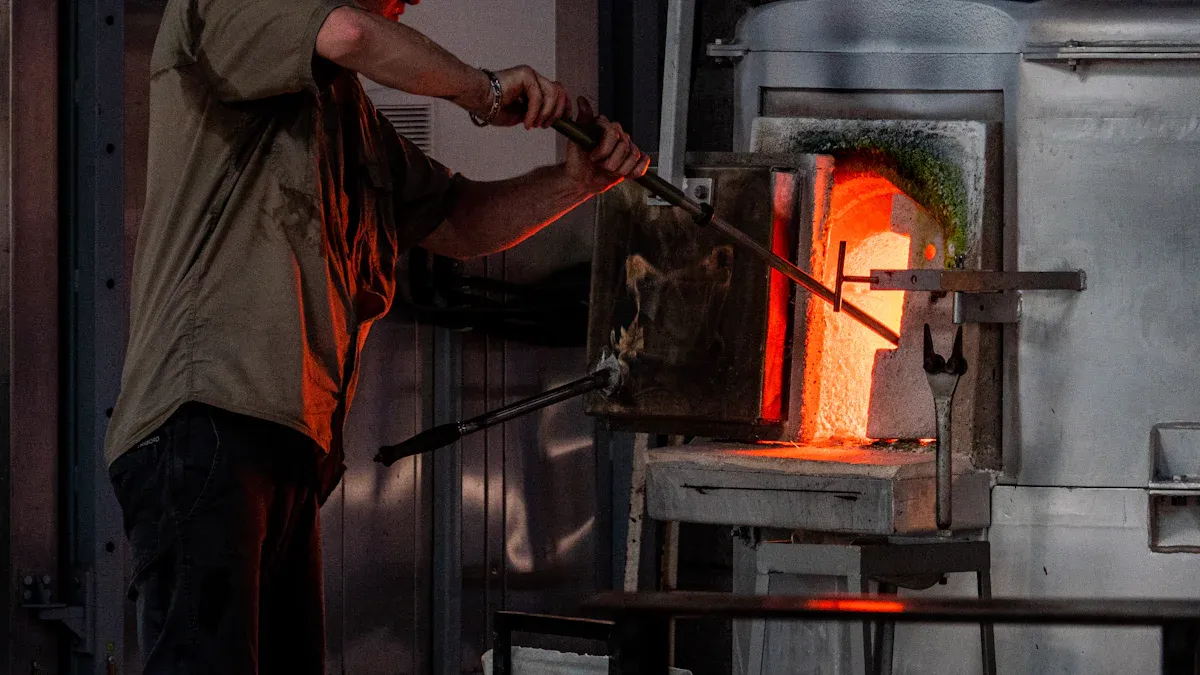
Placement and Mounting
Pick a spot where the camera can see the furnace well. Make sure nothing blocks its view. Use strong mounts that can handle heat and shaking. Secure the camera so it stays in place. Stainless steel brackets give extra strength. If you use an automatic retraction unit, the camera moves back when it senses danger. This keeps your equipment safe from melting. A backup tank of compressed air helps the camera pull back fast in emergencies.
Cooling System Setup
Set up the cooling system before turning on the camera. Air or water cooling keeps the camera safe from high heat. Connect cooling lines tightly so they do not leak. Check airflow or water flow often. Clean the cooling system to stop dust from blocking it. Use covers to protect the camera from sparks and dust. Cooling systems work best if you follow the manufacturer's instructions. If you use auto-retraction, make sure the cooling system works with it.
Routine Maintenance
Regular care helps your camera last longer. Check the camera and its parts often. Clean the lens to keep pictures clear. Calibrate the camera so it gives correct readings. Update the software for new features and better security. Use protective systems like auto-retraction to stop damage. The table below shows important ways to keep your camera working well:
Practice | Importance |
|---|---|
Match camera specifications | Makes sure readings are correct and stops early equipment failure. |
Regular calibration | Keeps the camera working well and accurate. |
Lens cleaning | Stops things from blocking the lens and hurting picture quality. |
Software updates | Keeps the camera system working with new features and security. |
Use of protective systems | Protects the camera from tough conditions, like auto-retraction to stop damage. |
Tip: Good maintenance means fewer breakdowns and keeps your team safer.
Picking the best furnace monitoring camera keeps your workplace safe and running well. Make sure the camera fits your furnace’s heat and where it is used. Always look at things like how hot it can get, what lens it has, and how strong the outside is.
Ask experts or trusted companies like Luming for help.
Think about what you need and look at different choices before buying.
Tip: Write down the problems your furnace has. This helps you find the right camera for your work.
FAQ
What is the best camera type for over 1000°C furnaces?
Pick a thermal imaging or infrared camera for very hot furnaces. These cameras check heat without touching the furnace. They show clear pictures and give correct temperature readings, even in extreme heat.
How often should you clean the camera lens?
Clean the camera lens every week. If your furnace makes a lot of dust, clean it more often. Keeping the lens clean helps you get clear images and makes your camera last longer.
Tip: Always use a soft cloth and follow the cleaning steps from the manufacturer.
Can you use one camera for all furnace types?
You cannot use just one camera for every furnace. Each furnace needs a camera that fits its own needs. High heat, radiation, or explosion risks need special cameras. Always check the camera’s specs before you buy it.
What does NETD mean for furnace cameras?
NETD means Noise Equivalent Temperature Difference. It tells you how well the camera finds small changes in temperature. A lower NETD number means the camera is more sensitive and gives clearer thermal pictures.
NETD Value (mK) | Sensitivity Level |
|---|---|
≤ 50 | High |
51–100 | Medium |
> 100 | Low |
Recent News
1.What Is an Explosion-Proof Camera?Complete Guide for 2025
2025-11-212.What Are Furnace Cameras and How Do They Work
2025-12-103.Top 10 Best Industrial Uses for Explosion Proof Cameras
2025-12-174.Advanced Solutions for Kiln Refractory Monitoring System
2025-08-195.Can You Put a Camera in a Kiln? The Complete Guide to Cement Rotary Kiln Monitoring
2025-08-196.Industrial video cameras for the most hazardous environments
2025-08-19