



How radiation tolerant cameras are used in the nuclear industry
 Apr 02, 2026|
 View:382
You use radiation tolerant cameras to keep people and equipment safe in nuclear places. These cameras work in places with a lot of radiation where normal cameras stop working. You make things safer by using special technology that can handle tough conditions. People count on these cameras to watch important spots and help stop accidents.
Key Takeaways
Radiation tolerant cameras help watch over places with lots of radiation. They keep people and equipment safe.
These cameras must follow tough safety rules. They use strong materials to last in hard places.
It is important to check and fix these cameras often. This helps them last longer and work well.
These cameras let workers check things from far away. This means workers get less radiation and work goes faster.
Some cameras have special features like clear pictures and live data sharing. These features help watch nuclear sites better.
Radiation Tolerant Cameras Overview
What Makes a Camera Radiation Tolerant
You need radiation-resistant cameras in nuclear places or radiation zones. These cameras let you watch areas where high radiation would break normal equipment. Radiation tolerant cameras must meet strict rules and follow safety standards like IEC, RoHS, and CE. These certifications help you know the cameras are safe and work well.
When you look at radiation-resistant camera designs, you see some key things:
Strong cases made from lead, steel, or special alloys block radiation.
Circuit boards and covers protect against water, dust, and radiation.
Solid-state sensors help stop damage from radiation.
Cumulative radiation tolerance is very important. If you use cameras in radiation for a long time, you need extra protection for important parts. Micro-shields and special parts help the camera last longer. Advanced radiation-resistant cameras can keep working for years, even with lots of radiation.
Tip: Always check the safety labels and materials before you put a radiation-resistant camera in a radiation zone.
Key Features for Nuclear Environments
You should pick cameras with features that fit the hard conditions in nuclear places. The table below shows what to look for:
Feature | Details |
|---|---|
Certification | ATEX Zone 0 – II 1G Ex ia IIC T4 Ga |
Ingress Protection | IP68 (dustproof & submersible) |
Material | SS316 Stainless Steel |
Operating Temperature | -20°C to +60°C |
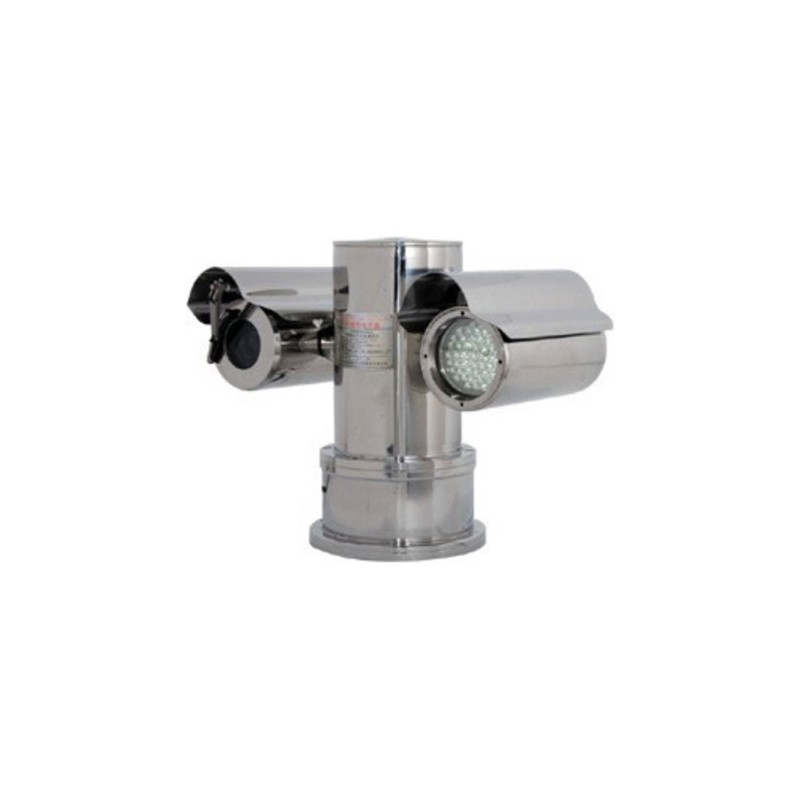
Radiation tolerant cameras use strong materials and special covers. You get clear pictures and smart features like real-time data sharing. The LM-BS580Ex camera is special because it has an IP68 stainless steel case, can handle over 2 MGy of radiation, and has a smart design. You can use this camera in nuclear power plants, spent fuel pools, and medical places. This camera gives you safe and strong monitoring in radiation zones and meets all the rules for safety and strength.
Applications in the Nuclear Industry
Reactor and Spent Fuel Monitoring
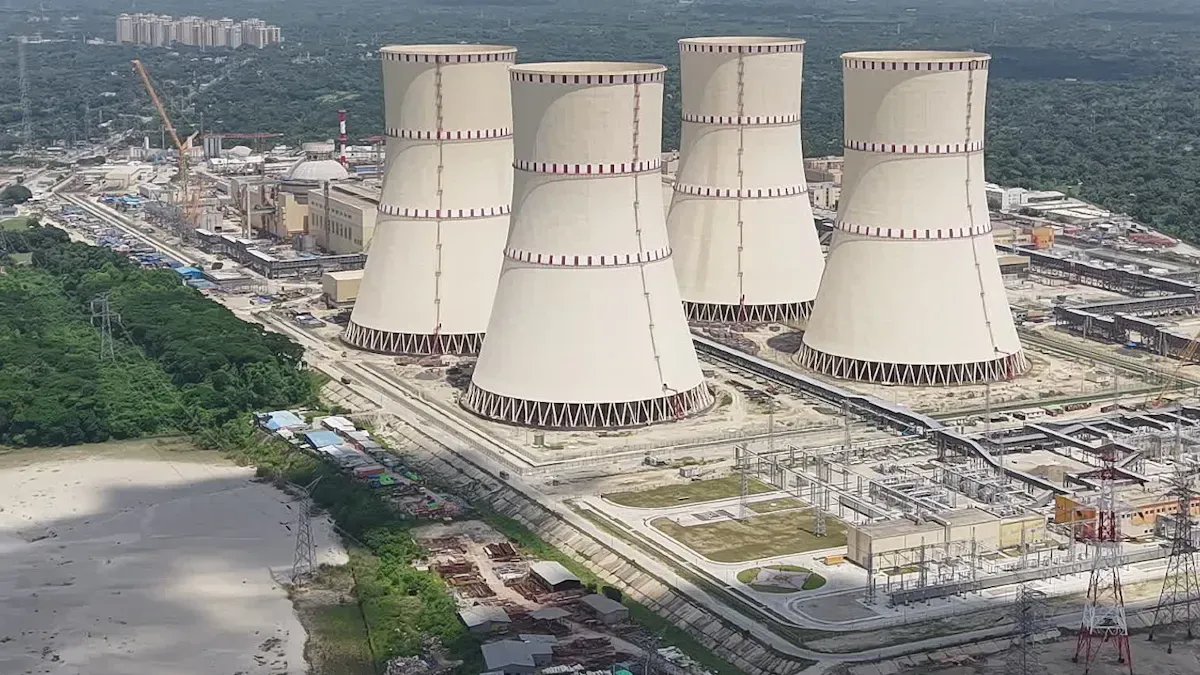
Radiation tolerant cameras are used in nuclear power plants. These cameras help you watch reactor cores and spent fuel pools. You can see places where radiation is too high for people. Radiation-tolerant cctv checks fuel assemblies to keep them safe. You use these cameras for regular maintenance checks. They let you look at equipment and controls without going into dangerous areas.
Here is a table showing common uses in nuclear power plants and research reactors:
Application Type | Description |
|---|---|
Monitoring Reactor Cores | You check inside reactor cores for safety and efficiency. |
Inspecting Fuel Assemblies | You look at fuel assemblies to make sure they work well. |
Routine Maintenance Checks | You check high-radiation areas to keep equipment safe and working. |
Radiation tolerant cameras let you watch things in real time. You can see job coverage, access points, people, fire watch, and dose reduction steps. You also check controls, gauges, and site glass. Underwater radiation-tolerant cctv lets you look at places under water. You find debris and keep the core clean to stop safety problems. You see better during refueling and other jobs.
Maintenance and Remote Operations
Radiation tolerant cameras help with maintenance and remote operations in nuclear power plants. These cameras let you check things from far away. You do not have to go into dangerous places yourself. You can move the camera to pan, tilt, and zoom (PTZ) to see different parts. You get clear pictures for good checks.
Here is a table showing features that help with maintenance and remote operations:
Feature | Description |
|---|---|
High-Resolution Imaging | You get clear pictures for good checks without being in dangerous places. |
Remote Operation | You check from far away, so workers get less radiation. |
Radiation-Resistant Design | Cameras are made for high-radiation places, so they are safe and work well. |
Remote Control PTZ | You check dangerous areas from far away using pan, tilt, and zoom. |
High Definition Imaging | You see very clear pictures for careful checks. |
Versatile Applications | You use these cameras in nuclear power plants and labs. |
Radiation tolerant cameras help you spot early signs of damage. You spend less time checking and workers get less exposure. You follow rules and keep things safe. These cameras help robots and remote checks. You use real-time video to make fast choices and keep the plant running well.
Safety and Security Surveillance
Radiation-tolerant cctv is used for safety and security in nuclear power plants. These cameras work in tough conditions and give you good monitoring. You can set up surveillance systems to fit your needs. You use sensors for temperature and radiation levels.
Here is a table showing features and benefits for safety and security surveillance:
Feature/Functionality | Description |
|---|---|
24/7 Surveillance | You watch high radiation areas all the time. |
Radiation Tolerance | Cameras handle gamma and neutron radiation during reactor work. |
Active Cooling | You meet LOCA standards with cooling systems. |
Multi-Sensory Monitoring | You use audio, temperature, and thermal sensors for full monitoring. |
Remote Control | You manage functions with video software for easy control. |
Early Warning System | Thermal cameras spot temperature changes and warn you about problems. |
Radiation tolerant cameras give you nonstop surveillance, even during accidents. You can install small cameras easily and keep them working with less effort. You get better monitoring of reactor conditions with sensors. Underwater cameras help you check places under water and find debris. You keep the plant safe and secure with advanced cctv systems.
Note: You make nuclear power plants safer and more efficient by using radiation tolerant cameras for real-time monitoring, maintenance, and security. These uses help protect people, equipment, and the environment.
Radiation-Resistant Camera Technology
Materials and Construction
You need tough materials to make a radiation-resistant camera. Stainless steel is used because it does not rust. It also keeps the camera safe from water and dust. A strong case protects the camera from chemicals and high radiation. The LM-BS580Ex camera has a stainless steel case with an IP68 rating. This means you can use it underwater or in bad weather. The camera still works well when radiation is high.
The camera is safe inside a sealed case.
You can use it in many places, like spent fuel pools and reactor rooms.
It keeps working after being in radiation for a long time.
A radiation-resistant camera must work in very hard conditions. The LM-BS580Ex is special because it can handle over 2 MGy of radiation. The camera, case, pan/tilt part, and decoder are all together in one design. This makes it easy to set up and means you do not need to fix it often.
Imaging and Illumination Solutions
You want clear pictures in nuclear places. Special sensor technology helps the camera take sharp pictures, even with strong radiation. The LM-BS580Ex gives you full HD video with advanced imaging. You can pick different lights, like infrared LED, array LED, or laser. These lights help you see in total darkness.
Feature | Description |
|---|---|
Imaging Technology | Radiation-hardened CMOS image sensor |
Resolution | Full HD (1920x1080), programmable frame rate up to 30 FPS |
Dynamic Range | Over 60dB |
Pixel Size | 5 μm |
Operating Temperature | 0 to 85°C junction |
Communication Interface | Parallel CMOS 10/12b interface |
Power Supply | 3.3V and 1.8V |
Features | On-chip sequencer, programmable integration time, video and trigger modes |
Camera Design | Compact and lightweight |
Additional Features | Motorized lenses and advanced lighting options |
You can move the camera to see every angle. The camera gives you nonstop watching and works well in low light. You get good pictures for checking and safety. The LM-BS580Ex has new features that make it great for checking nuclear fuel and watching reactors. You can count on this camera for safety and good work.
Benefits and Challenges
Safety and Efficiency Gains
Radiation tolerant cameras help keep people safe in nuclear places. These cameras let you watch dangerous spots without going inside. You lower the risk of people getting hurt by radiation. You can check machines and work from far away. This makes things faster and safer.
You get live video from these cameras. You can see problems early and fix them before accidents happen. You save time when you check and fix things. You spend less money because the cameras last longer. They are made for tough places, so they do not break easily. You can trust these cameras to keep your facility safe and working well.
Here is a table showing the main benefits:
Benefit | How It Helps You |
|---|---|
Improved safety | Keeps people away from radiation |
Faster inspections | Saves time and effort |
Cost savings through longer equipment lifespan | Reduces replacement costs |
Better monitoring | Helps you spot issues early |
Limitations and Maintenance Needs
Radiation tolerant cameras have some challenges you need to know. Even though they handle radiation well, they still have limits. CMOS image sensors can stop working as well in nuclear places. High radiation can make pictures look worse and harder to see. This happens more when the radiation is very strong.
Here are some common limitations:
Image sensors get weaker after being in strong radiation.
Higher radiation makes picture quality drop faster.
Cameras may need to be replaced when they stop working.
You need to take care of these cameras. Check them often to make sure they work right. Clean or change parts if needed. Plan for the cost to fix or replace them. Nuclear places are tough, so you must watch your equipment closely.
Tip: Regular maintenance helps your cameras last longer and keeps your monitoring system working well.
You use radiation tolerant cameras to make nuclear places safer. These cameras help you watch dangerous spots and keep things running well. The table below shows how new technology and rules help you watch better and manage risks.
Description | Impact |
|---|---|
Upgrading infrastructure | Safer nuclear work and following rules better |
Smart sensor integration | Better efficiency and risk control |
New ideas bring AI, smaller cameras, and thermal imaging to monitoring.
You know advanced monitoring is very important for nuclear safety.
FAQ
What is a radiation tolerant camera?
A radiation tolerant camera helps you watch places with high radiation. You use it where normal cameras stop working. It keeps working in hard places like nuclear power plants.
How do you install a radiation tolerant camera?
You follow the steps from the maker. You put the camera in a safe place. You connect the wires and check the seals. You test the camera to make sure it works.
Can you use radiation tolerant cameras underwater?
Yes, you can use many radiation tolerant cameras underwater. You choose models with IP68 ratings. These cameras work well in spent fuel pools and wet places.
What maintenance do radiation tolerant cameras need?
You check the camera often. You clean the lens and the case. You look for damage or signs of wear. You change parts if needed. Regular care helps your camera last longer.
Recommended Products
Radiation Resistant Camera
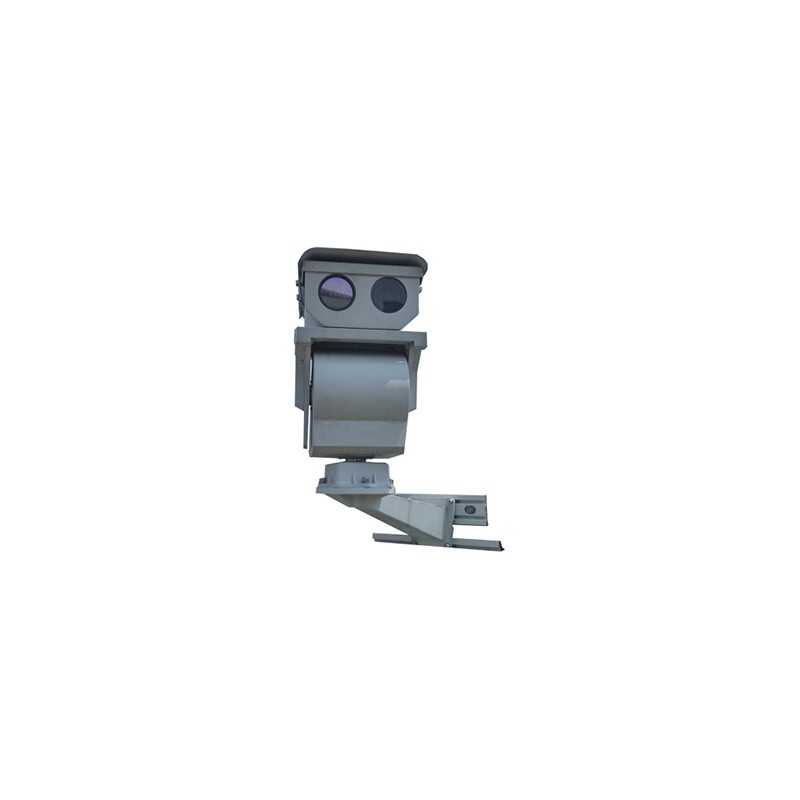
Explosion-Proof Thermal Infrared Imager Monitoring Camera
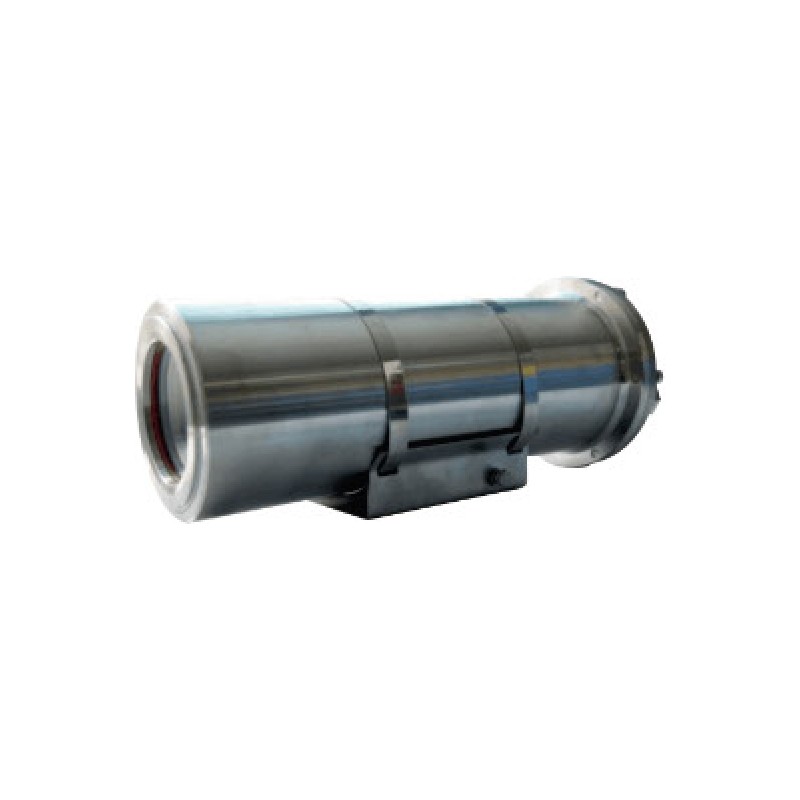
ip68 explosion proof infrared thermal imager for fire identification
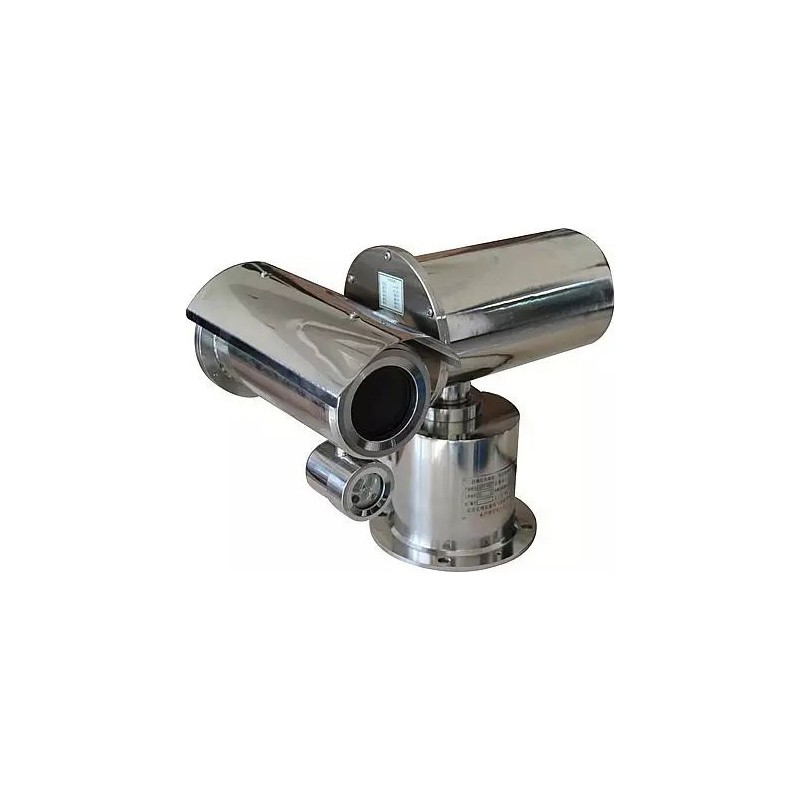
Explosion proof CCTV Camera丨Integrated Infrared Network Series
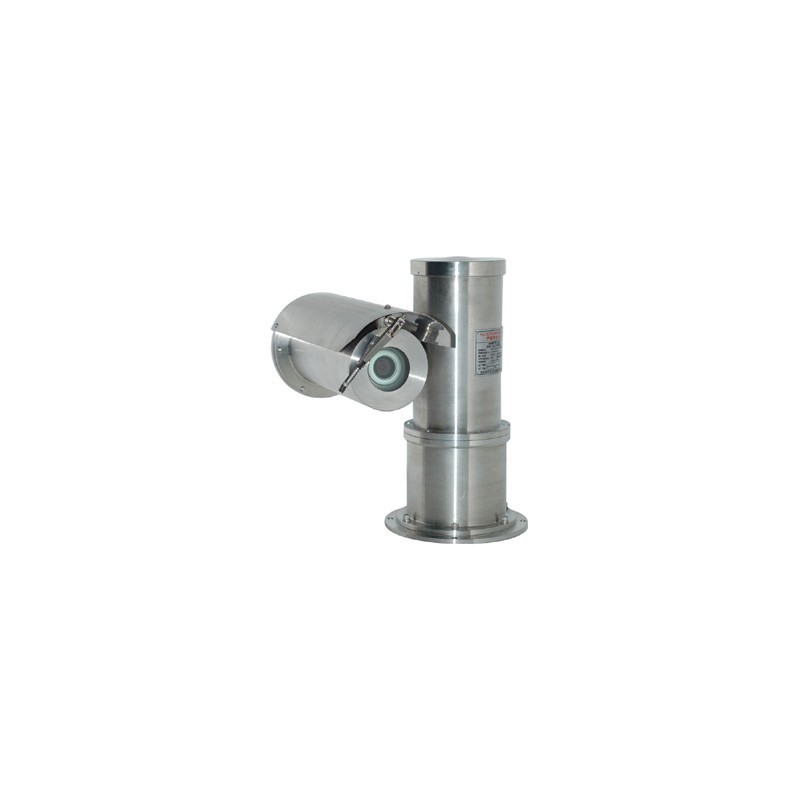
EX IR Series丨Industrial Explosion Proof IP Camera
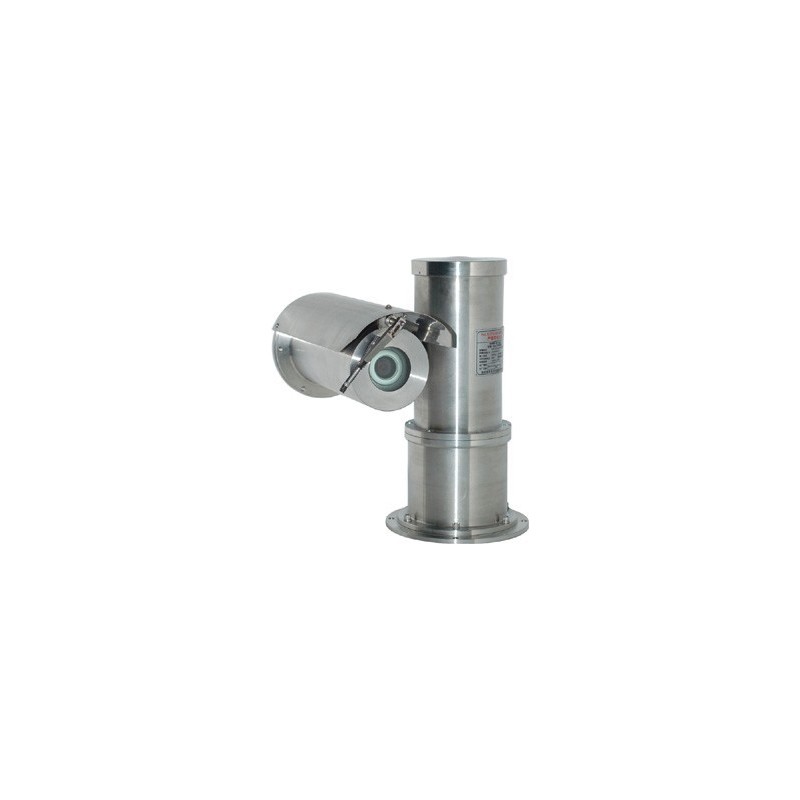
Single Barrel Explosion-Proof Surveillance Camera
Recent News
1.The Ultimate Guide to Selecting a Furnace Monitoring Camera for 1000°C+ Environments
2026-03-112.Air Cooling vs. Water Cooling: Which is Right for Your Furnace Camera?
2026-02-283.Reliable Heat Resistant Camera for Furnace: 3 Core Cooling Technologies Explained
2026-02-284.How High Temperature Furnace Camera Systems Revolutionize Blast Furnace Efficiency and Safety
2026-02-245.Industrial Camera Solutions for High-Temperature Lime Kilns
2026-02-13