


The Ultimate Guide to Explosion-Proof Industrial Cameras for Harsh Environments
 May 26, 2026|
 View:33
The Ultimate Guide to Explosion-Proof Industrial Cameras for Harsh Environments
In industries like oil & gas, chemical processing, and heavy manufacturing, safety is not just a regulation—it's a necessity. Standard surveillance equipment simply cannot survive in environments filled with flammable gases, combustible dust, or extreme heat. This is where explosion proof industrial cameras become critical assets.
Whether you are looking for an explosion-proof infrared camera for thermal monitoring or a rugged explosion-proof security camera for perimeter safety, choosing the right equipment ensures operational continuity and personnel safety. This guide explores everything you need to know about industrial explosion proof CCTV cameras, from technology to selecting reliable explosion proof camera manufacturers.
1. What is an Explosion-Proof Industrial Camera?
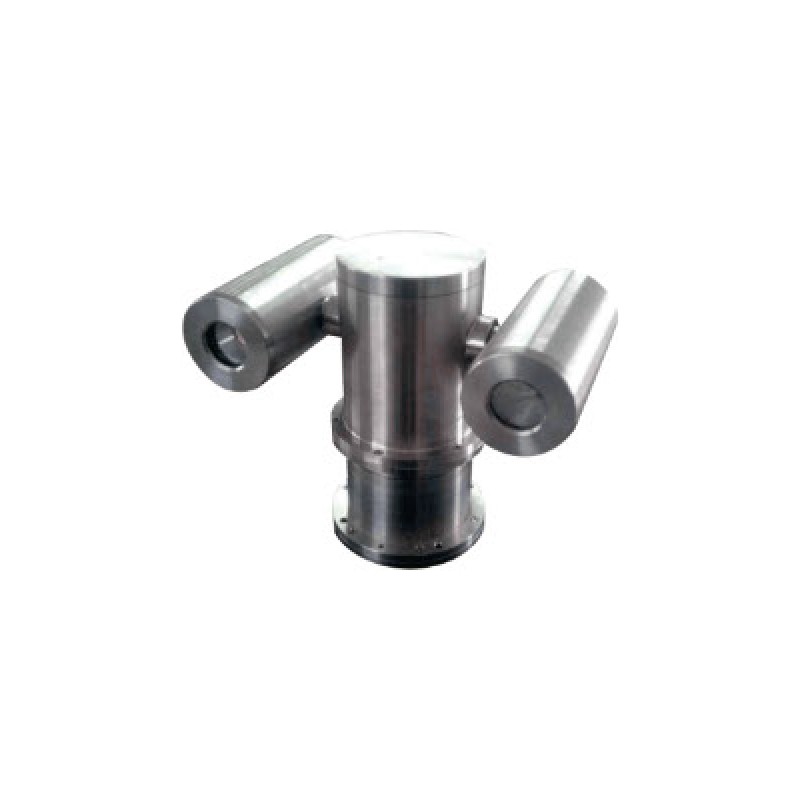
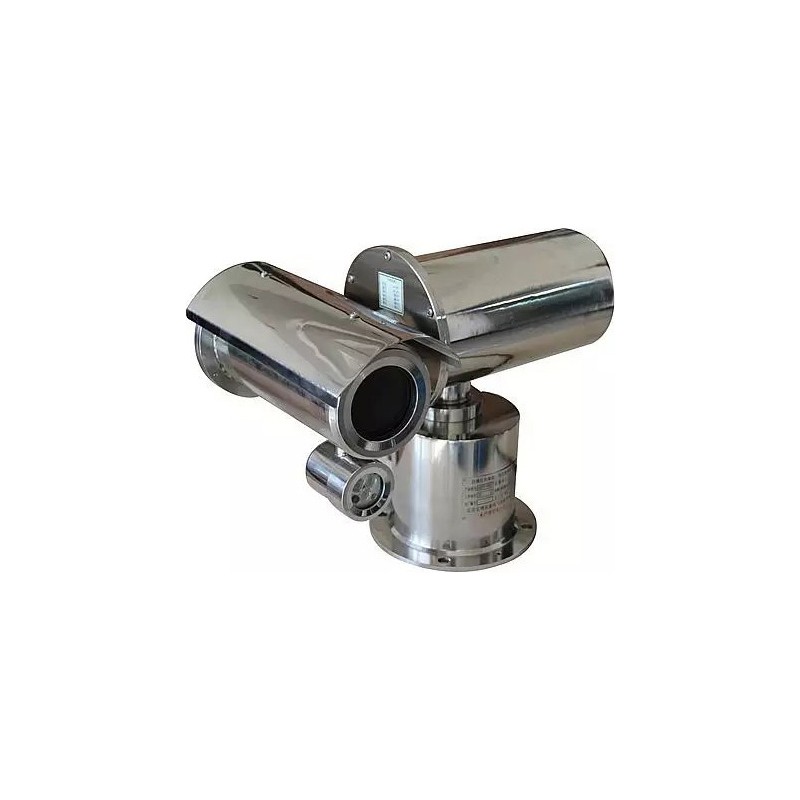
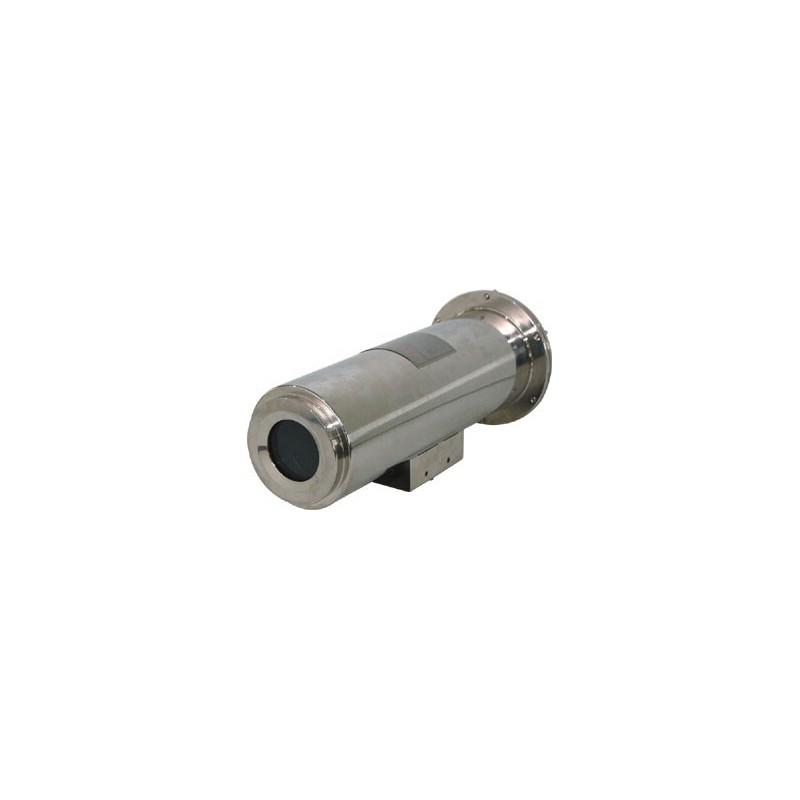
An explosion proof industrial camera is a specialized surveillance device designed to operate safely in hazardous areas (classified as Zone 0, 1, 2 for gases, or Zone 20, 21, 22 for dust). Unlike standard cameras, these units are housed in robust enclosures that can contain an internal explosion without igniting the surrounding atmosphere.
Key features often include:
Stainless Steel Housing: Typically 310S or 316L stainless steel to resist corrosion
Cooling Systems: Air or water cooling to protect internal electronics from ambient heat
Certifications: Compliance with ATEX, IECEx, or NFPA standards
2. Key Technologies: Infrared vs. HD Visual
When selecting explosion proof cameras, you generally have two primary optical choices, each serving a different purpose.
Explosion-Proof Infrared HD Camera (Thermal)
For processes involving extreme heat, visible light cameras are insufficient. An explosion-proof infrared camera detects heat signatures rather than visible light. This is crucial for:
Detecting refractory lining failures in kilns
Monitoring temperature distribution in reactors
Preventing fires in coal handling plants
Note: For high-temperature applications like rotary kilns, specialized thermal monitoring is required. Learn more about preventing costly downtime in our guide to Rotary Kiln Monitoring Systems.
Explosion-Proof Security Camera (Visual)
Standard explosion-proof surveillance cameras provide high-definition visual feedback. These are essential for:
Perimeter security in oil refineries
Monitoring valve positions and gauge readings
General safety observation in explosion proof inspection camera setups
3. Critical Applications in Hazardous Zones
Industrial explosion proof CCTV cameras are deployed across various sectors where the risk of explosion is high.
Oil & Gas and Chemical Processing
Monitoring drilling rigs, refineries, and chemical mixing tanks where flammable vapors are present requires robust explosion proof cameras cctv systems that can withstand corrosive environments.
Cement, Steel & Lime Plants
This is one of the most demanding environments. Equipment must withstand not only explosive dust but also radiant heat exceeding 1000°C.
Example: In a cement plant, an explosion proof infrared camera is often mounted to view the rotary kiln shell. If the refractory bricks wear down, the camera detects the "hot spot" before a catastrophic shell failure occurs.
Read our full technical guide on Rotary Kiln Monitoring here.
4. How to Choose Reliable Explosion Proof Camera Manufacturers
Not all explosion proof camera suppliers are created equal. When evaluating explosion proof camera manufacturers, consider the following criteria:
| Criteria | What to Look For |
|---|---|
| Certification Validity | Ensure the camera holds valid ATEX or IECEx certificates for your specific zone (e.g., Zone 1 or Zone 21). |
| Cooling Technology | Does the manufacturer offer integrated air-purge or water-cooling systems? This is vital for explosion proof inspection camera longevity. |
| Customization | Can they customize cable glands, lens focal lengths, or mounting brackets? |
| Support & Warranty | Look for suppliers who offer remote diagnostics and robust warranty terms. |
5. The Importance of Certification (ATEX / IECEx / NEC)
Buying explosion proof cameras without proper certification is a liability.
ATEX (Europe): Mandatory for equipment used in explosive atmospheres in the EU.
IECEx (International): The global standard for equipment in explosive atmospheres.
NEC/UL (North America): Often referred to as Class I Div 1 or Class II Div 1.
Always request the Declaration of Conformity from your explosion proof camera suppliers to ensure the entire assembly (camera, housing, and cables) is certified, not just the sensor.
Conclusion
Investing in high-quality explosion proof industrial cameras is an investment in safety and asset protection. Whether you need an explosion-proof infrared HD camera for thermal analysis or a rugged explosion proof security camera for general surveillance, understanding your environment's specific hazards is key.
For facilities dealing with extreme heat and dust, such as rotary kilns in cement and steel plants, standard solutions often fail. Specialized monitoring systems that combine explosion-proof housing with advanced thermal imaging are essential.
Ready to upgrade your safety infrastructure? Contact our team of experts to discuss your specific requirements for industrial explosion proof CCTV cameras and find the perfect solution for your plant.