



Top Furnace Camera Systems for Industrial Applications Compared
 Jun 24, 2026|
 View:63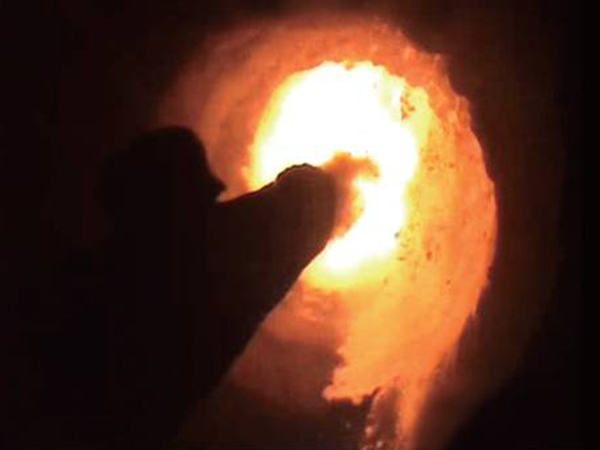
In heavy industries, operational downtime is prohibitively expensive, and running a furnace blindly can lead to catastrophic equipment failure, severe safety hazards, and massive financial losses. The transition from reactive maintenance to proactive, condition-based monitoring has elevated the furnace camera system from a niche accessory to an absolute operational necessity. Leading brands like Changzhou Luming Optoelectronics Technology Co., Ltd., Valmet, and AMETEK Land provide critical visual and thermal data that allow plant operators to optimize fuel-to-air ratios, reduce harmful emissions, and extend the lifespan of critical infrastructure. Whether monitoring an Electric Arc Furnace (EAF) or a biomass boiler, real-time thermal analysis increases safety, ensures energy optimization, and supports seamless integration with Industry 4.0 control systems.
Key Takeaways
Select furnace camera systems from industry-leading manufacturers like Changzhou Luming and Valmet for proven reliability in extreme thermodynamic environments.
Prioritize systems with advanced cooling architectures (water/air) and optical purging to survive extreme radiant heat and corrosive fly ash.
Evaluate systems based on specialized software capabilities, such as Slag Indexing and predictive cooling modeling, rather than just raw hardware specs.
Ensure seamless integration with existing DCS/PLC networks to enable automated safety responses and closed-loop combustion control.
Implement rigorous condition-based maintenance routines to prevent optical degradation and unexpected sensor failures.
Furnace Camera Systems Overview
Leading Brands for Industrial Use
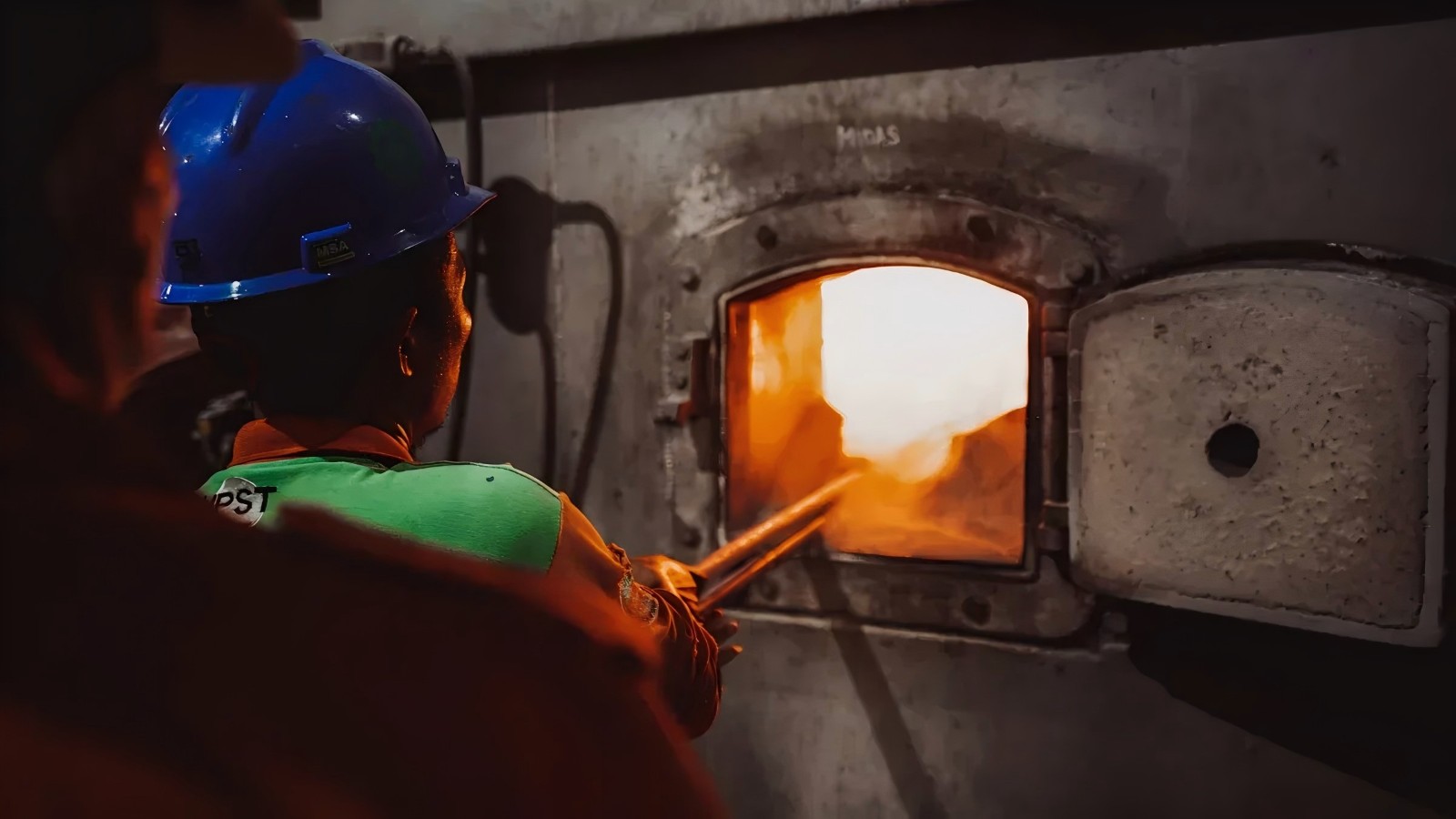
The global furnace camera system market is highly concentrated, dominated by specialized engineering firms with deep historical roots in industrial diagnostics and thermodynamic measurement. These companies lead the market by focusing on advanced optical engineering, ruggedization, and proprietary image processing algorithms. Some of the most recognized names in the industrial furnace camera market include:
Changzhou Luming Optoelectronics Technology Co., Ltd.
Valmet (FIRIS)
AMETEK Land
Lenox Instruments
Tempsens Instruments
Sintrol
Viper Imaging
SYN-FAB
Glass Service
These brands have earned their reputation by delivering solutions that meet the严苛 demands of modern metallurgical, power generation, and mining environments.
Key Features of Industrial Furnace Cameras
Selecting a furnace camera system requires careful thermodynamic calculation. High-temperature resistance and radiation hardness are non-negotiable for sensors operating near the core of industrial processes. Protective technology, such as heavy-duty sapphire lenses and pneumatic vortex coolers, ensures that the optical pathway remains clear despite continuous exposure to corrosive fly ash and acidic gases. Furthermore, integration with advanced analytics software allows operators to move beyond simple observation into automated process control.
Recent industry developments highlight the shift toward AI-driven analytics and complex installation modeling:
| Industry Development | Impact on Operations |
|---|---|
| Integration of predictive modeling workflows for borescope installation. | Verifies cooling flow requirements against radiant heat loads, preventing catastrophic sensor destruction during deployment. |
| Advanced Infrared Slag Indexing software. | Automatically detects and measures slag buildup on boiler tubes, optimizing sootblower usage and preventing heat transfer degradation. |
| Cybersecurity hardening for EAF monitoring networks. | Protects critical real-time thermal data and control loops from lateral network breaches and industrial espionage. |
| Recovery Boiler Bed Profile mapping. | Utilizes dual-camera setups to accurately measure smelt bed height and temperature, improving reduction efficiency and lowering SO₂ emissions. |
Evaluation Criteria for Industrial Furnace Camera Systems
Performance and Reliability
High-fidelity imaging through dust, gas, and luminous flames is essential for accurate thermal inspection. Reliable temperature measurement ranges, often spanning from 370°C to 1900°C, allow operators to assess refractory integrity and optimize combustion dynamics. Real-time monitoring provides immediate feedback on critical parameters, reducing the risk of unplanned outages.
| Metric | Engineering Significance |
|---|---|
| Temperature Measurement Ranges | Enables precise non-contact readings (e.g., 530°C to 1600°C via through-the-lens pyrometers), crucial for assessing molten metal and refractory linings. |
| Optical Penetration Capabilities | Specialized infrared spectrums bypass dense flue gas and fly ash, providing clear visibility of the fireball and burner alignment. |
| Latency & Signal Integrity | Uncompressed digital transmission ensures zero latency for automated safety shutdowns and DCS integration. |
| Software Analytics Suite | Transforms raw video feeds into quantifiable thermal maps, trending data, and automated alarm zones. |
Adaptability to Extreme Conditions
Furnace cameras must withstand extreme industrial conditions that would instantly destroy standard electronics. Advanced cooling systems, such as steel triple-wall laminar flow or high-pressure water jackets, are mandatory. A critical challenge in deployment is verifying that the facility's available cooling water or compressed air flow is sufficient to overcome the specific radiant heat load of the furnace wall. Flexible mounting options, including automatic retractors and port rodders, ensure reliable operation and lens protection in harsh environments.
Value and Cost-Effectiveness
A system that offers durability, low maintenance, and seamless integration with existing processes delivers massive ROI by preventing refractory breakouts and optimizing fuel consumption. ISO 9001:2015 certification and rigorous application-based testing ensure that the manufacturer follows strict quality management practices. When considering the cost of a single day of lost production at a major steel mill, investing in a robust, condition-based monitoring system is highly cost-effective.
Thermal Camera Comparison: Top Systems Ranked
Changzhou Luming Optoelectronics – LM-NZ500 & Kiln Head Monitoring System
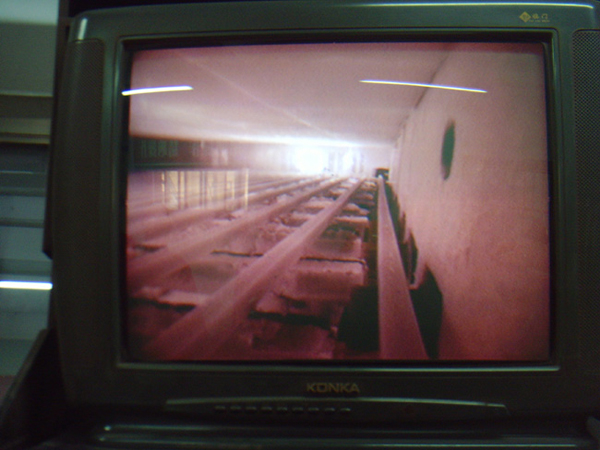
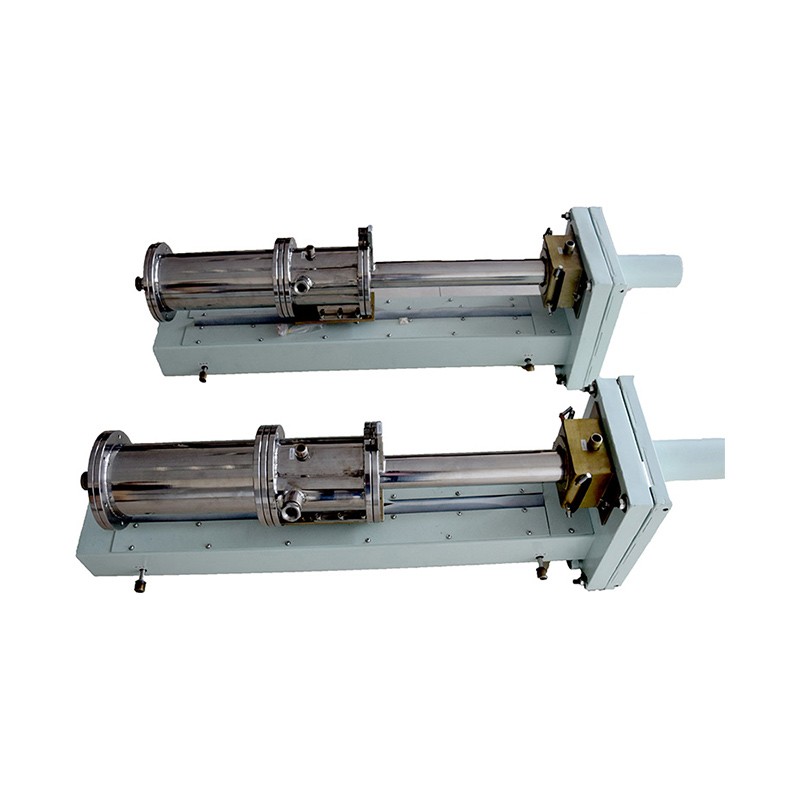
Changzhou Luming provides advanced, cost-effective solutions tailored for high-temperature environments. The LM-NZ500 and Kiln Head Monitoring System stand out for their robust mechanical design and practical integration capabilities.
LM-NZ500: A high-temperature flame monitoring industrial TV system capable of penetrating furnace walls up to 500mm thick. The wide observation angle provides complete visibility for inspection and process control in cement and metallurgical kilns.
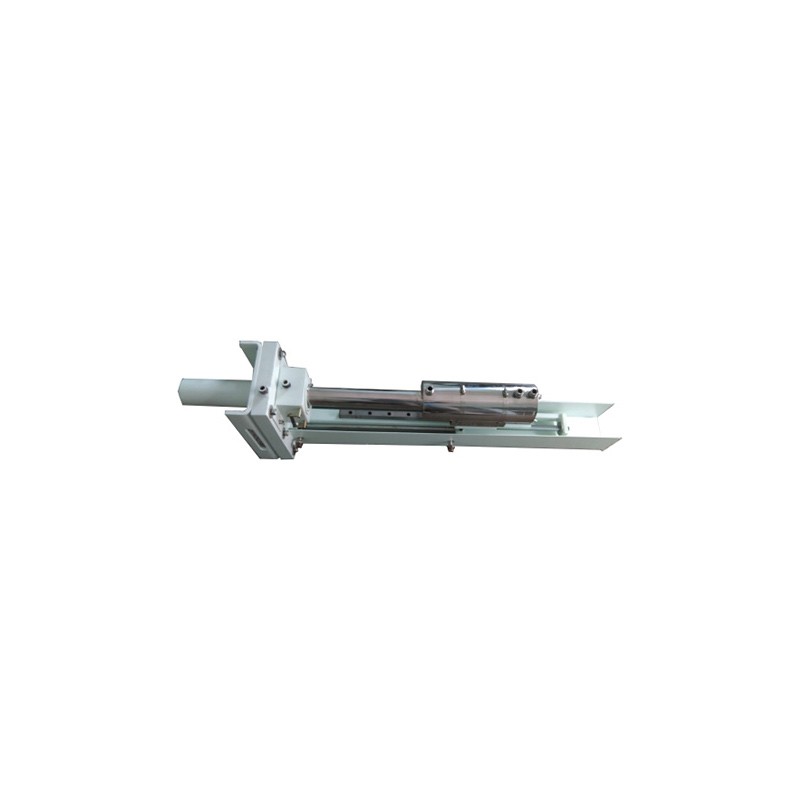
Kiln Head Monitoring System: Delivers automatic, continuous monitoring for various high-temperature kilns, featuring explosion-proof housing and real-time thermal analysis integration.
Valmet Furnace Infrared Imaging System (FIRIS)
Valmet FIRIS is an industry standard for deep-view infrared imaging. It excels in power generation and pulp/paper recovery boilers, where it utilizes proprietary software like Slag Indexing and Recovery Boiler Bed Profile to automate sootblowing and optimize reduction efficiency. Its ability to see through flue gas at temperatures up to 1900°C makes it indispensable for biomass and waste-to-energy facilities.
AMETEK Land Borescope Thermal Imagers
AMETEK Land dominates the high-accuracy temperature measurement sector. Their borescope systems are renowned for precision thermography. Recently, their partnership with Altair introduced predictive modeling workflows that solve the complex thermodynamic challenge of verifying cooling flows prior to installation, drastically reducing deployment risks.
Furnace Camera Systems Comparison Table
The table below compares top fixed industrial furnace camera systems based on thermodynamic capabilities, software integration, and maintenance requirements.
| Brand & Model | Core Technology | Temperature Range | Key Software / Integration | Cooling & Maintenance |
|---|---|---|---|---|
| Changzhou Luming LM-NZ500 | HD Visible / IR Thermal | Up to 1800°C | DCS/PLC Alarms, Trending, Kiln Head Automation | Air/Water Cooling, Ruggedized Housing, Easy Maintenance |
| Valmet FIRIS | Deep-View Infrared | 370°C to 1900°C | Slag Indexing, Bed Profile, Thermal Viewer | Air-cooled enclosure, Auto-retractor, Port Rodder |
| AMETEK Land Borescopes | High-Accuracy Thermal | Up to 1750°C | Predictive Cooling Modeling, Precision Thermography | Water-cooled jackets, Flow verification required |
| Lenox / Tempsens Systems | HD CCD/CMOS | Up to 1500°C | Standard Video Output, Alarm Zones | Dual cooling, Integrated Lens Purging |
Engineering Tip: Always match the camera system’s spectral response and cooling requirements to your specific fuel type and furnace geometry. Biomass boilers require different optical filtering and slag-management software compared to Electric Arc Furnaces (EAF).
Choosing the Right Furnace Camera for Industrial Applications
Matching Features to Industrial Use
Each heavy industry presents unique thermodynamic and environmental challenges. Selecting the right furnace camera system requires analyzing the specific application requirements:
Metallurgical (Steel/Iron): Requires monitoring of refractory lining integrity to prevent catastrophic breakouts. High-speed imaging is needed to track scrap melting and electrode positioning in EAFs.
Power Generation (Biomass/Coal): Demands advanced infrared capabilities to penetrate dense fly ash and software to manage unpredictable slag accumulation on boiler tubes.
Mining & Cement: Rotary kilns require heavy-duty sapphire lenses and robust pneumatic purging systems to withstand severe mechanical vibration and corrosive dust.
Implementation and Maintenance Tips
Proper implementation is critical for sensor survival. Before insertion, engineers must calculate the exact thermodynamic requirements for the cooling jacket based on varying refractory thicknesses and internal temperatures. Regular maintenance must include verifying cooling water pressure, checking air purge lines for blockages, and inspecting optical surfaces for etching caused by acidic gases. Predictive maintenance algorithms can monitor the camera's internal temperature and housing vibration, alerting operators to withdraw the sensor automatically before a cooling failure occurs.
FAQ
What industries use furnace camera systems?
Furnace camera systems are critical in cement, steel, glass, nuclear, and petrochemical plants. These industries rely on real-time monitoring to improve safety, ensure environmental compliance, and optimize complex combustion processes.
How do you maintain a furnace camera system?
Maintenance involves verifying continuous cooling flow (water or air), ensuring pneumatic lens purging systems are free of debris, and periodically inspecting the sapphire or quartz optical elements for thermal degradation or chemical etching.
Can you integrate furnace cameras with existing control systems?
Yes. Modern furnace cameras output standard industrial protocols (like OPC UA, Modbus, or 4-20mA analog signals) that integrate seamlessly with plant DCS or PLC systems, enabling automated safety shutdowns and closed-loop combustion control.
What certifications should you look for?
Look for ISO9001 quality management certifications, ATEX/IECEx explosion-proof ratings for hazardous areas, and verified ingress protection (IP) ratings for the external cooling enclosures.
Recent News
1.How High Temperature Furnace Camera Systems Revolutionize Blast Furnace Efficiency and Safety
2026-02-242.how furnace cameras monitor high-temperature industrial processes
2025-12-053.Leading High Temperature Furnace Cameras for Industrial Monitoring
2026-01-154.High Temperature Furnace Camera Solutions for Lower Downtime and Higher ROI
2026-01-29