


Furnace Camera Systems Guide: Types, Selection & ROI
 Sep 08, 2026|
 View:56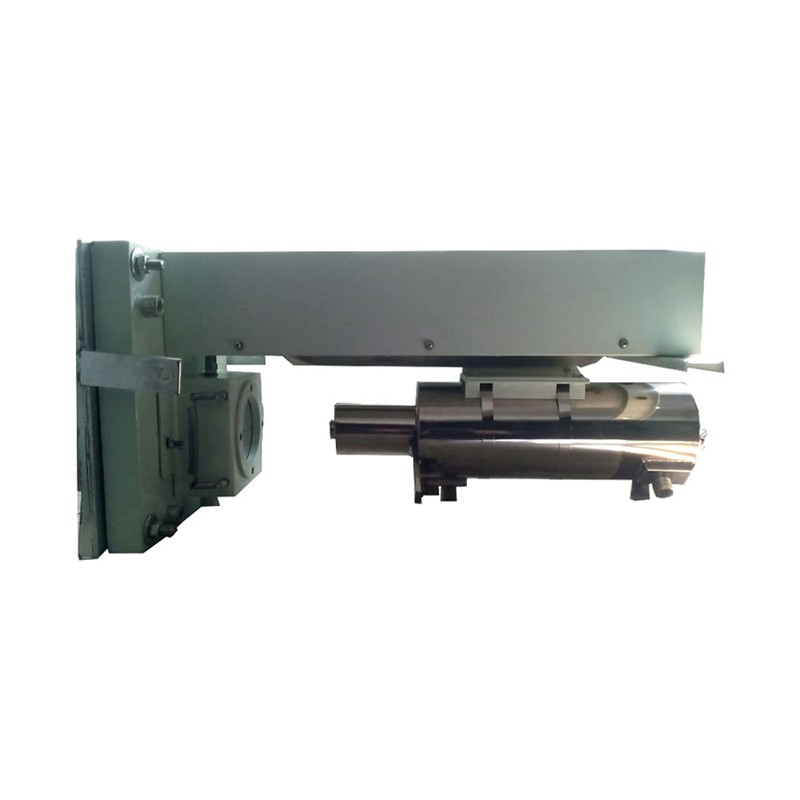
In heavy industries like cement manufacturing, glass production, and metallurgy, the inside of a furnace or rotary kiln is a hostile environment. With temperatures routinely exceeding 1,500°C (2,732°F), intense glare, and thick dust, operators are essentially flying blind. Relying solely on outdated instrumentation or manual inspections is no longer viable in an era that demands maximum fuel efficiency and zero unplanned downtime.
This is where advanced furnace camera systems become mission-critical. Unlike standard CCTV, industrial furnace camera systems are highly engineered, integrated solutions designed to survive extreme heat while providing real-time visual and thermal intelligence to the central control room. In this comprehensive guide, we will break down how these systems work, the different technologies available, and how to select the right solution for your plant.
Key Takeaways
Advanced thermal imaging kiln cameras optimize combustion and prevent refractory failures.
Integrated PLC-controlled automatic retraction systems protect optical components from catastrophic melting during power or air failures.
Cement kiln monitoring relies on both visible light for flame shape and infrared for temperature mapping.
Dual-spectrum (Visible + Thermal) outputs provide comprehensive process control for glass and metallurgical furnaces.
Implementing predictive maintenance via thermal imaging can reduce unplanned downtime by up to 40%.
1. More Than Just a Lens: Core Components of Furnace Camera Systems
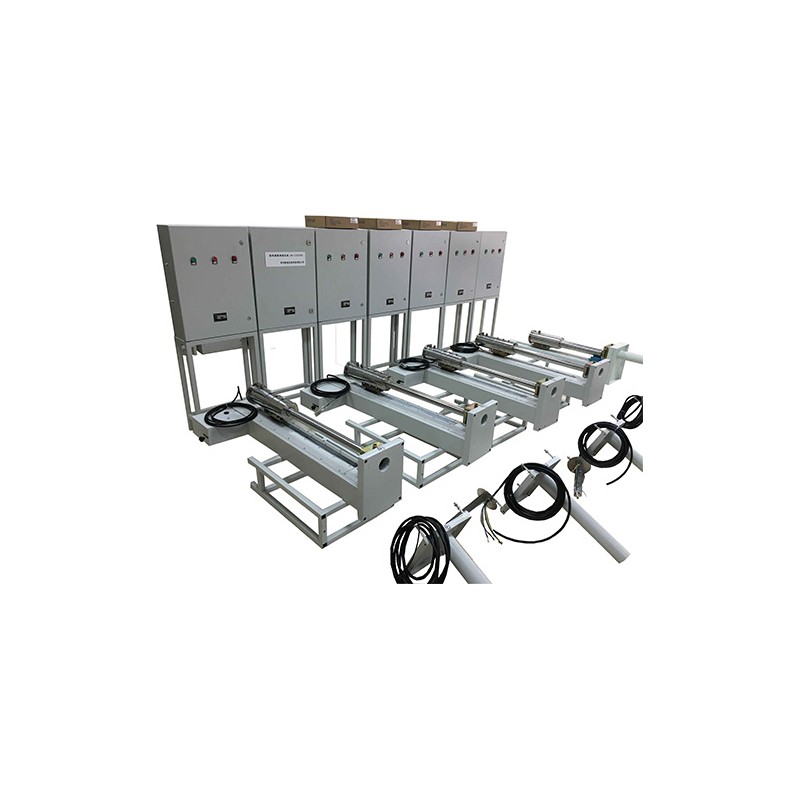
A common misconception is that a "furnace camera" is just a ruggedized security camera. In reality, a complete high-temperature furnace camera system consists of four integrated subsystems working in unison:
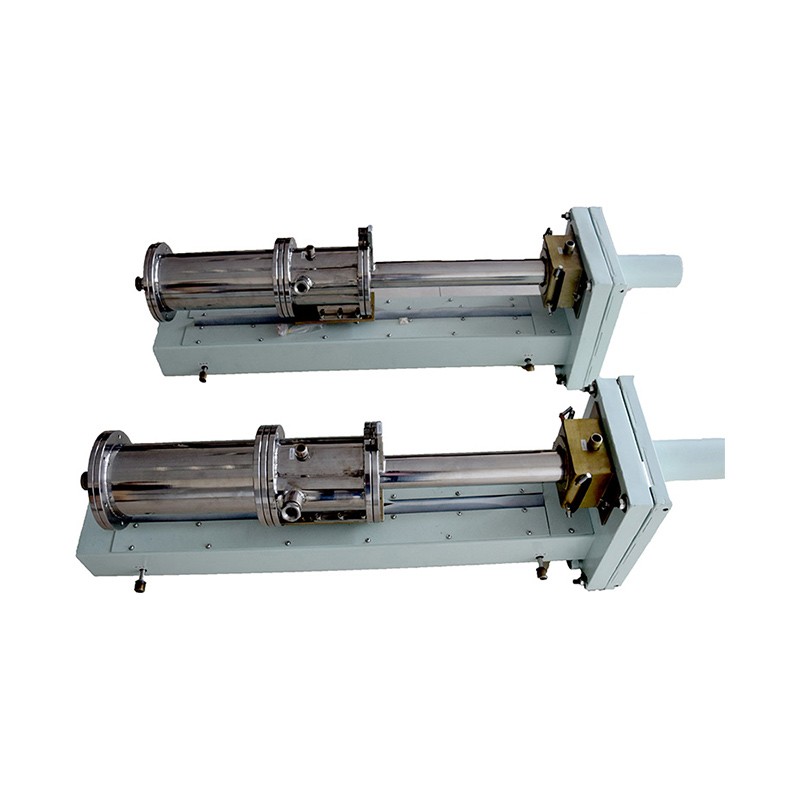
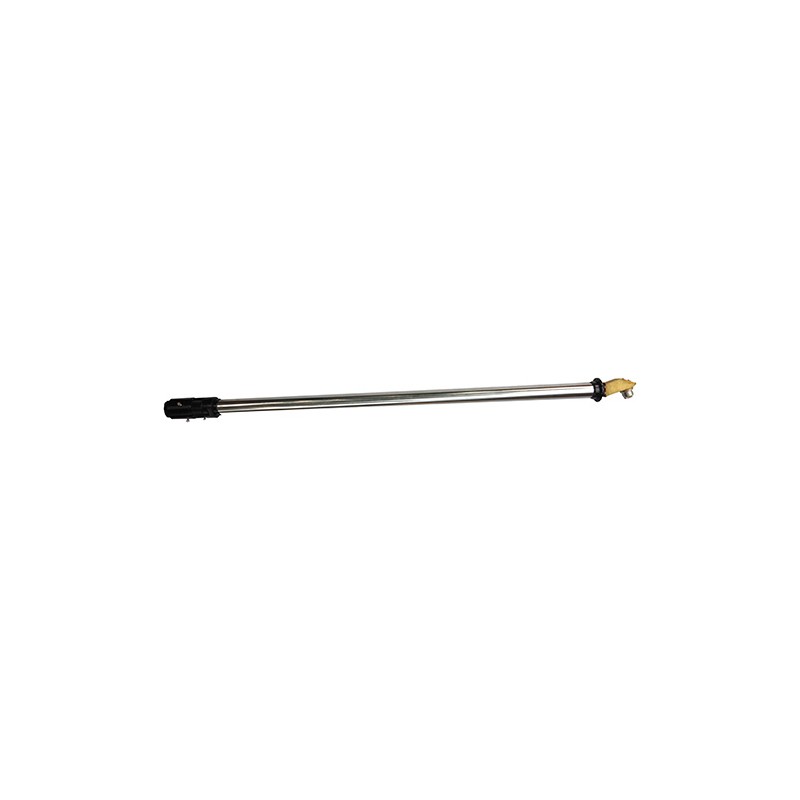
The High-Temperature Probe: The specialized lens and camera sensor (CCD/CMOS or Infrared Microbolometer) housed within a protective stainless steel jacket.
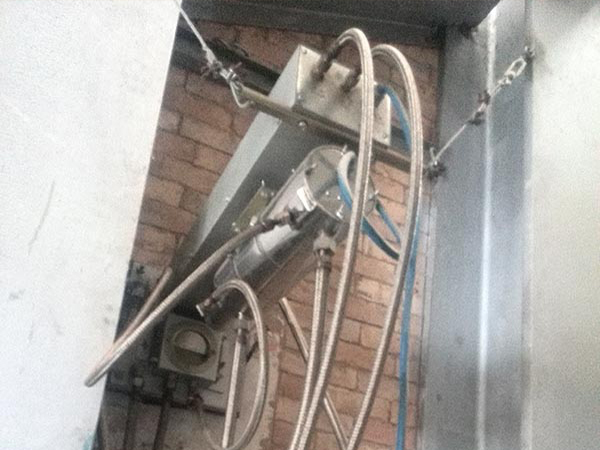
The Cooling & Purging System: The lifeblood of the camera. It uses compressed air (vortex cooling) or industrial water to keep internal electronics below 70°C while creating a positive pressure "air curtain" to repel dust.
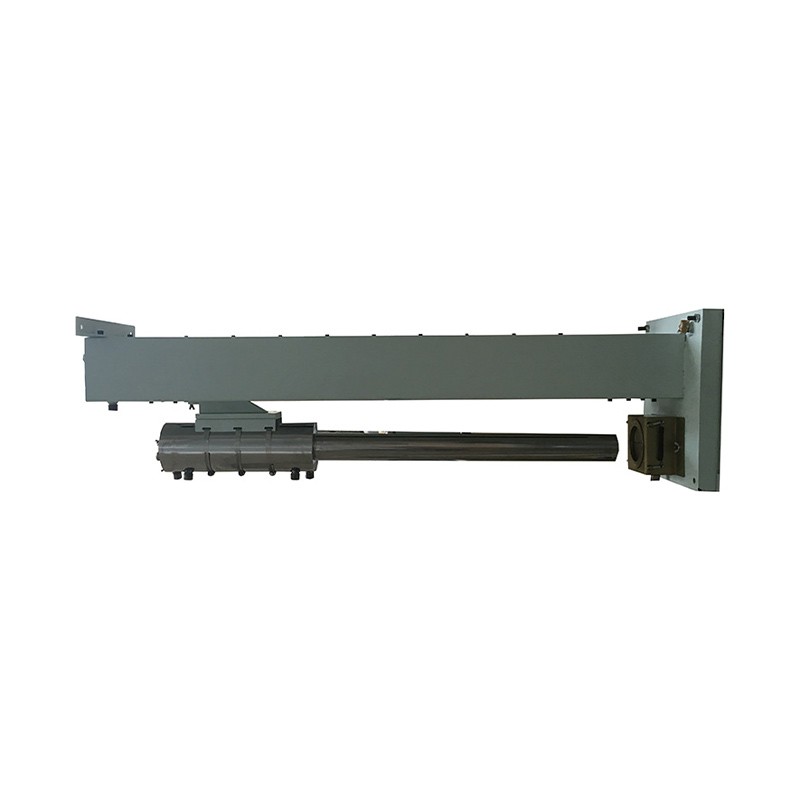
The Automatic Retraction System: A crucial failsafe mechanism. If the plant loses power or cooling air pressure drops, a PLC-controlled pneumatic actuator automatically withdraws the camera probe out of the furnace wall.
The Central Control & Analysis Software: The brain of the operation, located in the control room, which displays video feeds, logs temperature data, and triggers alarms.
2. Visible Light vs. Thermal Imaging: Which Technology Do You Need?
When evaluating furnace camera systems, plant managers must choose between two primary imaging technologies, or opt for a hybrid approach.
Feature | Visible Light CCTV (Flame Watcher) | Thermal Imaging / Infrared Camera |
|---|---|---|
Primary Function | Observe flame shape, material tumbling, glass melt clarity. | Quantify surface temperatures, detect refractory hot spots. |
Limitation | Cannot detect early-stage refractory wear or hidden heat anomalies. | Does not provide true color visual of the combustion flame. |
Best Application | Kiln shell scanners and burning zone observation. | Thermographic monitoring systems for predictive maintenance. |
The Hybrid Advantage: Modern top-tier systems offer Dual-Spectrum (Visible + Thermal) outputs. Operators can view the real-time combustion flame while simultaneously overlaying a thermal heatmap to measure exact temperatures at up to 16 arbitrary points on the screen.
3. Cooling Methods: Air-Cooled vs. Water-Cooled
The choice of cooling method depends heavily on your furnace's wall thickness and ambient operating conditions.
Air-Cooled Systems (Vortex Tube Technology): Uses plant compressed air to generate a vortex, splitting the air into hot and cold streams. Ideal for thinner furnace walls (up to ~500mm), cement kiln hoods, and environments where water leakage could cause explosive steam hazards.
Water-Cooled Systems: Circulates chilled industrial water through a specialized jacket. Ideal for extremely thick furnace walls (e.g., glass melting tanks, metallurgical smelters exceeding 1000mm thickness) where air cooling is insufficient.
4. Key Applications Across Heavy Industries
Different industries require specialized furnace camera systems tailored to their unique chemical and thermal challenges. LuMing Technology Group engineers custom solutions for diverse sectors:
Cement & Lime Rotary Kilns: Used as kiln cameras to monitor the burning zone, optimize the coal flame, and prevent clinker ring formations.
Glass Manufacturing: Water-cooled cameras monitor the glass melt level, bubble patterns, and refractory crown corrosion.
Metallurgy & Steel: High-temperature probes monitor the electric arc furnace (EAF) slag lines and blast furnace stoves.
Petrochemical & Refineries: Heaters and reformers require specialized Explosion-Proof Camera systems (certified to ATEX / IECEx standards) to monitor burner flames safely in hazardous gas zones.
5. How to Choose the Right System for Your Plant
Before requesting a quote from a manufacturer, gather the following technical parameters to ensure you get the correct configuration:
Furnace Wall Thickness: Dictates the required length of the camera probe and the necessary focal length of the lens.
Maximum Internal Temperature: Determines whether you need specialized sapphire lenses or standard high-temp glass.
Viewing Angle Required: Do you need a narrow focus on a single burner, or a wide-angle panoramic view?
Hazardous Area Classification: Is the installation zone explosive? You must specify an explosion-proof housing.
Available Utilities: Check your plant's available compressed air pressure (typically requires >0.3 MPa) or cooling water flow rates.
6. The ROI: Why Furnace Camera Systems Pay for Themselves

Investing in a premium high-temperature furnace camera system is an insurance policy with a rapid Return on Investment (ROI). According to industry case studies, the benefits include:
Avoid Unplanned Downtime: Early detection of refractory wear via thermal imaging allows for planned, targeted maintenance, avoiding losses that can exceed $100,000 per day.
Optimize Fuel Efficiency: Fine-tuning the air-to-fuel ratio by observing flame shape can reduce fuel consumption by 3% to 7%.
Extend Refractory Life: Preventing localized overheating can extend the lifespan of expensive refractory bricks by 20% or more.
Enhance Operator Safety: Removes the need for manual peephole inspections, protecting personnel from extreme radiant heat.
In today's competitive industrial landscape, operating a high-temperature process blind is a risk no plant manager can afford. Whether you need a robust air-cooled kiln camera for a cement plant, a water-cooled thermal imager for a glass furnace, or an explosion-proof camera solution for a refinery, selecting the right integrated system is paramount. By partnering with experts like LuMing Technology Group, you ensure your facility is equipped with state-of-the-art high-temperature monitoring equipment.
Ready to Optimize Your Furnace Operations?
Stop relying on guesswork. Upgrade your plant with LuMing's advanced Furnace Camera Systems and Thermal Imaging Solutions.
Request a Free Consultation & QuoteFAQ
What is an automatic retraction system in a furnace camera?
It is an automated safety mechanism. If the kiln monitoring system detects power failure, air supply loss, or over-temperature, the PLC automatically withdraws the probe from the furnace to prevent melting and damage to sensitive optical components.
Do I need an explosion-proof furnace camera?
If your furnace is located in a hazardous gas zone (such as in petrochemical refineries or specific metallurgical processes), you must use explosion-proof CCTV equipment certified to ATEX or IECEx standards to prevent ignition.
Can thermal imaging cameras measure exact temperatures inside the kiln?
Yes. Advanced infrared thermal imaging systems can measure material surface temperatures with high precision (often ±2%), allowing operators to set specific alarm thresholds for hot spots and refractory wear.
How thick of a furnace wall can these camera probes penetrate?
LuMing engineers custom probe lengths based on your specific furnace wall thickness. Standard air-cooled probes handle walls up to 500mm, while specialized water-cooled jackets can penetrate walls exceeding 1000mm in glass and steel applications.