Main function
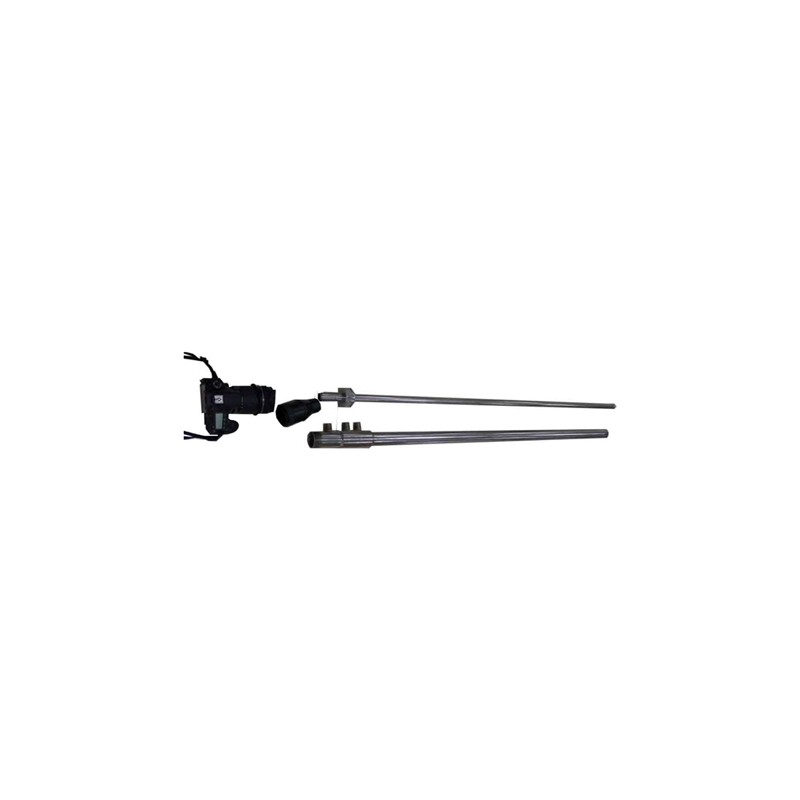
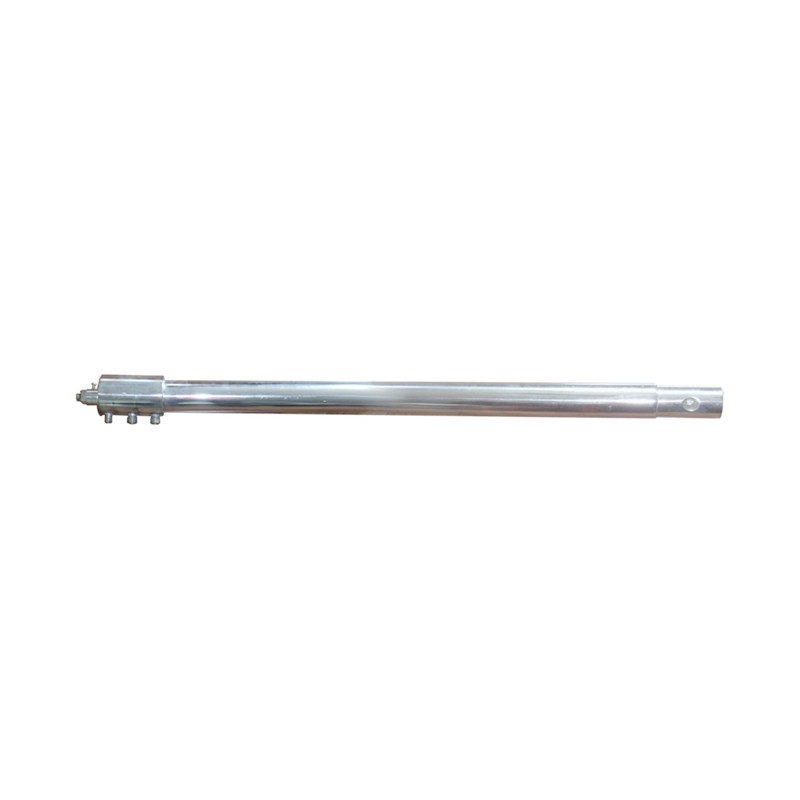
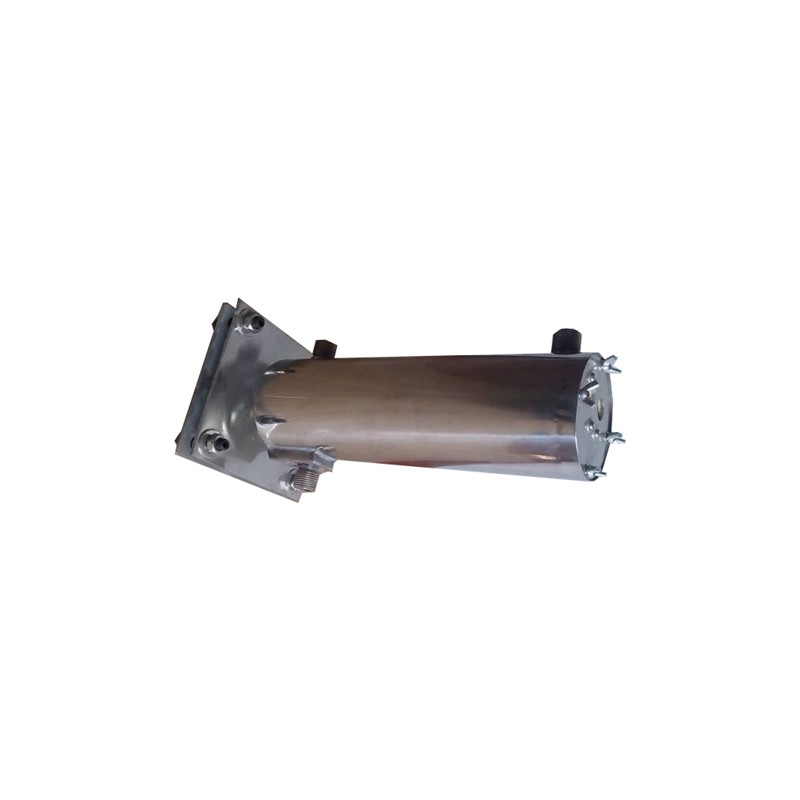
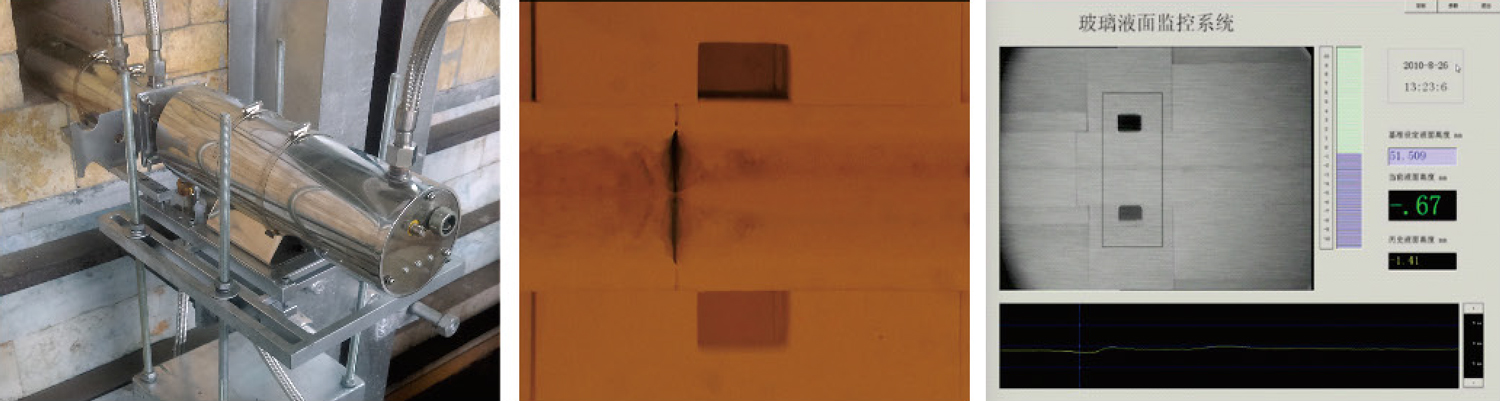
The Image Level Meter Control System uses non-contact measuring techniques, combining machine vision technology with computerized control to precisely measure the relative height of the glass melt level. Specifically engineered for the float glass industry and other glass melter applications, this solution features a high-definition 2.0 million pixel camera for real-time monitoring. The system eliminates mechanical wear with a simple, robust camera cover design. It outputs two 4-20mA signal channels: one controls the batch feeder motor to adjust material flow for ideal glass levels, and the other transmits height data to the DCS system for process analysis and historical data logging. Supporting both automatic and manual modes, it ensures consistent quality and efficiency in glass production.
Product Parameter
Technical parameters | 1. Lens definition: horizontal resolution greater than 2.0 million pixels.
2. Lens variable focusing: F60-F180 continuously adjustable. |
Compressed air | 1. Total intake pipe: G3/4"
2. Connecting pipe: 2-G1/2" (increase stop valve)
3. Inlet pressure: 0.3MPa ~ 0.7MPa
4. Inlet temperature: ≤35°C
5. Minimum flow: 0.3m³/min |
Cooling water | 1. Total intake pipe: G1/2"
2. Connecting pipe: G1/2"
3. Inlet pressure: 0.2MPa ~ 0.5MPa
4. Minimum flow: 30L/min
5. Inlet temperature: ≤35°C |
Working condition temperature | 1. Control box: -20°C ~ 75°C
2. Furnace temperature: ≤1700°C |
Dimension | 1. Device: 800*280*600mm
2. Control box: 300*400*200mm (W*H*T) |
FAQs
A: The Image Level Meter Control System utilizes advanced machine vision technology to perform non-contact Glass Level Measurement in real-time. By capturing high-resolution images with its 2.0 million pixel camera, the system precisely monitors molten glass levels in the melter and delivers data to the DCS system via 4-20mA signal output. This enables automatic control of the batch feeder, reducing manual intervention and ensuring consistent glass quality across float glass and calendering production lines.
A: Yes. This Image Level Meter Control System is engineered for harsh metallurgical environments. The camera assembly features a dual cooling design (air + water cooling) that allows stable operation near furnaces with temperatures up to 1700°C. The optical path is protected by a specialized heat-resistant shield, ensuring long-term accuracy for Glass Level Measurement without frequent maintenance or lens replacement.
A: Integration is straightforward. The Image Level Meter Control System supports standard industrial communication protocols and provides 4-20mA analog output plus RS485 digital interface, making it compatible with most DCS or PLC systems. The software includes historic data analysis and trend visualization tools, allowing operators to optimize Glass Level Measurement strategies and trace production anomalies with ease.
A: In float glass applications, maintaining a stable melt level is critical for thickness uniformity and surface quality. The Image Level Meter Control System provides continuous, real-time feedback to the batch feeder, minimizing level fluctuations. Its non-contact nature prevents contamination of the molten glass—a common issue with mechanical probes—thereby reducing defects and improving the yield of high-quality float glass sheets.
A: The system offers high-precision Glass Level Measurement with a resolution suitable for demanding glass manufacturing processes. The machine vision algorithm processes images rapidly to detect level changes instantly, allowing the control loop to adjust batch feeding promptly. This fast response ensures the glass level remains within the optimal tolerance range, essential for automated production lines.
A: The optical system is designed for durability in harsh environments. The compressed air supply can be utilized to create an air curtain that prevents dust and vapors from settling on the lens. Additionally, the robust cooling system keeps the camera assembly at a safe operating temperature, reducing thermal stress and maintenance intervals compared to standard cameras used in high-heat environments.
User manuals, video tutorials, and on-site training (upon request)